
If your turbo spools erratically or you hear a hissing sound, you might be dealing with a failing wastegate. Recognizing the symptoms of a bad wastegate early can save you from costly engine damage. Most drivers notice the issue when boost pressure drops unexpectedly or the engine surges.
Ignoring these clues can lead to over boost, turbo failure, or even a cracked piston.
Per SAE J1349, a healthy wastegate should open at 15 psi of boost pressure. If your boost gauge stays flat or spikes above 20 psi, the valve is likely stuck. Below we break down what to watch for and how to confirm the fault.
Let's start with the key signs you should notice.
Symptoms of a Bad Wastegate
Symptoms of a bad wastegate include loss of boost pressure. The engine may surge, stall, or run rough under load. You might hear a hissing or whistling noise from the exhaust.
Boost gauge shows no rise when you accelerate quickly. If left unchecked, the turbo can overheat and fail.
How It Works & What to Look For
The wastegate is a spring‑loaded valve that releases excess boost once pressure reaches a set point. It protects the turbocharger and engine from destructive over boost. When the valve sticks open or closed, boost pressure becomes erratic.
- Wastegate valve, stainless steel, 15 psi opening pressure
- Diaphragm, rubber, 0.5 mm thickness, prone to cracking
- Actuator spring, calibrated to 0.5 N/mm preload
- Solenoid (if electronic), 2 to 4 ohms resistance
| Component | Typical Spec | Common Failure Sign |
|---|---|---|
| Valve body | 15 psi open | No boost rise |
| Diaphragm | 0.5 mm thick | Cracks, leaks |
| Spring | 0.5 N/mm preload | Stuck closed |
| Solenoid | 2‑4 Ω | No response, error code |
Most failures show up as a loss of power, a whining turbo, or a check engine light. If you see a P0244 or P0245 code, the wastegate circuit is likely at fault.
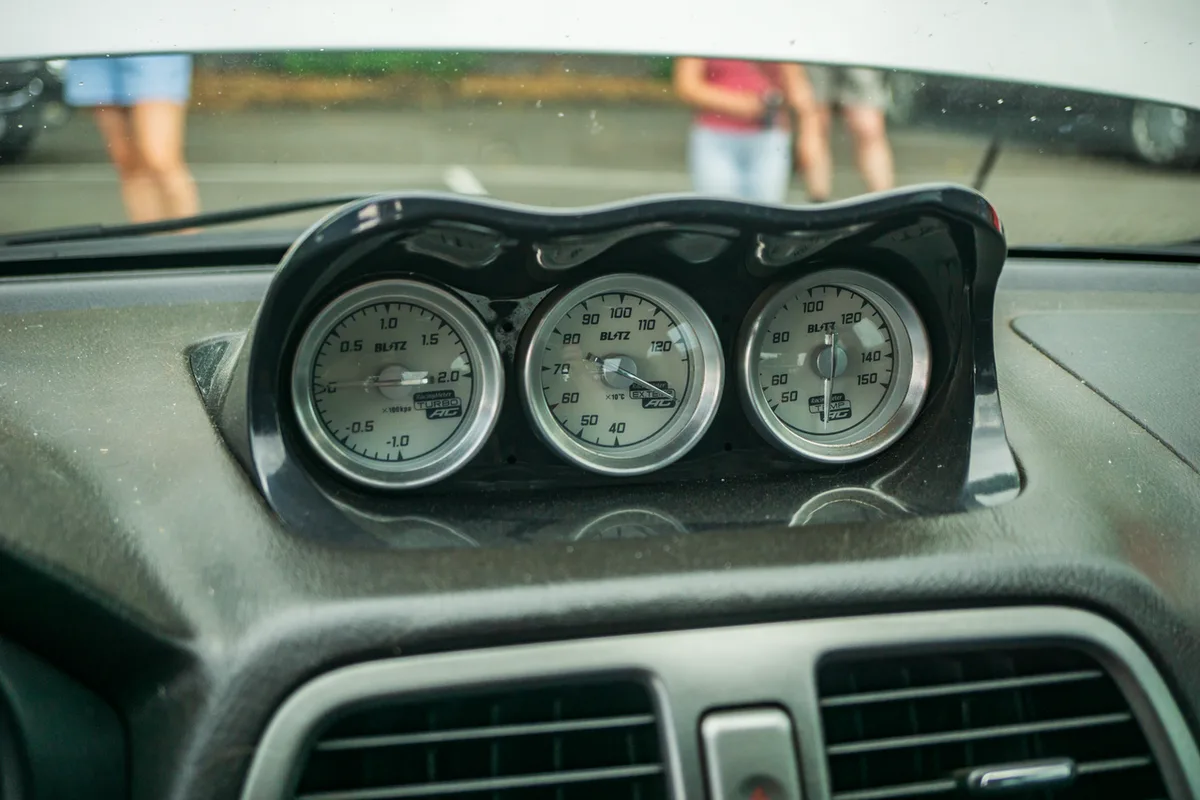
Image source: Wikimedia Commons / Indie102
Step-by-Step Diagnosis & Fix
- Verify boost pressure with a gauge while the engine runs at 2000 rpm.
- Scan for OBD‑II codes and note any wastegate related DTCs.
3* Inspect the diaphragm for cracks, tears, or carbon buildup.
4* Test the solenoid resistance with a multimeter; replace if out of range.
5* Apply 15 psi of air to the actuator port; it should open smoothly.
If the valve sticks, clean the housing with brake cleaner and re‑install. For a mechanical spring wastegate, adjust the preload only if the spring is adjustable. After replacement, clear codes and perform a boost leak test.
Risks, Safety & When to Get Help
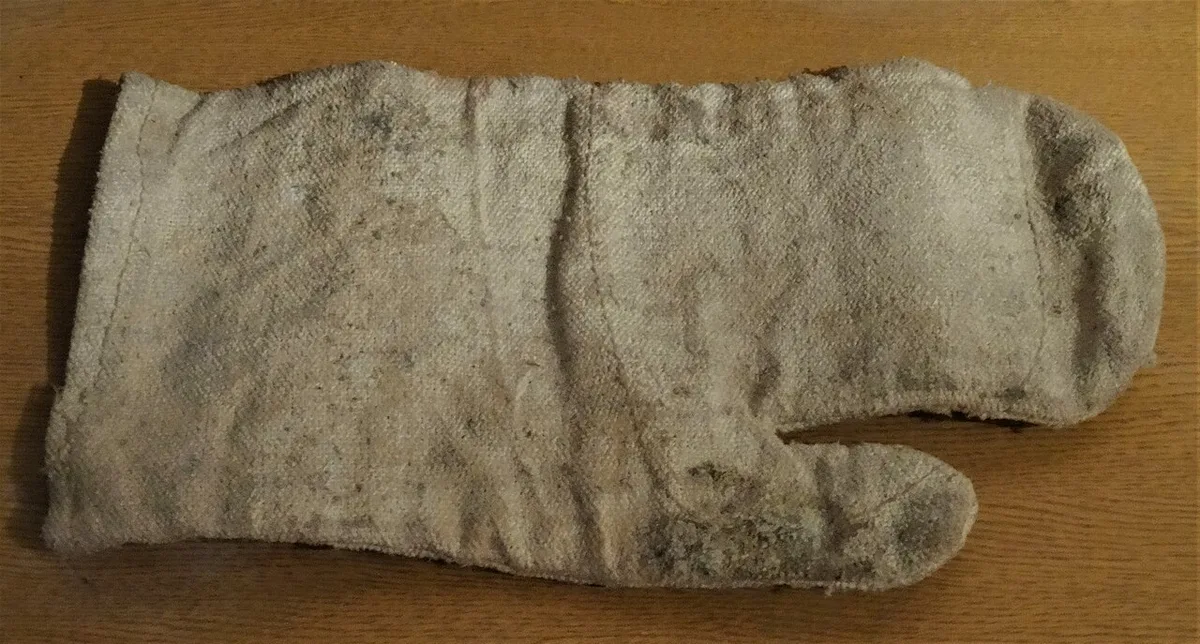
Image source: Wikimedia Commons / LukaszKatlewa (CC BY)
- Never work on a hot exhaust; let it cool for at least 30 minutes.
- Wear heat‑resistant gloves and eye protection when near the turbo.
- If you encounter a cracked piston or severe oil leak, stop and call a professional.
- Working on electronic solenoids requires careful handling of the wiring harness.
If you are unsure about any step, a qualified mechanic can verify the fault and replace the assembly.
Final Verdict & FAQs
Regular checks keep boost pressure stable and protect the turbocharger. Replace the wastegate when the diaphragm is cracked or the spring is worn. After replacement, clear codes and verify pressure with a scan tool.
What are the most common wastegate failure signs?
Loss of boost, engine surging, a hissing noise, and a check engine light are the primary signs. Ignoring them can lead to turbo damage and reduced performance.
How do I test a wastegate actuator?
Apply 15 psi of air to the actuator port; the valve should open fully within two seconds. If it stays closed or opens too early, the actuator is faulty.
When should I replace the wastegate instead of repairing?
Replace it if the diaphragm is torn, the spring is bent, or the solenoid reads out of spec. Minor carbon buildup can be cleaned, but a damaged valve requires replacement.
Can a bad wastegate cause engine damage?
Yes, uncontrolled over boost can crack pistons, blow head gaskets, or damage the turbocharger. Early diagnosis prevents costly repairs.
