
A bad water pump often shows up as sudden engine overheating. You may hear a grinding or rattling noise from the front of the engine. Coolant can leak from the pump seal or gasket.
The temperature gauge climbs past 240 °F and the radiator stays hot to the touch.
In our research, a healthy pump should flow at least 30 GPM at 2,500 RPM per SAE J543. If you notice any of the above signs, address them before the engine suffers damage. This guide walks you through diagnosis, replacement, and cost considerations.
Symptoms of a Bad Water Pump
A bad water pump causes engine overheating. You may hear a grinding or rattling noise. Coolant may leak from the pump seal.
The temperature gauge climbs past 240 °F.
How the Water Pump Works & Why It Matters
The water pump circulates coolant between the engine block, radiator, and heater core. It is driven by the crankshaft belt or an electric motor on many modern models. Proper flow keeps engine temperature in the 190‑210 °F range.
Image source: Wikimedia Commons / NASA
Key components include the impeller, pulley, belt, and seal. The impeller spins to push coolant through the system. The belt must stay taut; a loose belt reduces flow and can cause noise.
Refer to SAE standards for exact flow and pressure specifications.
| Component | Function | Typical Material |
|---|---|---|
| Impeller | Moves coolant | Plastic or steel |
| Pulley | Drives belt | Aluminum or steel |
| Seal | Prevents leaks | Rubber or PTFE |
| Belt | Transmits power | V‑belt or serpentine |
Understanding these parts helps you spot which component fails. If the impeller is worn, coolant flow drops and the engine overheats. A cracked seal lets coolant escape, leading to low levels and high temps.
Diagnosis & Replacement Process
Start with a visual check of the belt, pulley, and coolant level. Look for cracks, glazing, or missing tension on the belt. Check for leaks around the pump housing and radiator.
Next, perform a pressure test using a 0‑30 psi gauge. Connect the gauge to the radiator cap opening and start the engine. A reading below 13 psi indicates insufficient flow.
If the pump fails the pressure test, replace it. Remove the old pump with a socket set and clean the mounting surface. Install the new pump, torque the bolts to the manufacturer’s spec, and refill coolant.
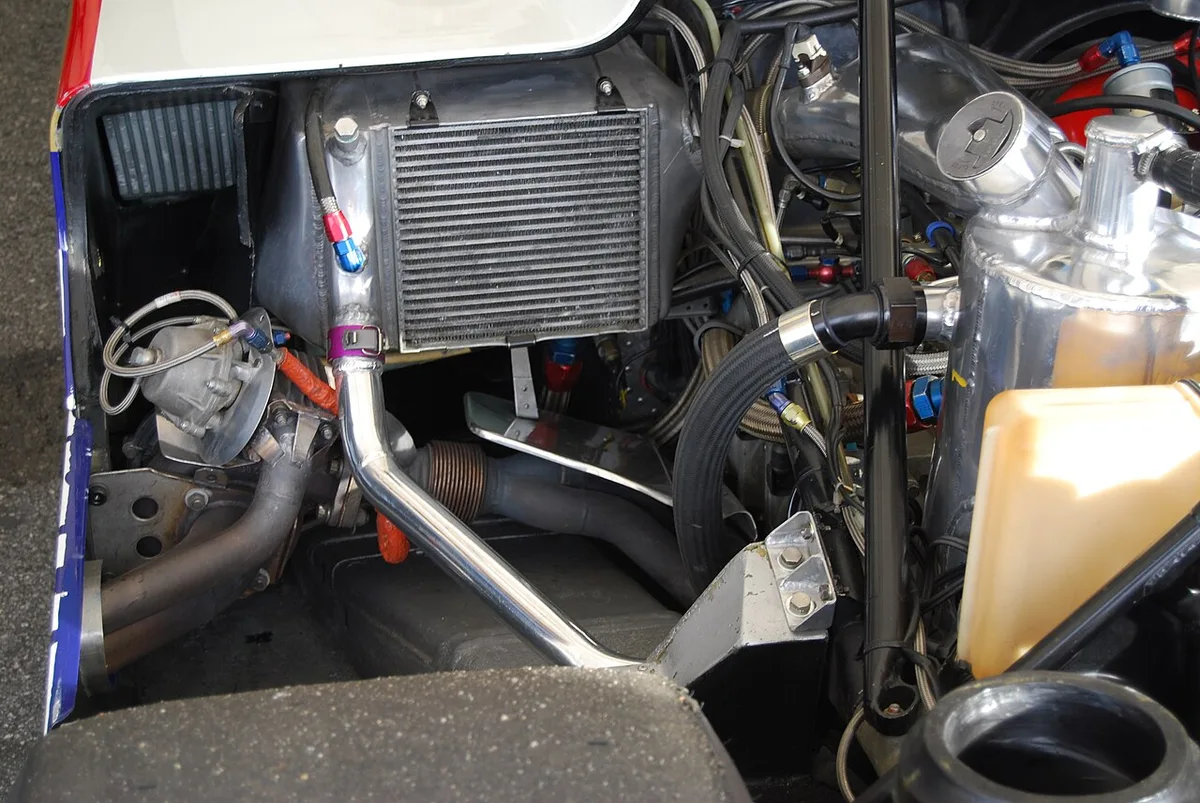
Image source: Wikimedia Commons / Bill Abbott (CC BY-SA)
Use a torque wrench to achieve the correct bolt torque; over‑tightening can damage the seal. After installation, run the engine and watch for leaks. Verify the temperature gauge stays in the normal range.
Costs, Benefits & Mistakes to Avoid
Replacement typically costs $150‑$400 for parts and $100‑$200 for labor. Budget for parts and plan for a coolant flush to prevent contamination.
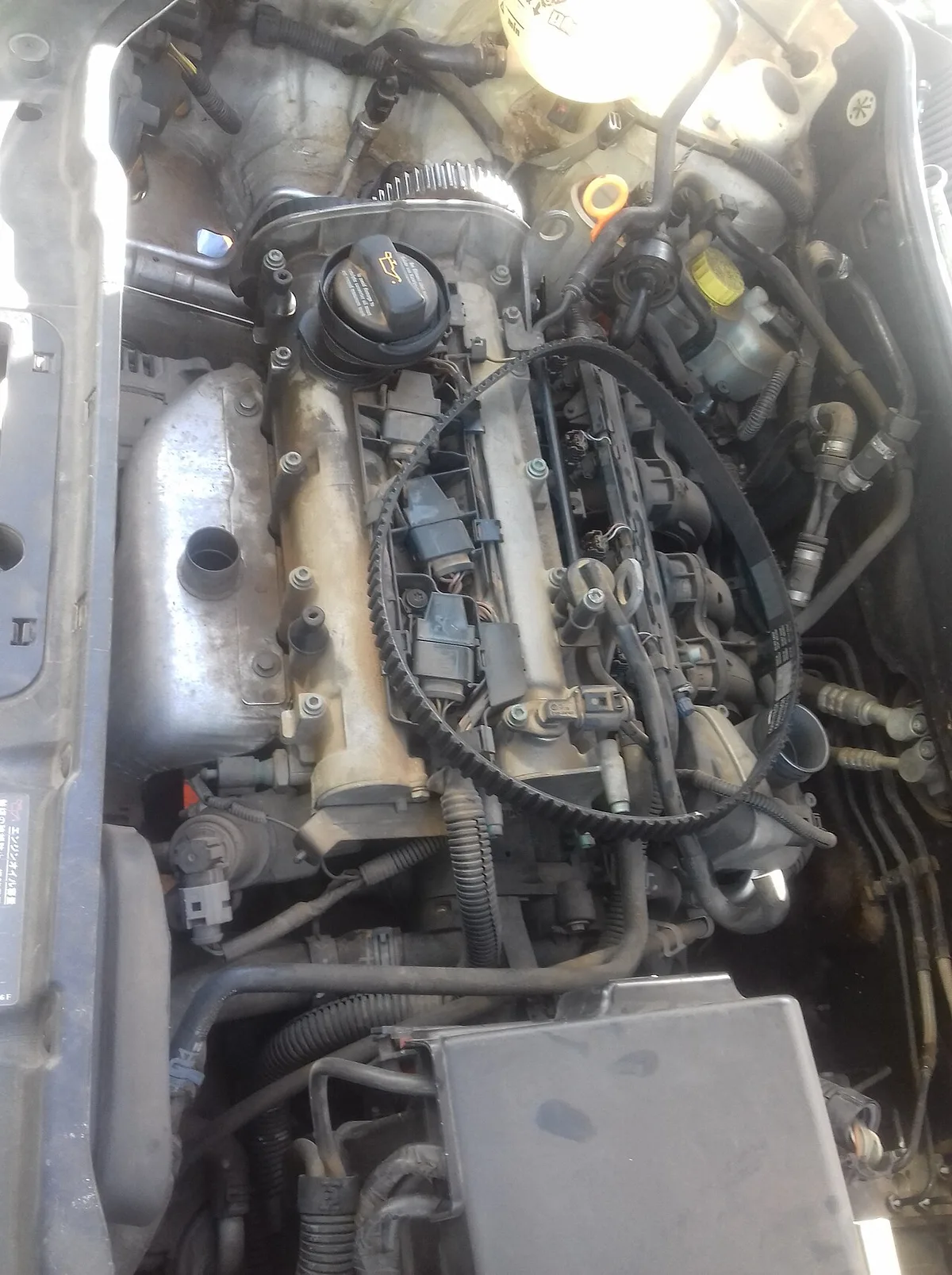
Image source: Wikimedia Commons / Maxmaino (CC BY-SA)
Benefits of timely replacement include restored cooling, prevented head‑gasket failure, and better fuel efficiency. Common mistakes are reusing the old gasket, ignoring belt tension, and skipping the coolant flush.
| Item | Typical Cost |
|---|---|
| New water pump | $120‑$250 |
| Coolant flush | $30‑$60 |
| Labor (2 hrs) | $100‑$200 |
| Total | $250‑$510 |
Skipping the flush can leave debris that wears the new pump quickly. Reusing the old gasket often leads to leaks and repeat work.
Frequently Asked Questions
Can a noisy water pump be fixed?
A noisy pump usually indicates worn bearings or a failing seal. Repair is rarely cost‑effective; replacement is the reliable fix.
How often should I replace the pump?
Most manufacturers recommend replacement at 60‑100 k miles or when symptoms appear. Severe conditions, such as frequent stop‑and‑go driving, may shorten that interval.
What coolant type is best for my vehicle?
Use the OEM‑specified ethylene glycol or propylene glycol mix. Mixing types can reduce corrosion protection and affect freeze point.
Do I need to replace the timing belt when changing the water pump?
If the pump shares the timing belt, replace the belt at the same service to avoid future failure. Otherwise, the belt can remain if it meets tension specs.
Is it safe to drive with a leaking water pump?
Driving with a leak risks rapid coolant loss and engine overheating. Stop safely, add coolant if possible, and arrange repair promptly.
— After the new pump is fitted, run the engine and confirm the temperature gauge remains steady. For more guidance, see our tips on topping up transmission fluid, changing transmission fluid filter, using an impact wrench, installing a light bar, and building wooden ramps, and, as of 2026, keep the cooling system serviced to avoid costly engine damage down the road.
