
A bad wheel bearing can turn a smooth ride into a dangerous wobble. The first clue is a low, constant whine that grows louder with speed. You may also feel vibration through the steering wheel or floorboards.
If the bearing gets hot, the hub can seize and cause a sudden loss of control.
Per SAE J2244, axial play beyond 0.005 in signals wear that needs replacement. Aggregate owner reports show the average mileage at failure is 78,000 mi as of 2026. Below is a concise rundown of the key signs to watch for, followed by a step‑by‑step check you can do yourself.
Symptoms of a Bad Wheel Bearing
A bad wheel bearing produces a low, constant whine. Vibration increases with speed and load. Axial play exceeds 0.005 in when checked.
Temperature rises above 150 °C during use.
Problem, Explanation, and How It Works
Why It Matters
A failing bearing creates excess heat and metal debris. The heat can warp the rotor and damage the ABS sensor. Ignoring the noise often leads to a sudden loss of steering control.
How Bearing Wear Creates Noise
The cage inside the bearing can lose lubrication and grind against the races. This produces a metallic whine that rises with vehicle speed. The sound is usually most audible when the wheel is turning but the car is stationary.
What Axial Play Means
Axial play is the amount the bearing moves forward and backward on the axle. A healthy bearing shows less than 0.005 in of movement. Measuring it with a dial indicator confirms wear before you remove the hub.
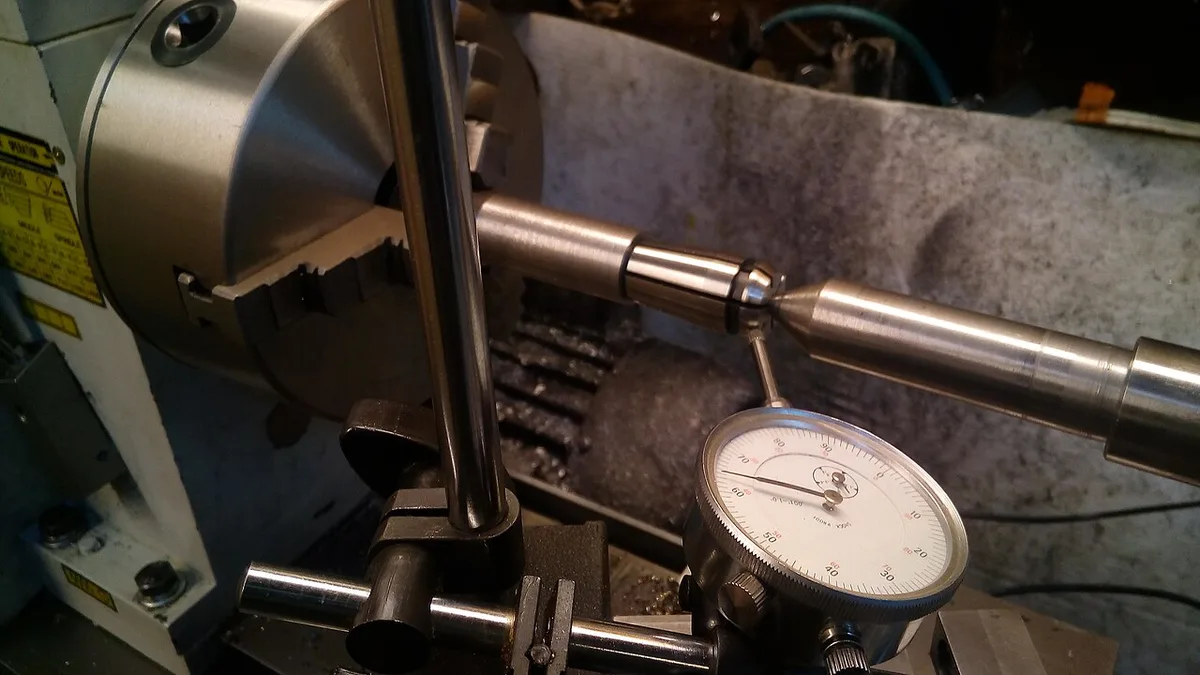
Image source: Wikimedia Commons / David English (CC BY-SA)
Step-by-Step Process
| Item | Purpose |
|---|---|
| Dial indicator | Measure axial play |
| Torque wrench | Apply correct hub nut torque |
| Stethoscope or ear | Listen for bearing whine |
| Jack and jack stands | Safely lift the vehicle |
| Bearing press | Remove and install new bearing |
Park on a flat surface and engage the parking brake. Loosen the lug nuts with an impact wrench.
A good impact wrench makes tightening lug nuts fast.Jack the car and support it on jack stands. Remove the wheel and expose the hub.
Attach a dial indicator to the axle and measure axial play. If it exceeds 0.005 in, the bearing is worn.
Spin the hub by hand. Listen for a low whine and feel for roughness.
If the bearing is noisy, remove the hub using a bearing press. Install a new OEM or aftermarket unit.
When you need new bearings, compare OEM to aftermarket units before ordering.Reinstall the hub, torque the bearing nut to 90 ft‑lb, and reinstall the wheel. Lower the car and tighten lug nuts to manufacturer spec.
Tighten the lug nuts properly to avoid wheel wobble.
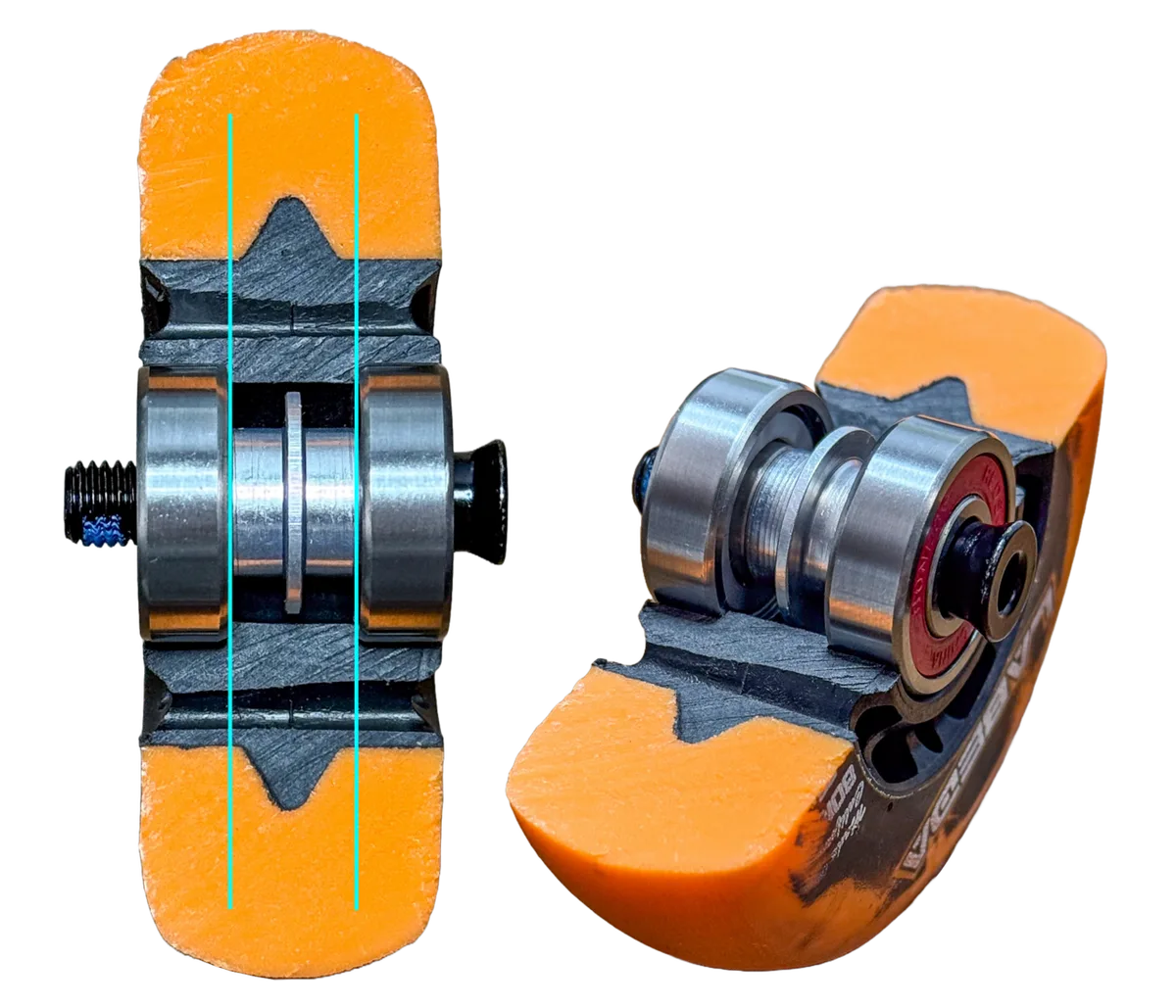
Image source: Wikimedia Commons / Fred Hsu on en.wikipedia (CC BY-SA)
Safety and Compliance
Wear safety glasses and gloves when working near the drivetrain. Keep the area clear of debris to avoid accidental ingestion of metal shards. After replacement, verify the hub nut torque with a calibrated wrench.
Per DOT Federal Motor Vehicle Safety Standard 105, a loose hub can cause wheel detachment. For detailed guidance, see NHTSA wheel hub safety. If you’re unsure about any step, have a certified technician finish the job.
Frequently Asked Questions
How often should a wheel bearing be replaced?
Replace it when axial play exceeds 0.005 in, noise is constant, or temperature exceeds 150 °C. Most bearings last 60,000, 100,000 mi with proper lubrication.
Can a bad bearing mimic tire imbalance?
Yes. Both can cause vibration at speed. Measuring axial play distinguishes bearing wear from tire issues.
What are the cost ranges for OEM versus aftermarket bearings?
OEM units typically cost $180, $250. Aftermarket options range from $120, $200, depending on brand and load rating.
How does cold weather affect bearing diagnosis?
Cold temperatures can stiffen grease, reducing noise temporarily. Warm the vehicle to operating temperature before final checks.
When should I seek professional help?
If you lack a dial indicator, bearing press, or feel unsafe removing the hub, a professional can perform the inspection and replacement safely.
