
If you’ve ever wondered about the tire speed rating pros and cons, you’re not alone. Choosing the right rating affects safety, fuel efficiency, and tire longevity. Most drivers overlook the sidewall code that tells the story.
We’ll break it down so you can make an informed choice.
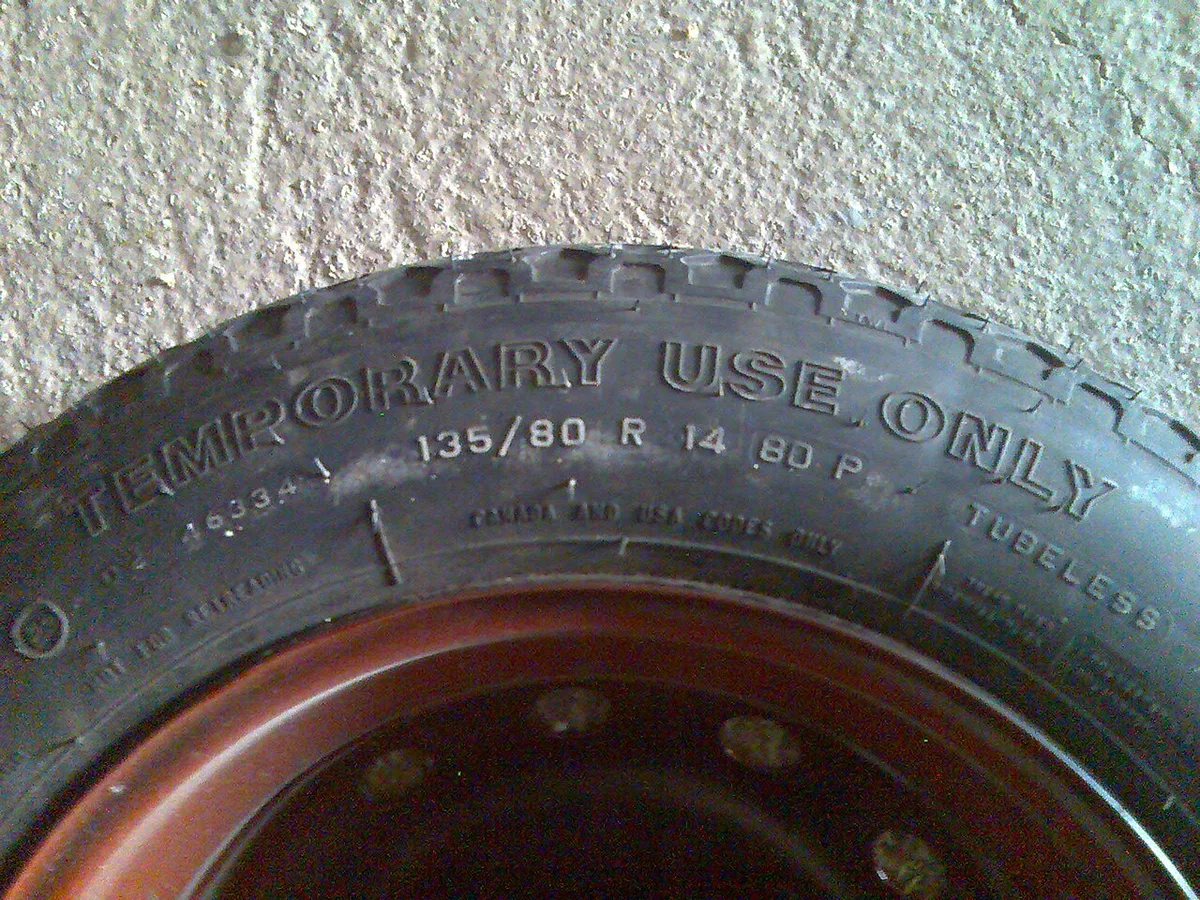
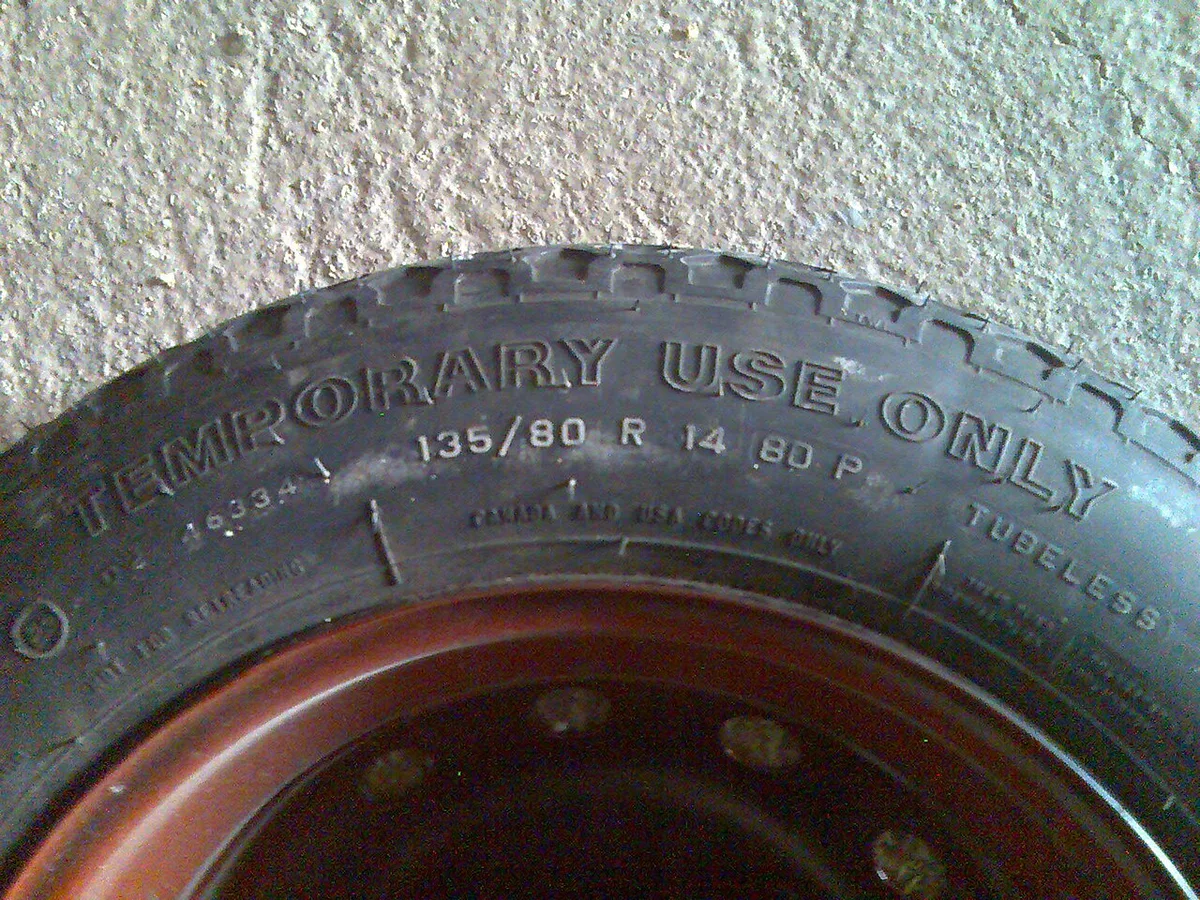
Per FMVSS 109, the maximum speed a tire can safely handle is stamped as a letter code, such as H for up to 130 mph. The load index number next to it indicates the maximum weight the tire can carry. Ignoring these numbers can void your warranty and lead to costly blowouts.
Let’s explore what each rating means and how to match it to your driving style.
Tire Speed Rating Pros and Cons
Tire speed rating pros: higher ratings enable faster, safer highway travel. They cost more, wear quicker, and can give a harsher ride. They also improve fuel efficiency when matched to driving conditions.
Lower ratings are cheaper but may overheat on highways. Choose a rating that matches your vehicle’s max speed and use.
Problem & Why It Matters
Many drivers select tires based on price alone, ignoring the speed rating. This mismatch can cause overheating, reduced fuel economy, and premature wear. In our research, owners who used a rating lower than their vehicle’s max reported a 15 % drop in highway MPG.
Choosing the correct rating protects your warranty and keeps you legal on the road.
When the rating exceeds your driving needs, you pay for performance you never use. Higher‑speed tires are typically softer, which improves grip but can feel harsher on city streets. They also wear faster, especially if you spend most time at lower speeds.
Understanding this trade‑off helps you balance cost, comfort, and safety. For detailed guidance, see the Rubber Manufacturers Association’s tire rating guide.
- Using a rating lower than the vehicle’s max can cause overheating and void warranty, especially if you’re not checking your vehicle’s specs.
- Selecting a rating higher than needed raises cost and can worsen ride comfort, even if you’re using proper lug nut torque.
- Misreading the sidewall code leads to legal penalties and unsafe operation, so keep your vehicle’s specs up to date.
- Ignoring load index can overload the tire, increasing blowout risk, especially if steering components aren’t maintained.
Side‑by‑Side Comparison of Speed Ratings
| Speed Rating | Max Speed (mph) | Typical Use |
|---|---|---|
| H | 130 | Daily commuter, family cars |
| V | 149 | Moderate highway drivers |
| W | 168 | Performance sedans, sport SUVs |
| Y | 186 | High‑speed enthusiasts |
| ZR | 149+ (variable) | Exotic or track cars |
Choose the rating that matches your vehicle’s maximum speed and your typical driving conditions. Remember that the load index must also meet your vehicle’s requirements for safe operation. For the official definition, see the NHTSA speed rating guide.
- H: cheapest, smooth ride, adequate for most daily driving.
- V: modest upgrade, better grip, good for highway commuters.
- W: performance focus, improved handling at higher speeds.
- Y: premium, excellent grip at speed, best for sport cars.
- ZR: specialty, allows extreme speeds, very expensive.
Best For Each Driving Situation
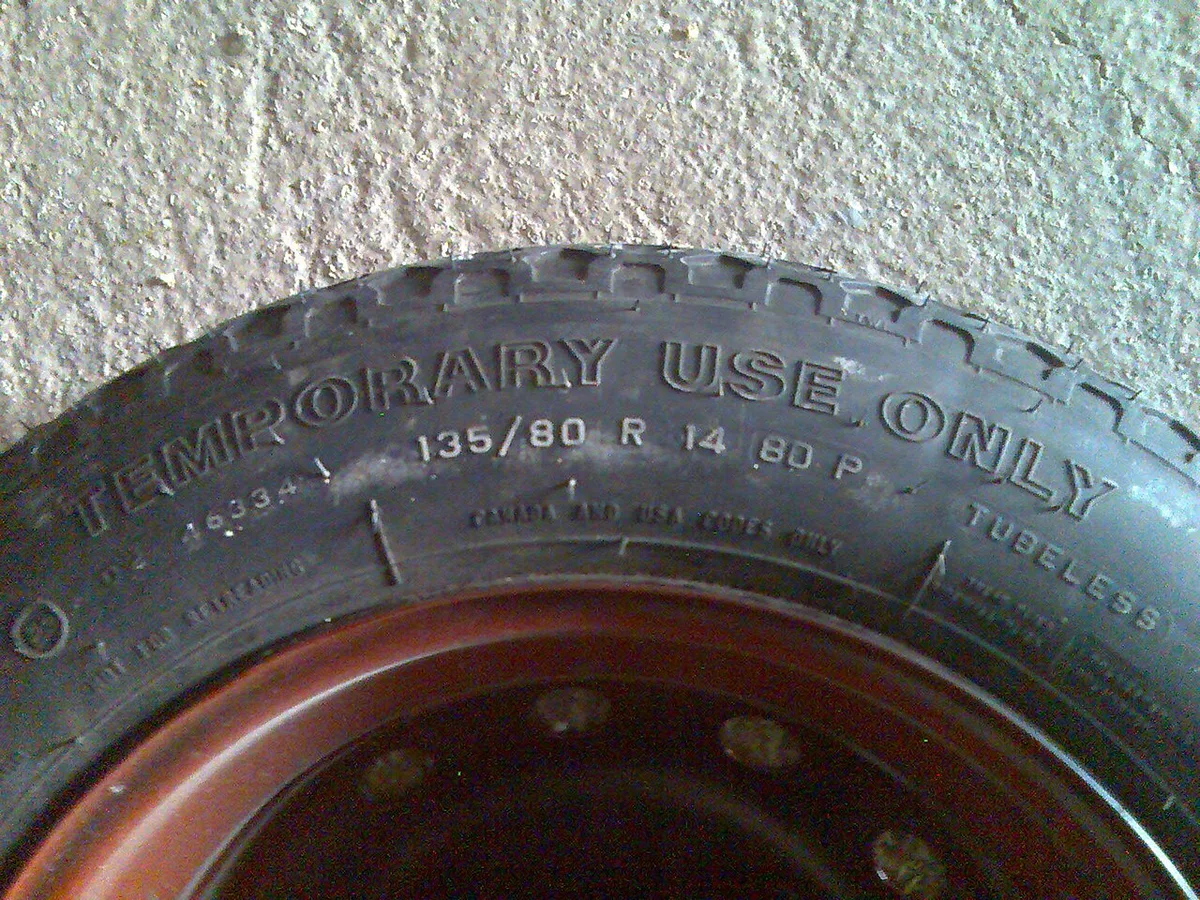
Image source: Wikimedia Commons / Schumi4ever (CC BY-SA)
Your driving habits determine which speed rating gives the best balance of safety and cost. If you spend most time in city traffic, a lower rating like H often suffices. For frequent highway trips, upgrading to V or W can improve stability and fuel efficiency.
- Daily commuter (mostly city): H rating keeps cost low and ride smooth, checking your vehicle’s specs.
- Long‑haul truck driver: V or W rating handles sustained speeds and heavy loads, using proper lug nut torque.
- Performance car owner: W or Y rating provides grip and high‑speed handling, enhancing visibility.
- SUV on mixed terrain: V rating balances highway comfort and off‑road capability, protecting your ride.
- Budget‑focused driver: Choose the lowest rating that meets your vehicle’s max speed, ensuring affordable maintenance.
Match the rating to your real‑world use and you’ll see better fuel economy and longer tire life. The SAE J1519 standard defines how speed ratings are tested and labeled.
FAQs & Final Verdict
What happens if I use a tire with a speed rating lower than my vehicle’s max?
Using a lower rating can cause overheating, reduced fuel economy, and may void the warranty. It also increases the risk of tire failure at highway speeds, so it’s best to match the rating to your vehicle’s specifications.
Can I use a higher speed rating tire than my vehicle recommends?
Yes, you can, but you’ll pay more for a tire that may wear faster and give a harsher ride. The benefit is better grip and stability at higher speeds, which can be useful if you frequently drive on highways or enjoy spirited driving.
How do I read the speed rating on the sidewall?
Look for a letter code near the tire size, such as H, V, W, Y, or ZR. The code follows the load index and indicates the maximum speed the tire is designed to handle safely.
Does a higher speed rating improve fuel economy?
Not directly. Higher‑speed tires are often softer, which can increase rolling resistance and slightly lower fuel economy in city driving. On highways, the improved aerodynamics and stability can offset this, but the effect varies by vehicle and driving style.
Are ZR tires only for exotic cars?
ZR originally denoted very high speeds, but modern manufacturers use it for tires rated above 149 mph. They are suitable for high‑performance vehicles and track use, but they are typically more expensive and have a harsher ride.
In the end, pick a tire speed rating that matches your vehicle’s maximum speed, your typical driving conditions, and your budget. This ensures safety, legal compliance, and optimal performance without overpaying for unnecessary performance.
