
If your engine suddenly quits while you're cruising down the highway, you're dealing with what causes a car to cut out while driving. The problem often stems from fuel delivery, ignition, or electrical failures. Our research shows that ignoring early warning signs can lead to costly repairs.
Below is a step‑by‑step decision tree to pinpoint the cause.
Per SAE J1349 testing, a fuel pump should maintain 30‑80 psi at idle. This specification helps you judge whether the pump is weak when the engine cuts out. We'll walk through the most common culprits and how to test each one.
Start with the quick answer to the exact query.
What Causes a Car to Cut Out While Driving
What causes a car to cut out while driving is usually fuel delivery failure. A weak fuel pump drops pressure below the 30‑80 psi range. Ignition faults, such as bad spark plugs, can also stop the engine.
Electrical issues like a failing alternator may cause sudden loss of power.
Problem & Quick Diagnosis
Identify the Cut‑Out Pattern
Notice whether the engine dies at idle, under load, or after a cold start. A pattern that repeats at highway speeds points to fuel pressure loss. If the car stalls only when you turn the steering wheel at low speed, vacuum leaks are likely.
Dashboard Warning Lights to Check
The check engine light often illuminates before a cut‑out. A battery warning can signal charging system failure. Referencing a scan tool will reveal stored Diagnostic Trouble Codes.
Use a scan tool to read codes, then compare them against manufacturer specifications. For example, code P0171 indicates a lean condition that may cause stalling.
How the Engine Cuts Out (Core Explanation)
Fuel Delivery Failure
A failing fuel pump cannot maintain the required pressure.
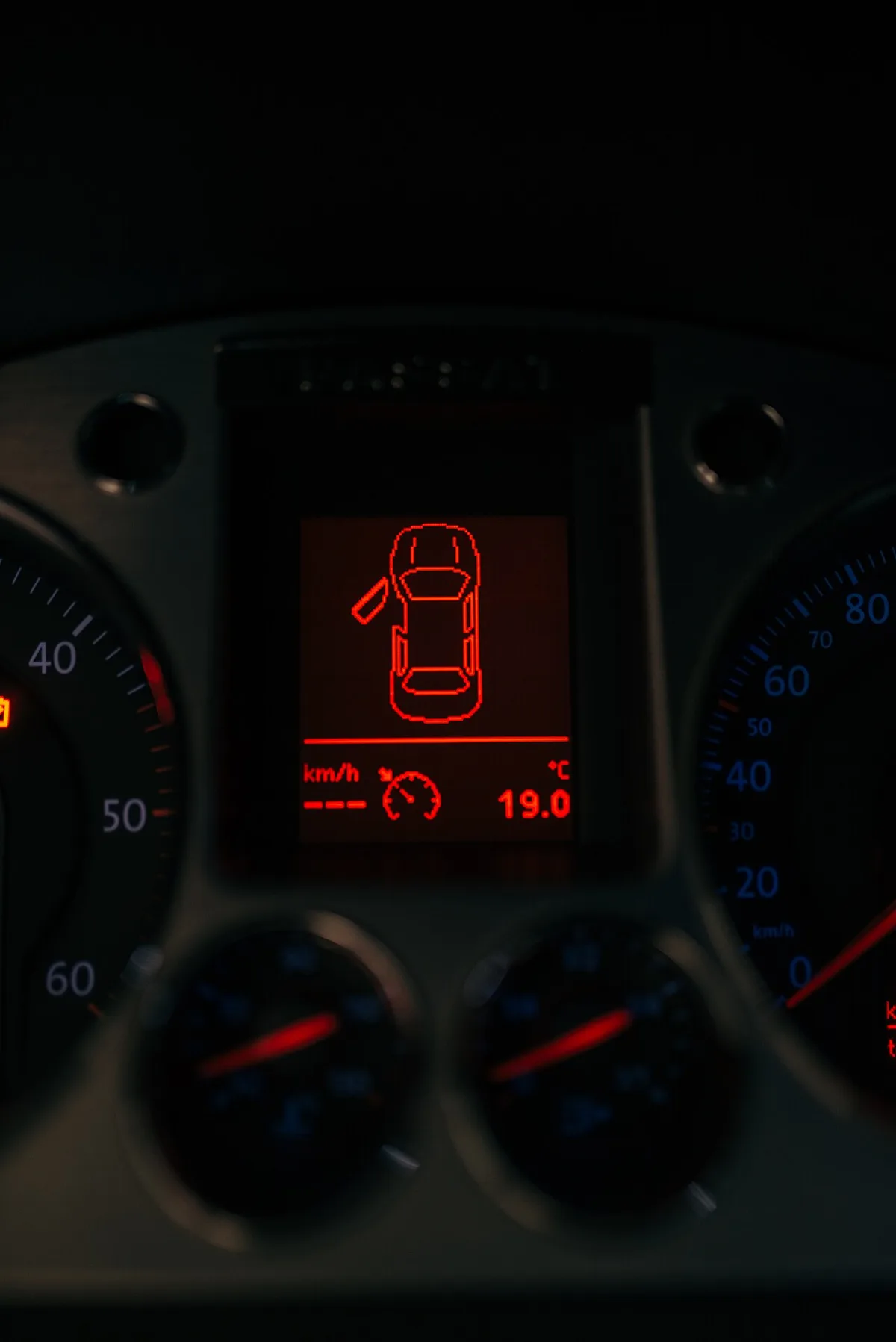
Image source: Wikimedia Commons / Shixart1985 (CC BY)
When pressure drops, the engine receives insufficient fuel and quits. A weak pump also produces a quiet whine that stops before the engine dies.
Ignition System Issues
Bad spark plugs or a faulty ignition coil interrupt the spark.
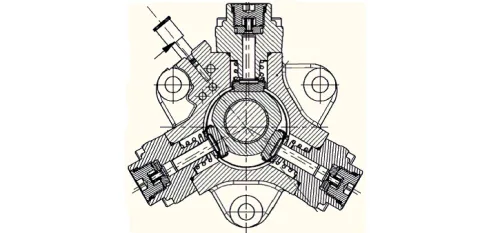
Image source: Wikimedia Commons / Beef1980! (CC BY-SA)
Without spark, combustion stops and the engine cuts out instantly.
Battery & Charging Problems
A dead battery or failing alternator reduces voltage to the fuel pump and ECU. Low voltage can cause the pump to stall or the ECU to reset.
Vacuum/Intake Leaks
A cracked intake manifold or loose PCV hose creates unmetered air. The ECU compensates, but the mixture can become too lean and cause a cut‑out.
Decision‑Tree Diagnostic Process
| Step | What to Check | Test | Expected Result |
|---|---|---|---|
| 1 | Dashboard lights, battery voltage | Multimeter | Voltage 12.6‑14.2 V |
| 2 | Fuel pump whine, pressure gauge | Fuel pressure gauge | 30‑80 psi at idle |
| 3 | Spark plug condition | Visual inspection | Clean, properly gapped |
| 4 | Vacuum lines, intake gasket | Smoke test | No leaks detected |
Step 1: Verify Power & Battery
Check battery voltage with the engine off and running. A reading below 12.6 V at rest indicates a weak battery.
Step 2: Scan for DTCs
Connect a scan tool and record any codes. Look for fuel‑related or ignition‑related DTCs.
Step 3: Test Fuel Pressure
Attach a fuel pressure gauge to the rail. Compare the reading to the SAE J1349 specification.
Step 4: Check Ignition Components
Remove a spark plug and inspect it. Replace if fouled or worn.
Step 5: Inspect Vacuum/Intake
Visually examine hoses and the intake gasket. Use a smoke machine to locate hidden leaks.
Step 6: Road‑Test Confirmation
After repairs, drive the car at various speeds. Confirm the engine no longer cuts out.
Mistakes to Avoid & Safety Tips
Ignoring Subtle Symptoms
A brief stumble may precede a full cut‑out.
Skipping the Scan Tool
Relying only on visual checks can miss hidden faults.
Working on a Hot Engine
Never test fuel pressure on a hot engine; pressure spikes can cause injury.
Using Aftermarket Parts Without Matching Specs
An aftermarket pump with different flow rates can cause pressure issues.
Always disconnect the battery before working on electrical components. Wear safety glasses when testing fuel systems.
FAQs & Final Verdict
“Can I drive after a cut‑out?”
If the engine stalls, pull over safely and turn off the ignition. Do not continue driving until the cause is identified.
“How much does a fuel pump replacement cost?”
Aggregate reviews report a typical replacement cost of $150‑$400 for parts and labor.
“When should I call a professional?”
If you lack a scan tool, multimeter, or feel unsafe testing fuel pressure, seek a certified technician.
For authoritative data on recall trends, see NHTSA recall data.
— Following the decision tree will pinpoint the exact cause and prevent repeat stalls. Always verify that replacement parts match the original specifications to avoid pressure or voltage mismatches. Keep a scan tool handy for future checks, and seek a certified technician if a fault code persists or you feel unsafe.
Safe driving and reliable repairs.
