
What causes a car to flicker the headlights at idle is often a voltage drop at the alternator or battery. The flicker can be subtle or severe, and it usually shows up when the engine runs at a steady idle. If the voltage falls below 13.5 V, the headlight circuit loses enough power to dim or pulse noticeably during idle operation.
Let’s check the most common culprits and how to confirm them in your vehicle.
Per SAE J1285, the alternator should deliver 30‑70 A at idle, keeping voltage steady for most modern vehicles. When the regulator fails, voltage can dip to 12 V or lower, causing the flicker. A loose ground or corroded connector adds resistance, dropping voltage each time the headlight cycles.
We’ll walk through a step‑by‑step test to pinpoint the exact cause.
What Causes a Car to Flicker the Headlights at Idle
At idle, the alternator may drop below 30 A output. A failing voltage regulator can let voltage fall under 13 V. Corroded ground connections add resistance, causing the flicker.
Worn alternator brushes reduce current, lowering headlight brightness. A weak battery at idle also contributes to the pulse.
Problem & Quick Diagnosis
Spotting the flicker pattern helps narrow the cause before you start probing. If the light pulses in sync with the engine’s idle surge, suspect the regulator. If it dims only when you turn on accessories, the alternator may be weak.
- Measure battery voltage with a multimeter while the engine idles.
- Record the reading; compare to the 13.5‑14.5 V range per SAE J1285.
- If voltage is low, disconnect the alternator and recheck to isolate the source.
- Inspect the voltage regulator for corrosion or worn brushes.
- Check ground connections for looseness or corrosion.
For most DIYers, a multimeter and a basic socket set are enough. Checking a price reference for a new bulb can help budget the repair. If you prefer a hands‑off approach, a local shop can run the same tests for about $50‑$80 as of 2026.
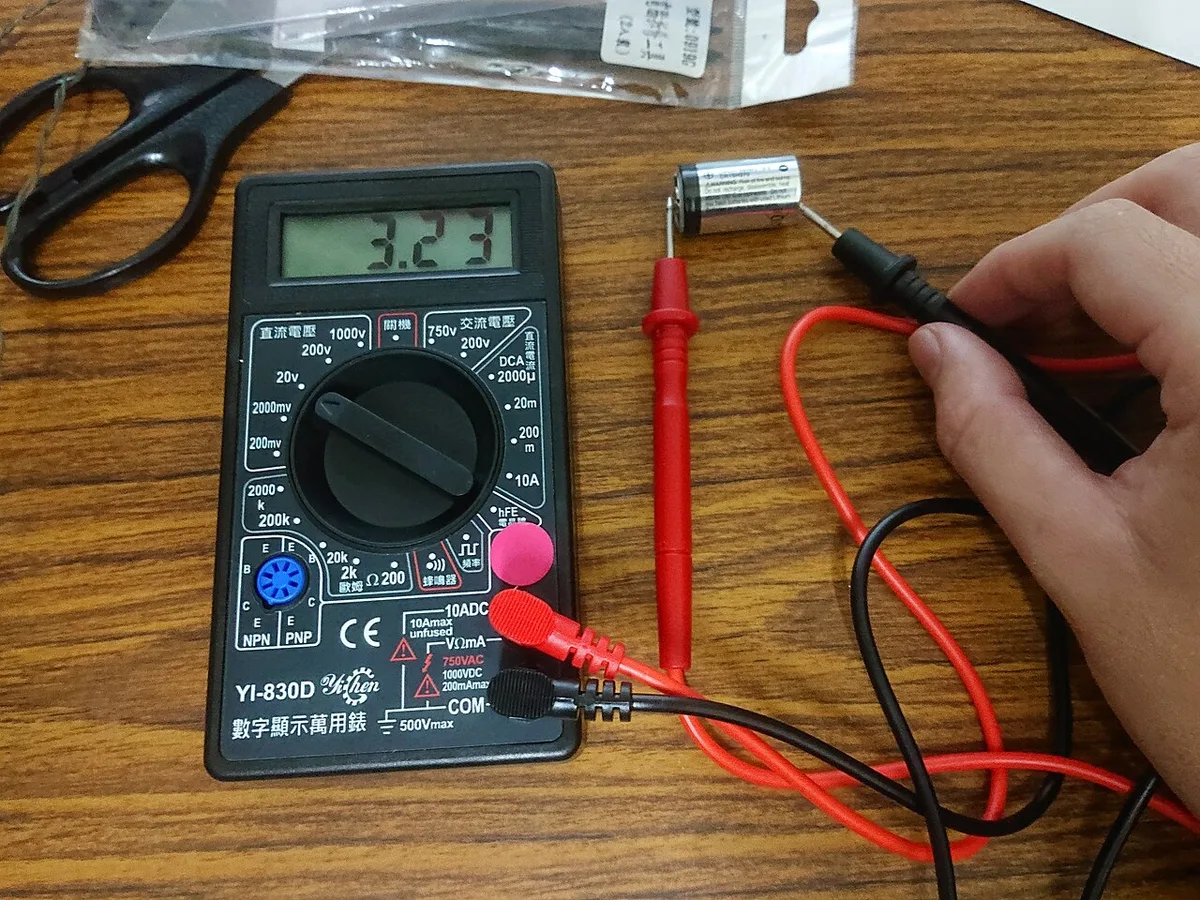
Image source: Wikimedia Commons / Jiazheng0609 (CC BY-SA)
How It Works: Alternator, Battery, Voltage Regulator
The alternator generates electricity while the engine runs, feeding the battery and headlights. At idle, its output should stay between 30 and 70 A for most vehicles. The voltage regulator keeps the system at a steady 13.5‑14.5 V.
If the regulator fails, voltage can dip to 12 V or lower, causing the flicker.
- Alternator: spins with the belt, produces AC that the rectifier converts to DC.
- Voltage regulator: monitors output and adjusts field current to maintain voltage.
- Battery: stores energy and supplies power when the alternator can’t keep up.
- Headlight circuit: draws current from the regulated supply; a drop shows as dimming.
| Component | Nominal Idle Voltage | Nominal Current |
|---|---|---|
| Alternator | 13.5‑14.5 V | 30‑70 A |
| Battery | 13.5‑14.5 V | — |
| Regulator | 13.5‑14.5 V | — |
If you want to verify alternator output yourself, a scan tool can read live data as of 2026. Using a scan tool helps confirm whether the regulator is holding voltage correctly.
Decision Tree: Step-by-Step Troubleshooting
Follow this decision tree to isolate the exact cause without guessing. Each step tells you whether to continue or replace a part.
- If battery voltage at idle is below 13.5 V, go to step 2.
- If voltage is within range but the alternator output measured with a load tester is under 30 A, replace the alternator.
- If output is normal, test the voltage regulator with a bench supply; replace if it fails to hold 13.5 V.
- If regulator passes, inspect all ground connections for corrosion; clean or tighten as needed.
- If all above pass, replace the headlight switch or wiring harness if the flicker persists.
For safety, keep a recovery point in your garage in case the vehicle won’t start after testing.
Image source: Wikimedia Commons / Shixart1985 (CC BY)
Why does my headlight flicker only when the AC is on?
The AC compressor draws extra load, reducing alternator output; if the regulator can’t compensate, voltage drops and the headlight dims.
Can a bad battery cause flickering at idle?
Yes, a weak battery can’t hold voltage under load, causing the alternator to work harder and sometimes drop voltage.
How do I test the voltage regulator myself?
Use a multimeter to check voltage at the battery while the engine idles; if it stays steady, the regulator is likely fine; otherwise, test with a bench supply.
When should I call a professional?
If you’re uncomfortable with electrical testing, see a mechanic; they can run a load test and replace components safely.
What are the safety risks of ignoring the flicker?
Ignoring can lead to a dead battery, sudden loss of lights, or damage to the alternator, increasing crash risk.
Final verdict: should I replace the alternator or just the regulator?
Start with the regulator and grounds; if voltage still drops, replace the alternator. This approach saves money and restores reliable lighting.
