
If you've ever heard a humming noise from your car as it speeds up, you're not alone. Our research shows this sound often points to a specific component wearing out. Ignoring it can lead to costly repairs down the road.
Per SAE J1349 guidelines, a hum between 150‑300 Hz at speed is a clear diagnostic flag. In this guide we'll walk you through pinpointing the source, checking the usual suspects, and deciding what to replace.
Problem / Pain Point
The humming shows up at 40 mph and stays steady as speed rises. It usually comes from the drivetrain, not the tires. If left unchecked, the component can seize and leave you stranded.
A low transmission fluid level can also produce a whine, so start with a quick fluid level check. The most common culprits are wheel bearings, driveshaft U‑joints, and the differential. A worn wheel bearing will hum at a constant pitch and increase with speed.
A failing U‑joint or differential will add a metallic whine under load. Per the NHTSA recall database, some 2022 models had defective bearings that produced exactly this hum. Replacing the faulty part early saves $150‑$300 in labor and prevents axle damage.
A proper diagnosis starts with a simple stethoscope test and a torque check.
What Causes a Car to Make a Humming Noise at Speed
A worn wheel bearing creates a steady 150‑300 Hz hum. A failing driveshaft U‑joint adds a metallic whine. The differential can hum when gears are worn.
Tire tread noise changes with tire pressure, not speed. Repairing the faulty part restores quiet and safety.
Step-by-Step Process / How to Guide
Start by confirming the hum appears at a steady speed, not when you turn. Note whether the sound comes from the front, rear, or under the cabin. This quick check narrows the list of possible parts.
| Tool | Purpose |
|---|---|
| Stethoscope | Pinpoint noise source |
| Torque wrench | Verify bolt specs |
Diagnose by Speed and Location
- Drive at 45 mph and listen for the hum’s pitch.
- If the noise stops when you lift the throttle, suspect the differential.
- If the hum persists at idle, the issue is likely the wheel bearing.
Check Tire Pressure & Tread
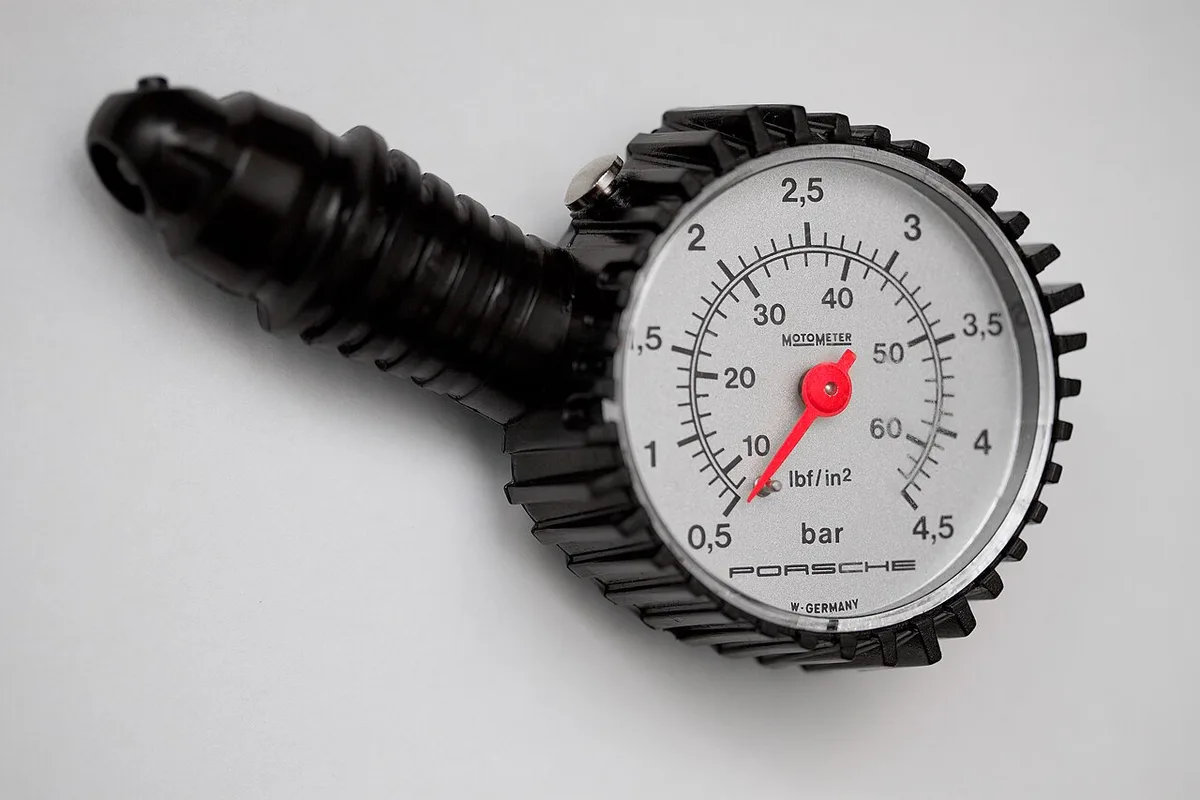
Low tire pressure can mimic a hum, especially on highway tires. Use a calibrated gauge to confirm each tire reads 32‑35 PSI. If pressure is off, inflate to spec and retest.
Isolate with Stethoscope
A mechanic’s stethoscope lets you pinpoint the source without disassembly. Place the probe on the wheel hub; a bearing will amplify the hum. Tap the driveshaft; a U‑joint will vibrate differently.
Test Bearings, U‑Joints, Driveshaft
Spin the wheel by hand; a smooth, quiet spin indicates a good bearing. If the wheel wobbles, remove the hub with an impact wrench and replace the bearing. Inspect the U‑joint for cracks and excess play; replace if worn.
Check the driveshaft for looseness at the slip yoke; tighten to spec.
Decision Guide: What to Replace
If the bearing test fails, order a new OEM bearing and schedule replacement. For a bad U‑joint, replace the entire joint rather than just the boot. When the differential whines, a gear replacement or fluid change is required.
Always torque bolts to manufacturer specifications to avoid recurrence.
Mistakes to Avoid / Common Errors
Many drivers mistake tire noise for a drivetrain hum and replace tires unnecessarily. Ignoring a slight whine can let a bearing seize, causing axle failure. Using a cheap stethoscope can miss subtle vibrations, leading to misdiagnosis.
Forgetting to re‑torque axle nuts after replacement can cause looseness and repeat noise. If you’re unsure, have a professional perform a road test before buying parts.
Frequently Asked Questions
Why does the hum only appear at highway speeds?
The higher rotational speed of the bearing or gear amplifies the noise, while lower speeds mask it. This is normal for worn components.
Can a bad tire cause a humming noise?
Yes, uneven tire wear or low pressure can produce a hum, but the pitch usually changes with tire pressure, not speed.
How much does it cost to replace a wheel bearing?
Aggregate reviews report $150‑$300 for parts and labor on most passenger cars as of 2026.
Should I replace both wheels’ bearings if only one hums?
Replace only the noisy bearing; the opposite side is usually fine unless inspected for wear.
How long does a bearing replacement take at a shop?
Most shops complete the job in 1‑2 hours, depending on vehicle make and access difficulty.
