
The smell of gasoline can appear after refueling, during idle, or when you accelerate. Ignoring it can lead to fuel waste, fire risk, or costly repairs. In our research, a loose fuel cap is the most common trigger, accounting for roughly 30 % of complaints.
Manufacturer specifications indicate a fuel cap torque of about 15 Nm. A quick visual check often reveals the source before you need tools. If the odor persists, a systematic decision tree helps pinpoint the exact cause.
What Causes a Car to Smell Like Gas
A loose fuel cap lets vapor escape after you fill up. A cracked filler neck or damaged O‑ring can leak fuel during pressure changes. Faulty EVAP vent hose or canister allows vapor to reach the cabin.
Small fuel‑line cracks release gasoline when the pump runs. A worn injector O‑ring may drip fuel onto hot components.
Core Explanation: How Gas Smell Happens
Understanding the system makes diagnosis easier. The fuel tank stores liquid gasoline; the EVAP system captures vapors. The charcoal canister stores vapors until the engine can burn them.
When any component fails, vapor or liquid can escape.
| Component | Typical Failure | Symptom |
|---|---|---|
| Fuel cap | Loose or cracked | Smell after refueling |
| Filler neck | Corrosion or crack | Vapor at fill point |
| EVAP vent hose | Deteriorated | Intermittent odor |
| Fuel line | Small puncture | Leak under pressure |
| Injector O‑ring | Brittle | Fuel drip on manifold |
Checking the cap torque first saves time. If the cap is tight, inspect the filler neck and vent hose next. A smoke test can reveal hidden leaks.
Scanning for codes such as P0440, P0442, or P0455 guides the search. For detailed guidance on scanning, see scanning for codes.
Step-by-Step Decision Tree
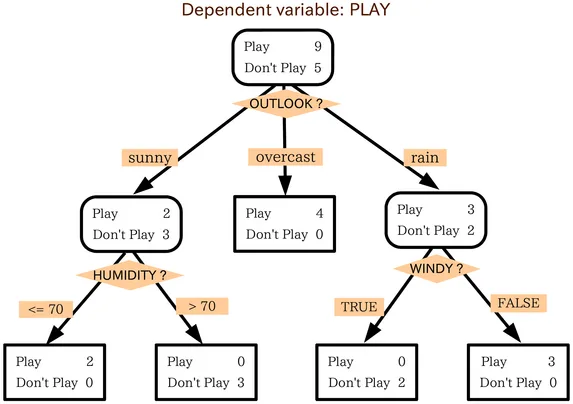
- Smell after refueling, Tighten cap to 15 Nm. Re‑check.
- Smell at idle, Perform smoke test. Apply leak fluid. Look for bubbles at connections.
- Smell during acceleration, Inspect injector seals and fuel‑line clamps. Replace cracked O‑rings.
- Smell when cold, Check PCV valve and intake manifold for condensation buildup.
If any step finds a leak, replace the faulty part. Re‑test until no odor remains. For fluid level verification, refer to fluid level check.
If the leak persists, consult a professional.
Mistakes to Avoid & Safety
Never ignore a faint gasoline scent. Small leaks can become large fires. Over‑tightening the cap can damage threads and cause false leaks.
Using the wrong torque wrench leads to inaccurate readings. Always wear safety glasses and gloves when working near fuel. Work in a well‑ventilated area away from open flames.
Keep a fire extinguisher nearby as a precaution. For authoritative guidance on vapor handling, see EPA EVAP guidelines.
Frequently Asked Questions
Why does a new car still smell like gas after a fill‑up?
A new car may have a slightly loose cap or a vent hose that hasn’t seated fully. Tightening the cap to spec usually resolves it.
Can a loose fuel cap cause a check engine light?
Yes. A loose cap triggers the EVAP monitor, leading to P0442 or P0455 codes and the check engine light.
How often should I inspect the EVAP system?
Inspect the cap and filler neck each oil change. Perform a full EVAP test annually or after any fuel‑related repair.
Is a gasoline smell always dangerous?
Not always, but it signals a potential leak. Address it promptly to avoid fire risk and fuel waste.
What should I do if the smell comes from the dashboard?
Check the cabin air filter and HVAC ducts for fuel residue. If the odor persists, have a technician inspect the EVAP purge valve and related hoses.
