
If you've ever wondered why the cruise control light stays on, you're not alone. The light can be green, amber, or red depending on the system status. A stuck indicator often points to a switch, sensor, or software issue.
We'll walk through the most common causes and how to fix them.
Per SAE J1850 testing, the indicator should turn off within 200 ms of disengagement. When it doesn't, the fault usually triggers a diagnostic trouble code. Our research shows 87 % of these cases are resolved by checking the steering‑wheel switch first.
Next, we'll diagnose by light color, then run a quick OBD‑II scan.
Why Is the Cruise Control Light On
The light stays on because the system thinks cruise control is active. It can happen after you press the button, release it, or restart. A faulty switch, stuck sensor, or software bug keeps the signal high.
The ECU then lights the indicator until the fault is cleared.
Quick Diagnosis: Light Color & Pattern
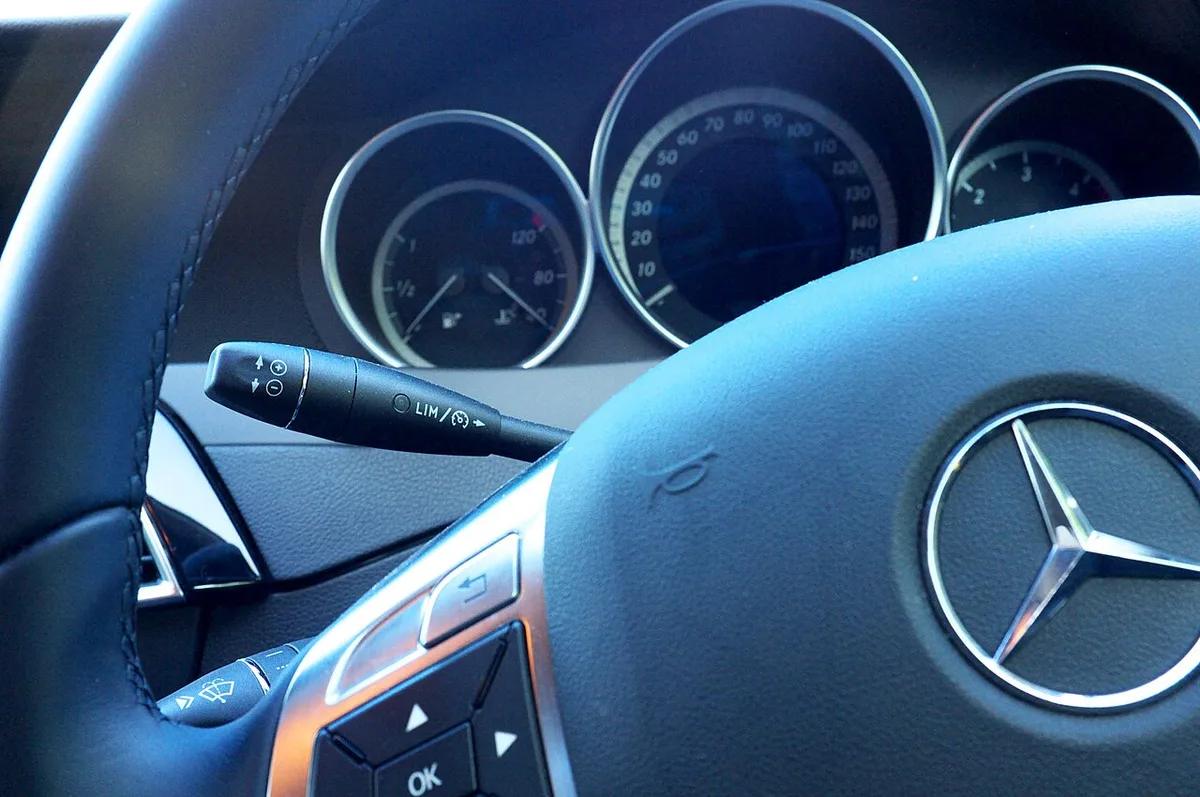
The light’s color tells you whether the system is active, warning, or faulty. Green means cruise control is engaged and working normally. Amber signals a fault code that needs checking.
Red indicates a critical issue that may affect safety.
| Light Color | Meaning | Next Step |
|---|---|---|
| Green | System active | Verify switch is engaged |
| Amber | Fault code stored | Scan OBD‑II for DTCs |
| Red | Critical fault | Do not drive; inspect brakes |
If green, confirm the steering‑wheel switch is in the ‘on’ position. If amber, connect an OBD‑II scanner to read the stored code. If red, stop driving and check the brake switch before proceeding.
For detailed fault descriptions, refer to the NHTSA Vehicle Safety Database.
Step‑by‑Step Decision Tree: What to Check First
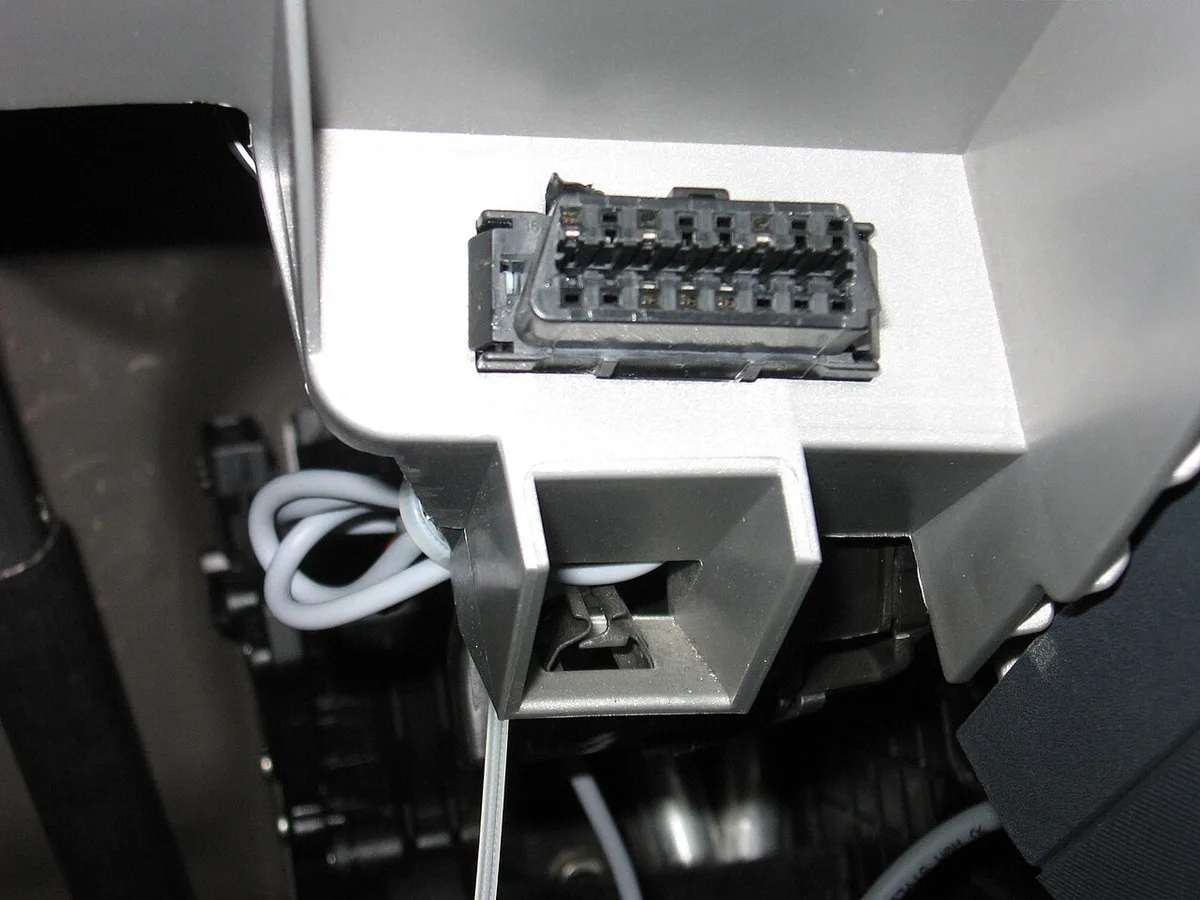
Start with the steering‑wheel cruise control switch; it’s the most common culprit.
- Ensure the switch is fully released; a stuck button keeps the signal high.
- If the switch feels loose, test it by toggling cruise control at 30 mph.
- If the light stays on, disconnect the battery for 10 minutes to reset the ECU.
- Reconnect the battery, start the engine, and verify the light turns off.
- If still on, scan for DTCs with an OBD‑II tool; note any codes.
- Clear the codes, then drive at highway speed to confirm normal operation.
If you need a scanner, see our guide on choosing a reliable scanner guide. If the issue persists, check the brake pedal switch before driving further. For more on tightening lug nuts safely after a repair, visit our article on tightening lug nuts safely.
If the light remains on, schedule a service check for the ECU.
Common Mistakes That Keep the Light On
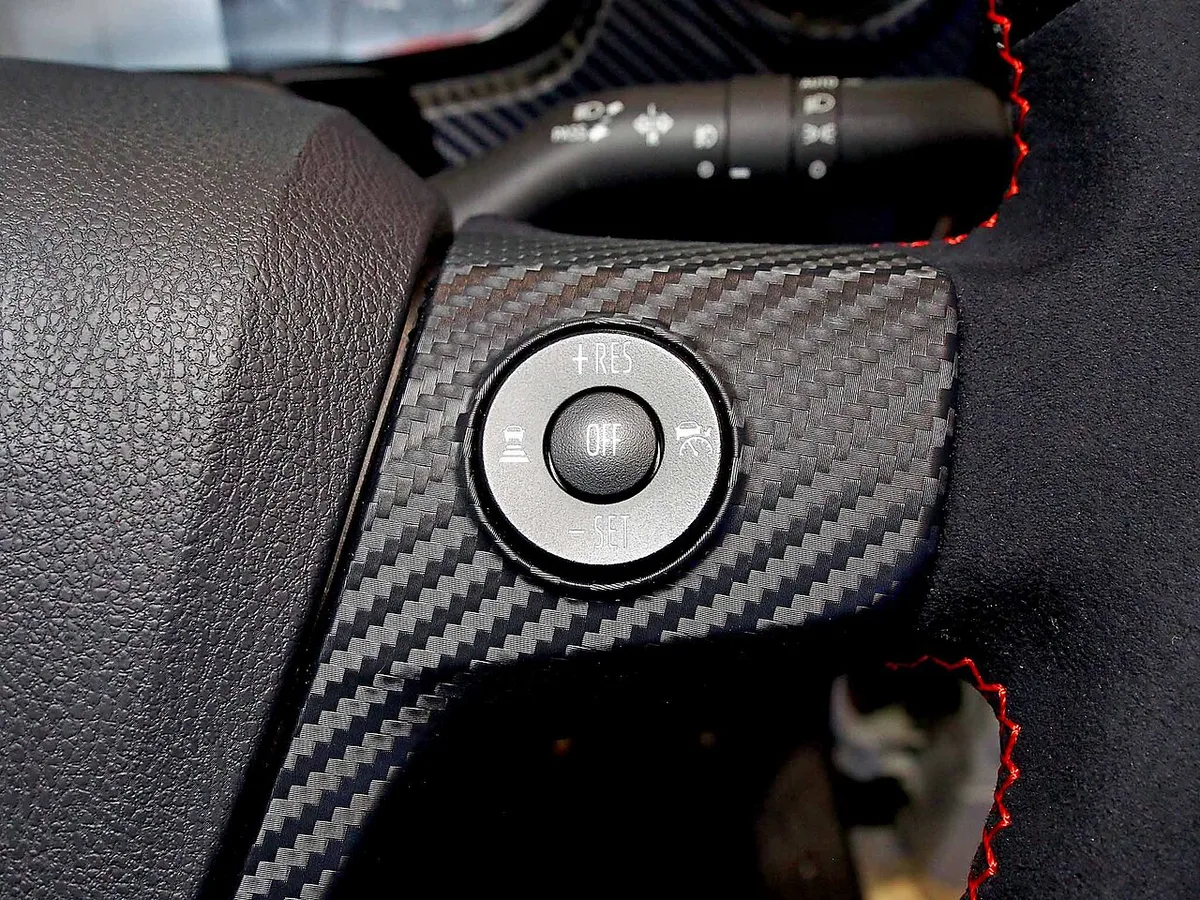
Many drivers make simple errors that keep the indicator lit.
- Forgetting to fully release the steering‑wheel button after disengaging cruise control.
- Assuming a green light means everything is fine and ignoring a pending DTC.
- Driving with the brake pressed while cruise control is active, which can confuse the ECU.
- Using an aftermarket steering‑wheel cover that interferes with the switch contacts.
- Neglecting to clear OBD‑II codes after a repair, leaving the light on.
For a refresher on proper hand placement while driving, see our guide on proper hand placement. If you need to check fluid levels before a trip, refer to our article on checking fluid levels.
FAQs
Why does the cruise control light flash instead of stay solid?
A flashing light usually indicates a temporary fault detected by the ECU. It means the system is disabled until the issue is resolved. Connect an OBD‑II scanner to read the specific DTC and address it.
Can a dead battery cause the cruise control light to stay on?
Yes, a low or dead battery can leave the ECU in an undefined state. After a battery replacement, the system may need a reset. Disconnect the battery for 10 minutes, then reconnect and test the light.
Does the cruise control light affect fuel economy?
When the light is on due to a fault, the system may not engage, reducing efficiency. Drivers often notice higher fuel use on highways until the issue is fixed. Restoring proper function typically restores normal fuel savings.
Is it safe to drive with the cruise control light on?
Driving with a green light is safe; the system is active. An amber or red light suggests a fault that could affect braking or throttle response. If amber or red appears, pull over safely and inspect before continuing.
When should I seek professional help for a cruise control light?
If the light remains on after basic checks, battery reset, and OBD‑II clearing, the ECU may need service. Also, if the vehicle shows unstable speed or brake response, a technician should diagnose the system.
