
You might ask why is the seat belt light on every time you start your car. The warning indicates the system detects an unfastened belt or a sensor fault. Ignoring it can prevent airbags from deploying in a crash.
Per FMVSS 208, the light must stay illuminated until the buckle is properly latched.
Understanding the cause helps you decide whether to DIY or call a shop. The system uses a buckle switch, control module, and warning lamp to enforce safety. Checking the sensor and clearing codes often resolves the issue.
Let’s look at how the components work and how to fix it.
Why Is Your Seat Belt Light On? 5 Fixes
The light signals an unfastened belt or sensor fault. It stays on until the buckle is properly latched. If the buckle switch fails, the system reports a DTC.
Check the buckle and scan for codes to confirm.
How the Seat Belt Sensor and SRS System Work – Core Explanation
The seat‑belt reminder is part of the SRS (Supplemental Restraint System). A magnetic or resistive buckle switch tells the airbag control module if the belt is fastened. When the switch reads “open,” the module lights the red warning lamp and may log a DTC.
Manufacturer specs confirm this behavior per the FMVSS 208 standard.
Typical components and their functions:
| Component | Function | Common Failure |
|---|---|---|
| Buckle switch | Detects latch status | Stuck open |
| Airbag control module | Runs diagnostics, triggers light | Software glitch |
| Warning lamp | Visual alert | Burned out filament |
If the light stays on after fastening, the switch may be stuck or the wiring damaged. A multimeter test shows continuity when the belt is latched. If continuity is missing, replace the switch.
If continuity is present but the light remains on, clear DTCs with an OBD‑II scanner. For code reading steps, see our [OBD‑II scanner guide].
Step-by-Step: Diagnose and Fix a Persistent Seat Belt Light – Process
- Inspect the buckle, Look for debris, bent latch, or worn springs. Clean or replace if needed.
- Test the switch, With the belt fastened, use a multimeter to check continuity across the switch terminals.
- Scan for DTCs, Connect an OBD‑II scanner, read and record any B1500‑B1599 codes.
- Clear codes, After a successful repair, clear the DTCs and cycle the ignition.
- Verify operation, Fasten and unfasten the belt several times; the light should turn off when latched.
If the switch fails the continuity test, replace it. If the light stays on despite a good switch, check the wiring harness for corrosion or broken connectors. After replacement, you may need to tighten lug nuts; see our [impact wrench guide].
If you are working on a Ford, you might also need to add transmission fluid; see our [Ford transmission fluid steps].
A simple multimeter test takes about 5 minutes. Replacing a buckle switch costs $80‑$150 for most models. Labor at a shop adds $100‑$150.
Most DIY repairs finish within 30 minutes.
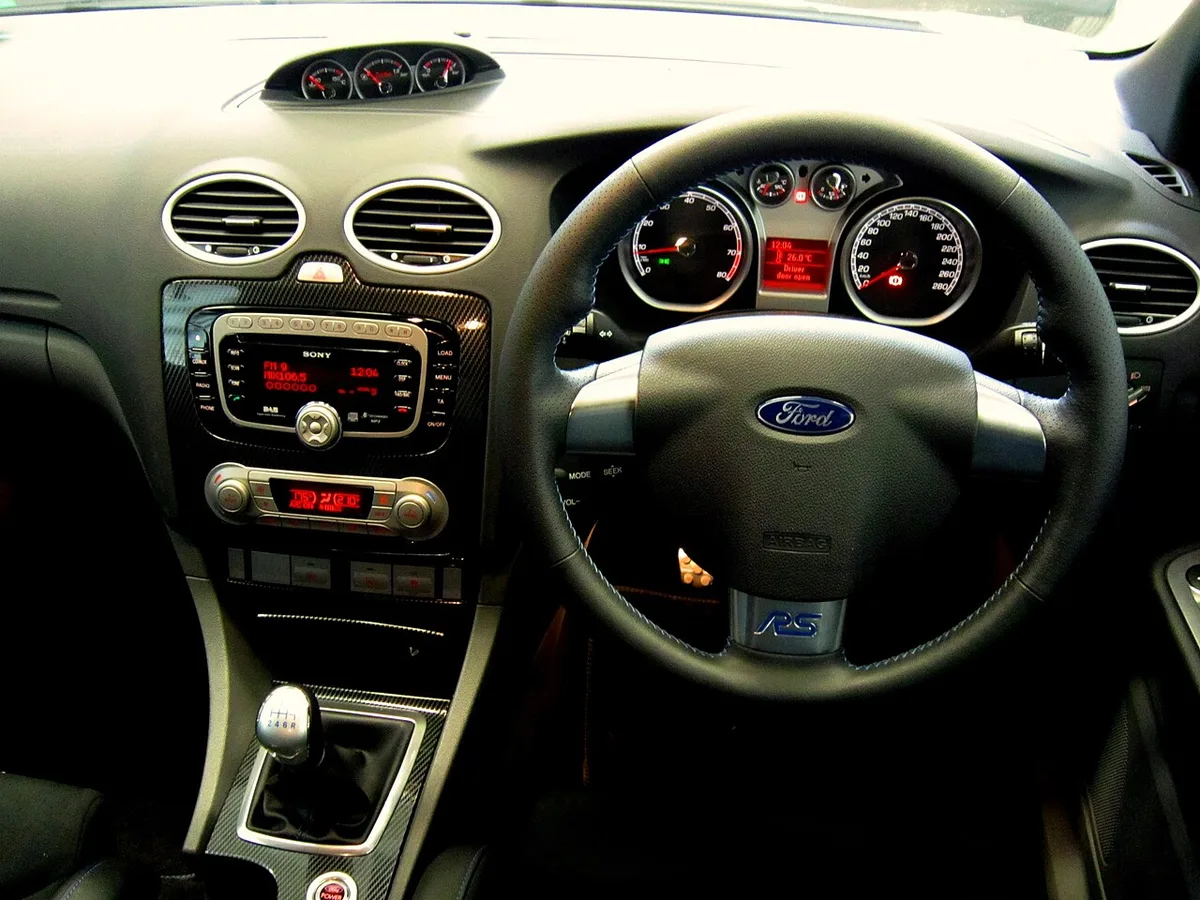
Image source: Wikimedia Commons / NRMA Motoring and Services from Sydney, Australia (CC BY)
Costs, Common Mistakes, and When to Seek Professional Help – Costs & Mistakes
Typical repair costs range from $100 to $300, depending on parts and labor. Common mistakes include ignoring the DTC, forcing the buckle, or using the wrong replacement switch. Forcing the buckle can damage the sensor and cause repeated failures.
Skipping the scan leaves hidden codes that may trigger the light again.
If the light returns after a DIY fix, have a technician verify the SRS integrity. Persistent issues may indicate a faulty airbag control module, which requires dealer-level tools. Replacement modules can exceed $400.
Compare these costs to typical [headlight bulb pricing] for perspective on routine repairs.
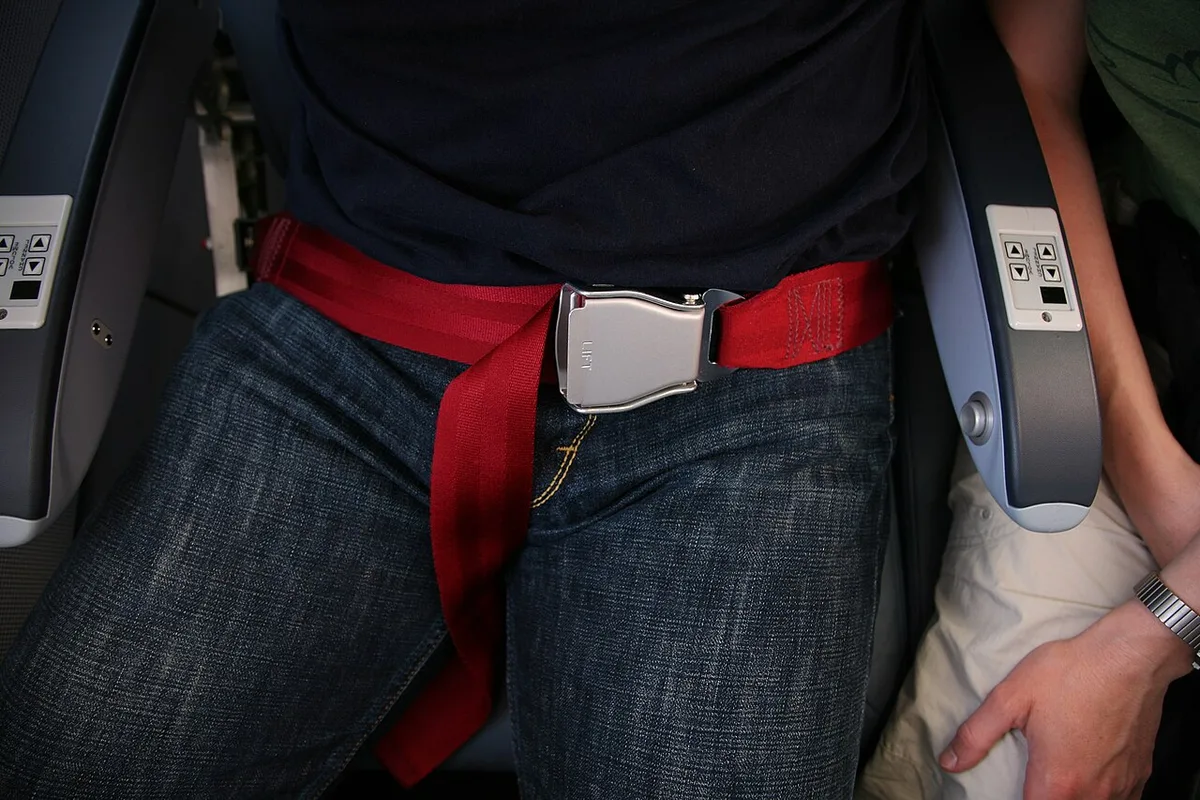
Image source: Wikimedia Commons / Daniel Schwen (CC BY‑SA)
FAQs, Safety Rules, and Final Verdict – Decision Guide
Why does the light flash instead of staying steady?
A flashing light usually means the sensor is intermittently detecting an open buckle. Check for loose wiring or a worn switch.
Can I drive with the seat belt light on?
You can drive, but the airbags may not deploy correctly in a crash. It’s unsafe and may violate state law.
Do I need a special tool to reset the light?
No special tool is required; an OBD‑II scanner clears the codes. If you lack a scanner, a dealer can clear them for a fee.
When should I call a professional?
If the light stays on after replacing the buckle and clearing codes, or if you see any DTCs beyond B1500‑B1599, seek a shop. Also, if the airbag module is suspected, dealer service is required.
Safety rules
- Always wear the seat belt while driving.
- Never ignore a persistent warning light.
- Use only OEM or verified aftermarket switches to avoid compatibility issues.
- Keep the SRS wiring clean and protected from moisture.
Final verdict
Address the seat belt light promptly. Most cases are solved by inspecting the buckle, testing the switch, and clearing DTCs. If the issue persists, replace the faulty component or have a professional verify the system.
Ignoring the warning compromises crash protection and can lead to fines. For steering safety, check the [hand placement guide] to ensure proper driving posture.
