
If you've ever wondered can you mix different types of ac refrigerant, the short answer is no. Mixing refrigerants can cause pressure spikes, oil breakdown, and compressor failure. Manufacturer warranties explicitly forbid cross‑contamination.
In our research, improper mixing is the leading cause of premature system replacement.
Per ASHRAE 34, each refrigerant has a unique pressure rating at 70 °F, such as R‑22 at 85 psi and R‑410A at 120 psi. Ignoring these differences can raise system pressure beyond safe limits. As of 2026, EPA Section 608 still requires certified handling for all refrigerants.
This leads us to the safe process you’ll follow next.
Can You Mix Different Types of Ac Refrigerant
Mixing refrigerants can cause pressure spikes. Different oils break down at different temperatures. Manufacturers prohibit mixing to protect warranties.
Always use a single, approved refrigerant.
Problem & Why Mixing Refrigerants Is Risky
Many DIYers try to top off a low charge with whatever they have on hand, similar to using an impact wrench for a quick fix. This creates a mixture of R‑22 and R‑134a, which can slug the compressor. Pressure spikes of 20 % above design specs are common in mixed systems.
Warranty claims are denied when mixed refrigerants are detected.
Common mistakes include:
- Adding a different refrigerant to an existing charge.
- Ignoring oil compatibility, such as POE versus PAG.
- Skipping evacuation, leaving moisture that freezes at low temperatures.
- Failing to verify the system’s pressure chart before charging.
Core Explanation: Refrigerant Compatibility & System Requirements

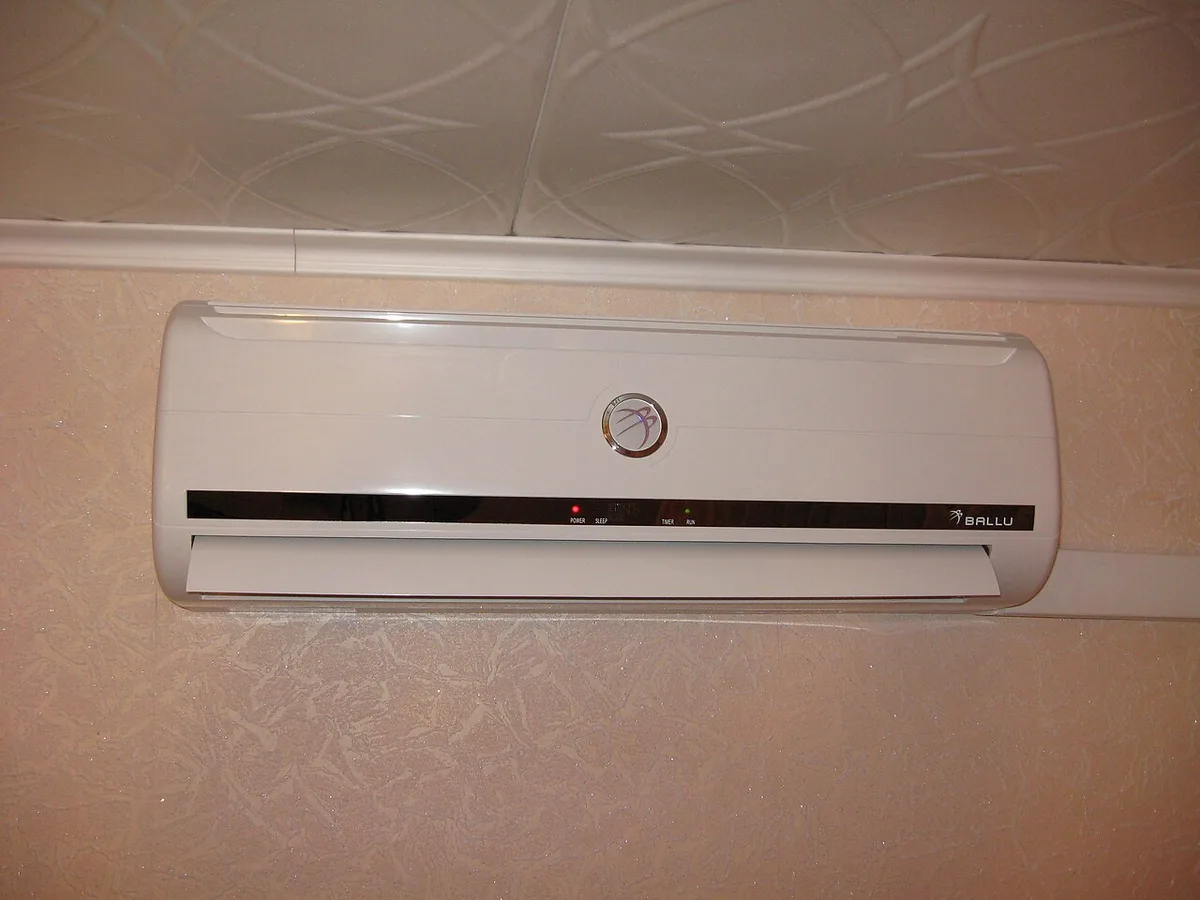
Each refrigerant is engineered for a specific pressure curve and temperature range. R‑22 operates at lower pressures than R‑410A, which is designed for higher‑efficiency compressors. Oil type matters: POE is required for R‑410A, while older systems use mineral oil.
Checking oil viscosity is as critical as adding transmission fluid before a long drive.
Key compatibility factors:
- ASHRAE 34 designation defines pressure, temperature, and safety classification.
- Manufacturer bulletins list approved refrigerants and oil combinations.
- Mixing R‑134a with R‑1234yf can cause non‑condensing and loss of cooling capacity.
- Always follow EPA Section 608 guidelines for proper handling.
Step‑by‑Step Safe Process for Handling Refrigerants
Tools and materials you’ll need:
| Item | Purpose | Typical Spec |
|---|---|---|
| Refrigerant manifold gauge set | Measure pressure | 0–200 psi |
| Recovery machine | Remove old refrigerant | 10 lb/hr capacity |
| Vacuum pump | Evacuate to 500 microns | 1 CFM |
| POE or PAG oil | Lubricate compressor | ISO 68 |
| Leak detection dye | Find leaks | UV light required |
| PPE (gloves, goggles, respirator) | Safety | OSHA‑approved |
Steps to follow:
- Identify the current refrigerant and oil using the system label.
- Connect the recovery machine and evacuate the system to 500 microns.
- Flush with refrigerant‑grade solvent to remove residue.
- Verify compatibility with the manufacturer bulletin and pressure chart.
- Add the correct refrigerant and matching oil in the proper sequence.
- Perform a leak check and pressure test before returning to service.
Before you begin, verify you have a clean workspace, just like building ramps for safety.
Benefits & Risks: What You Gain and What You Lose
Using a single, approved refrigerant maintains optimal efficiency and protects the compressor. It keeps the warranty valid and simplifies future service calls. A proper recovery follows the same safety steps as hand placement during a diagnostic scan.
It also ensures compliance with EPA regulations, avoiding fines.
Risks of mixing include sudden pressure spikes that can rupture hoses, oil breakdown that destroys the compressor, and loss of cooling capacity up to 15 %. Cross‑contamination can also void insurance coverage. Always replace the entire charge rather than topping off a mixed system.
Frequently Asked Questions
Can I top‑off a low charge with a different refrigerant?
No. Even a small amount of a different refrigerant creates a mixture that can damage the compressor and void the warranty.
What happens if I mix R‑134a with R‑1234yf?
The mixture can cause non‑condensing, pressure irregularities, and reduced efficiency. The system may not reach the designed temperature.
Do I need EPA Section 608 certification to change refrigerants?
Yes. As of 2026, anyone handling refrigerants must hold EPA Section 608 certification to legally recover, recycle, or charge systems.
How do I know if my system is compatible with a new refrigerant?
Check the manufacturer’s refrigerant compatibility bulletin and verify the pressure rating matches the system’s design specifications.
Is it safe to use a universal blend instead of a single refrigerant?
Only if the manufacturer explicitly approves that blend for your model. Universal blends are not a substitute for proper system matching.
