
Can you mix different types of power steering fluid? Many car owners wonder if a quick top‑off with any available fluid is safe. The answer isn’t a simple yes or no, and it depends on the vehicle’s make, model, and the exact fluid specification.
Getting it right protects the steering pump and keeps the car handling smoothly.
When the wrong fluid meets the steering system, seals can swell, the pump can wear, and the steering can feel stiff or noisy. That’s why manufacturers publish a specific fluid code in the service manual. If you’re unsure which fluid to use, checking the reservoir label or the owner’s manual is the first step.
We’ll walk through the key differences, the risks of mixing, and how to choose the right fluid as of 2026.
Problem / Pain Point
Why mixing matters
OEM power steering fluid is engineered with a precise blend of base oil, anti‑wear additives, and viscosity modifiers. A different fluid, such as automatic transmission fluid (ATF) or a generic PSF, can lack the correct additives or have a different viscosity, leading to seal swelling, pump wear, and loss of assistance. Symptoms include a hard steering feel, fluid leaks from the rack, and unusual noise when turning the wheel.
For example, on a 2014 Ford Focus, the recommended fluid is Mercon III; using a different ATF can cause the rack to leak. Checking the reservoir label and matching the fluid code to the service manual prevents costly repairs. If you ever need to top up, use the exact fluid type or perform a full flush.
Quick Answer / Key Insight
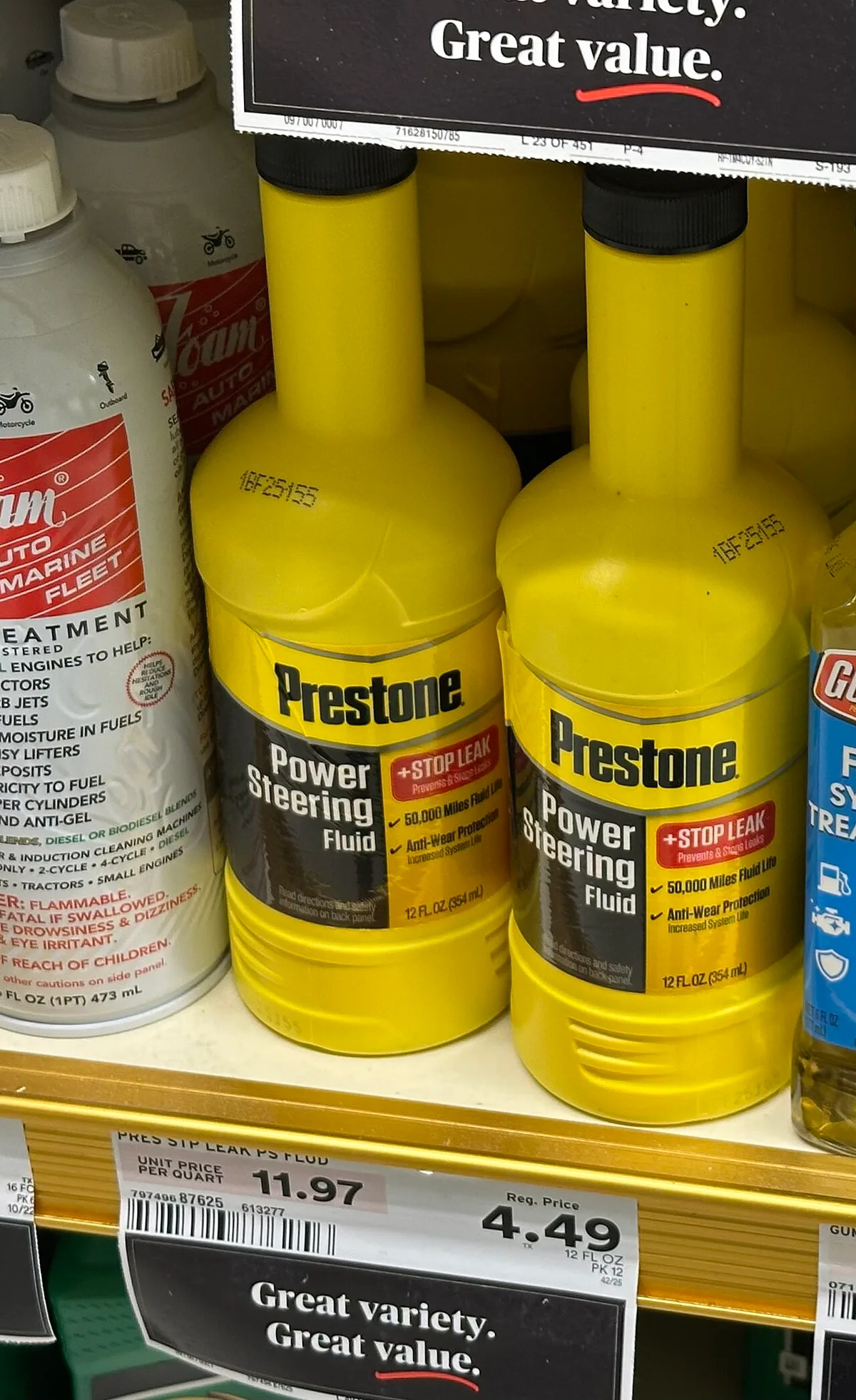
- No, you generally cannot mix different types of power steering fluid unless the manufacturer explicitly allows it.
- Original equipment fluid is formulated to meet SAE J1703 performance standards.
- Mixing fluids can void the warranty and cause irreversible damage to seals and the pump.
- If you must top‑off, use the OEM‑specified fluid or flush the entire system first.
- Always verify the fluid code in the service manual before adding any fluid.
Core Explanation / How It Works
The chemistry of power steering fluid is not interchangeable with ATF. PSF contains specific anti‑wear additives that protect rubber seals, while ATF is designed for transmission gears and may lack those additives. Viscosity differences affect how the fluid flows through the steering gear at low and high temperatures.
Using the wrong fluid can cause the pump to work harder, leading to premature failure.
If you ever change the automatic transmission filter, you’ll also need to flush the steering system if you used ATF in the steering. This ensures no residual contaminants remain. The correct fluid maintains consistent pressure, smooth steering response, and protects against corrosion.
Features / Components / What's Inside
| Fluid Type | Base Oil | Anti‑Wear Additives | Viscosity (ISO) | Typical Use |
|---|---|---|---|---|
| OEM PSF | Mineral or synthetic | Zinc‑based, phosphorus | 68–100 | Most domestic cars |
| ATF (e.g., Mercon) | Mineral | Different additive package | 68–100 | Some older models |
| Synthetic PSF | Synthetic | Enhanced anti‑wear | 68–100 | High‑performance vehicles |
- Base oil provides lubrication and heat transfer.
- Anti‑wear additives form a protective film on metal surfaces.
- Anti‑foam agents prevent bubbles that can reduce steering pressure.
- Corrosion inhibitors protect the steering gear from moisture.
Just as you need the right torque when using an impact wrench for lug nuts, the steering system needs the correct fluid composition.
Benefits & Drawbacks / Pros and Cons
Pros of using the correct fluid
- Seals stay supple and leak‑free.
- Pump operates efficiently, preserving steering feel.
- Warranty remains valid.
- Long‑term cost savings compared to replacing a steering rack.
Cons of mixing fluids
- Seal swelling and premature wear.
- Loss of steering assistance and potential safety hazard.
- Warranty may be voided.
- The cost of lug nuts is small compared to the cost of a steering pump replacement.
NHTSA advises drivers to follow manufacturer fluid specifications to avoid safety issues.
Step-by-Step Process / How to Guide

First, locate the power steering reservoir and confirm the fluid type on the label. If the reservoir is empty, flush the entire system before refilling to avoid hidden contaminants. Per SAE J1703, mixing fluids can compromise seal integrity, so a full flush is the safest route.
Steps to follow
- 1. Verify fluid code, Check the owner’s manual or reservoir cap for the exact specification (e.g., Mercon III, PSF‑1).
- 2. Drain old fluid, Use a clean siphon or vacuum to pull fluid from the reservoir and steering gear.
- 3. Flush the system, Start the engine and turn the steering wheel lock‑to‑lock, adding fresh OEM fluid until the old fluid is expelled.
- 4. Refill with correct fluid, Fill to the marked level, then start the engine and check for proper steering feel.
- 5. Bleed air, Turn the steering wheel back and forth while the engine runs to remove any trapped air.
If you need a reference for proper fluid level, see our guide on keeping the correct fluid level before each season.
Mistakes to Avoid / Common Errors

Image source: Wikimedia Commons / DJ5F-XDTB (CC BY-SA)
- Using ATF instead of OEM PSF, This can cause seal swelling; always match the manufacturer’s fluid code.
- Topping off without a flush, Residual mixed fluid remains and can damage the pump over time.
- Ignoring the reservoir label, The label often lists the exact viscosity grade and additive package.
- Skipping the air‑bleed step, Air in the lines leads to a stiff steering feel and reduced assistance.
- Working in a cluttered garage, A tidy workspace reduces the chance of contamination; consider building car ramps from wood for a safe, organized area.
For a detailed flush procedure, refer to our article on changing automatic transmission fluid filter, which outlines the same steps for a sealed system.
Frequently Asked Questions
Can I use any pink fluid in my steering system?
Only use the fluid color and code specified by the manufacturer; pink ATF may lack the necessary additives and can damage seals.
How often should power steering fluid be changed?
Most manufacturers recommend a change every 30,000, 50,000 mi or 3 years, but inspect the fluid for color and smell annually.
What happens if I mix ATF and power steering fluid?
The different additive packages can cause seal swelling, pump wear, and loss of steering assistance, often voiding the warranty.
Do I need special tools to flush the steering system?
A simple siphon or vacuum and a clean funnel are enough; no specialty tools are required beyond a socket for the reservoir cap.
Can I add a small amount of ATF in an emergency?
Only if the manufacturer explicitly permits it; otherwise, use the exact OEM fluid or perform a full flush first.
