
Do electric cars need maintenance? Most owners find they still need regular checks despite fewer moving parts. Our research shows a typical EV service schedule mirrors early‑model gasoline cars.
Per SAE J1634, manufacturers recommend a 12‑month or 12,000‑mile service interval for most models as of 2026. That interval covers battery health checks, tire pressure verification, and coolant inspection. Following this schedule keeps range consistent and prevents costly repairs.
Neglecting these steps can drop battery efficiency by up to 5 % per year.
Why EV Maintenance Still Matters
Battery health monitoring is the backbone of EV reliability. The battery management system (BMS) alerts you when cells degrade beyond safe limits. Ignoring those alerts can lead to reduced range and expensive replacements.
Regular coolant checks prevent overheating in hot climates. Tire pressure directly affects efficiency; under‑inflated tires can cut range by 5 % to 10 %. Keeping tires at 30‑35 psi preserves performance and extends tread life.
For detailed procedures, refer to the SAE J1634 standard. If you need to replace a lug nut, see the cost of lug nuts for budgeting purposes.
- BMS alerts for SOC drops >5 %
- Tire pressure verification every service
- Coolant level and type inspection
- OTA software update check
Decision Tree: When to Service Your EV
Use this simple if/then flow to decide if a service is due.
| Condition | Action |
|---|---|
| Mileage ≥ 12,000 mi OR time ≥ 12 months | Schedule full service |
| Ambient temperature > 95 °F OR < 0 °F | Add coolant check |
| Battery SOC drop >5 % since last service | Run BMS diagnostic |
| Tire pressure <30 psi OR >35 psi | Adjust pressure and rotate tires |
If you notice any of the above, perform the corresponding step. For complex diagnostics, consider choosing an OBD‑II scanner to read BMS codes.

Image source: Wikimedia Commons / Ryan Dickey from Evanston, IL / Chicago, United States (CC BY)
Step‑by‑Step Maintenance Workflow
- Open the vehicle app and view battery health. Note any degradation alerts.
- Check tire pressure with a calibrated gauge. Adjust to 30‑35 psi.
- Inspect coolant reservoir. Top up with ethylene‑glycol based fluid if low.
- Connect to Wi‑Fi and run OTA software update. Confirm installation.
- Log the service date, mileage, and tasks in your digital maintenance book.
- Set the next service reminder based on the 12‑month/12,000‑mi rule.
If you need to tighten lug nuts, see using an impact wrench for proper torque. For windshield protection, review installing window deflectors before long trips.
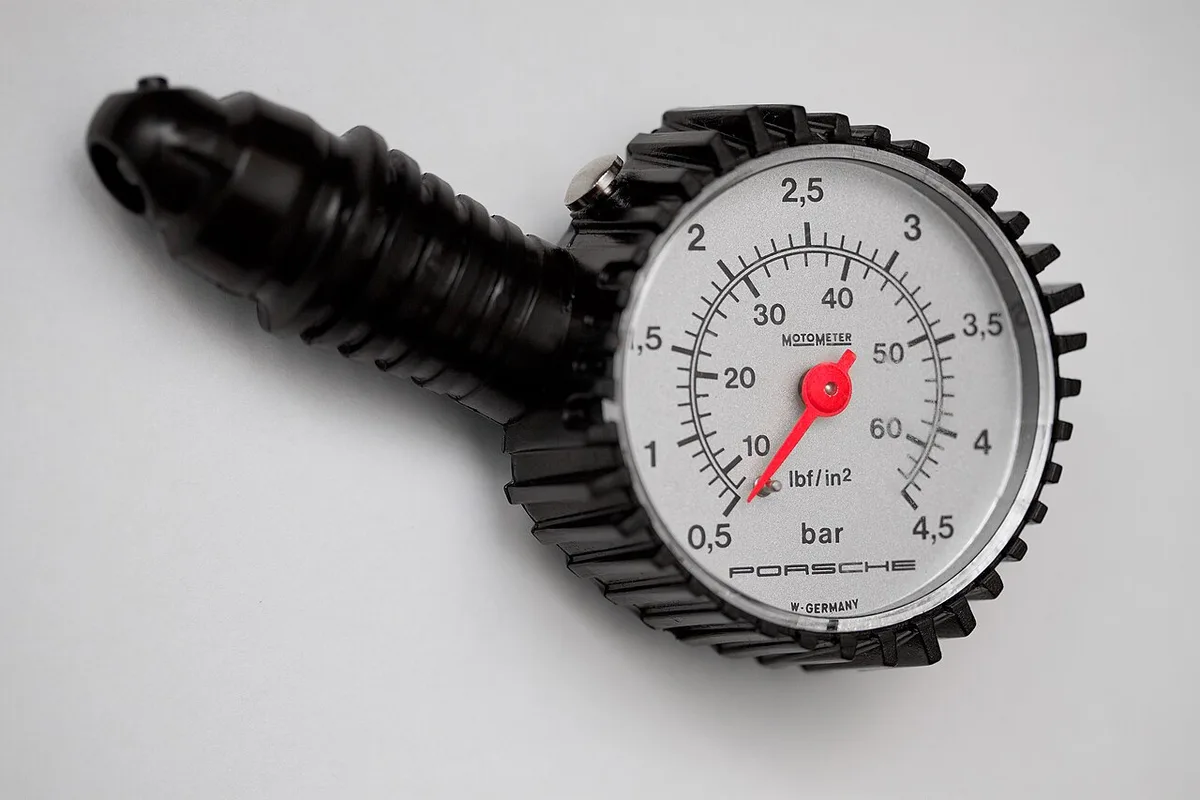
Image source: Wikimedia Commons / Antti (CC BY)
Use Cases & Who It’s Right For
- Daily commuter (≤15 mi/day) benefits from monthly tire checks and quarterly BMS reviews.
- Long‑distance traveler (≥200 mi trips) should add a pre‑trip coolant inspection.
- Fleet operator (delivery vans) follows the 12‑month schedule strictly to minimize downtime.
- Cold‑climate driver (≤0 °F) adds a winter coolant flush and checks battery thermal management weekly.
Each scenario adjusts the frequency of the core steps but never skips them. For workshop safety, see building wooden ramps when working under the vehicle.
Frequently Asked Questions
Do I need an oil change?
No. EVs have no internal combustion engine, so they do not use motor oil. The only fluid that needs replacement is coolant, typically every 12 months.
How often replace brake fluid?
Brake fluid should be flushed every 24 months or 24,000 mi, whichever comes first. This prevents moisture buildup that can affect pedal feel.
Can I service my EV at any shop?
Most shops can handle tire pressure and coolant checks. Battery diagnostics and software updates are best done at a dealer or certified center with the proper scan tool.
What are the cost differences vs ICE?
Aggregate reviews report average EV service costs of $400‑$600 per year, compared with $900‑$1,200 for gasoline cars. Savings come from fewer parts and no oil changes.
