
You’ve probably wondered how does an ev battery work when you see a car silently glide past. The answer lies in lithium‑ion cells that store energy through reversible chemical reactions. Understanding the basics helps you avoid costly mistakes and get the most range out of your vehicle.
Per SAE J1634 testing, a typical 75 kWh pack retains 80 % capacity after 2,000 full cycles. As of 2026, the average cost per kilowatt‑hour has fallen to $150, making replacements more affordable. Manufacturers also warranty packs for eight years or 100,000 miles, giving owners confidence in long‑term use.
Let’s start with the quick answer, then dive into why these batteries matter for everyday driving.
How Does an Ev Battery Work
Lithium‑ion cells store electricity through reversible chemical reactions. The pack groups many cells, balanced by a Battery Management System. Charging forces lithium ions to move from cathode to anode.
Discharging reverses the flow, delivering power to the motor. Heat management keeps the pack safe and efficient during use.
Why EV Batteries Matter – Pain Points & Benefits
Owners often see capacity drop after 2,000 to 3,000 cycles, especially if they regularly drain to zero. Battery packs can also suffer thermal runaway if damaged, overcharged, or exposed to extreme heat, a risk that demands careful monitoring. Cold temperatures reduce range by up to 30 % because chemical reactions slow down.
Following the manufacturer’s guidelines and using the BMS helps avoid these issues, just as regular fluid checks keep systems healthy.
Zero tailpipe emissions make EVs cleaner for cities and the climate. High power density delivers instant torque, giving smooth acceleration without a gasoline engine’s lag. Regenerative braking can recover up to 20 % of energy, extending range on hilly routes.
For detailed testing standards, see the SAE J1634 testing protocol.
How EV Batteries Work – Core Explanation
Lithium‑ion cells store energy through reversible chemical reactions between cathode and anode. The cathode releases lithium ions when discharging and absorbs them when charging. This flow creates voltage that powers the electric motor.
Multiple cells are grouped into modules, then stacked into a pack that fits the vehicle’s chassis. The Battery Management System monitors voltage, temperature, and state of charge for each module. Active liquid cooling circulates coolant through channels to keep temperatures between 20 °C and 35 °C.
Temperature sensors and fuses protect against overheating, while the BMS can isolate faulty modules. Per IEEE 1625, packs must meet strict fire‑resistance and mechanical integrity standards. For detailed requirements, see the IEEE 1625 safety standard.
Just as system monitoring keeps drivers informed, the BMS alerts you to issues.
- Cathode material (NMC, NCA, or LFP)
- Anode material (graphite or silicon‑graphite)
- Electrolyte (lithium salt in organic solvent)
- Cell format (cylindrical 18650, pouch, or prismatic)
- Battery Management System (BMS)
- Thermal management (liquid cooling or passive heat sink)
How to Use & Maintain Them – Step-by-Step Process
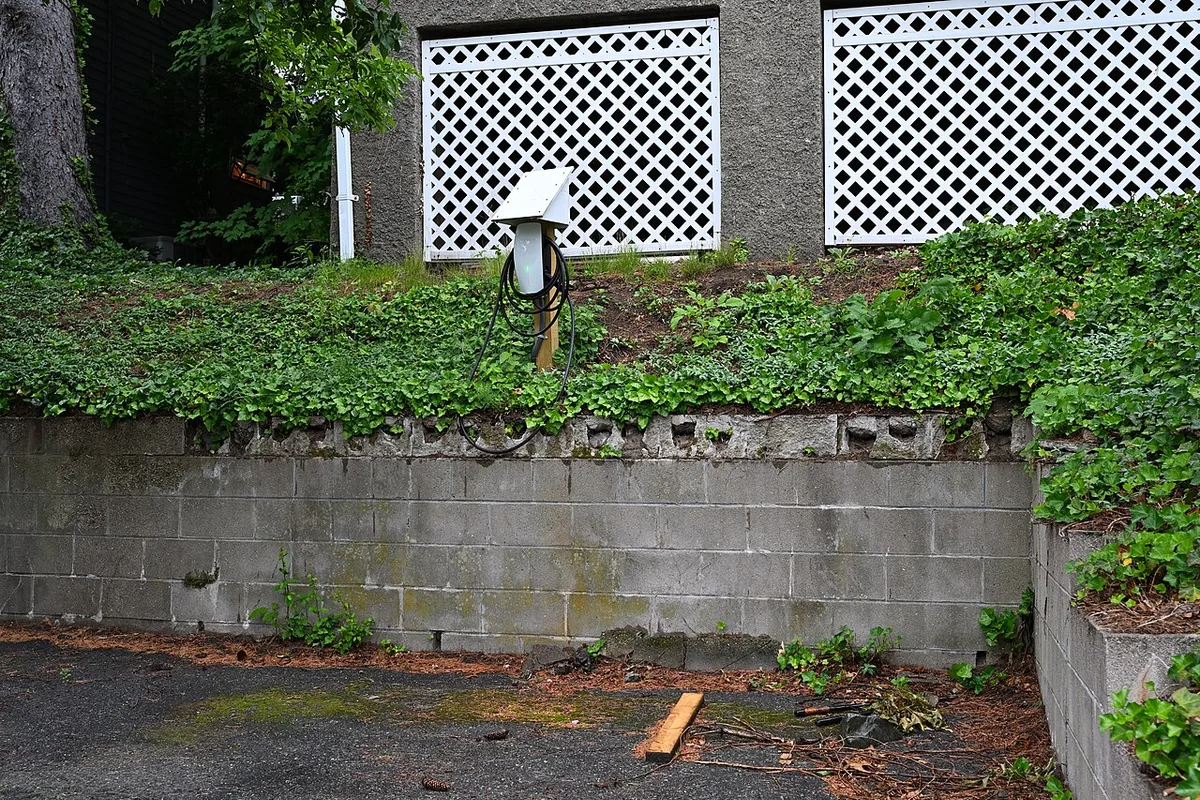
Daily driving works best when you keep the pack between 20 % and 80 % state of charge. Charging at home overnight is convenient and avoids fast‑charge wear. Fast charging can add 200 mi in about 15 minutes when using a 250 kW charger.
Follow these steps for optimal battery health:
| Step | Action | Approx. Time |
|---|---|---|
| 1 | Plug into Level 2 charger (7 kW) | 4–6 h for 60 kWh |
| 2 | Use scheduled charging to stop at 80 % | Set timer in vehicle app |
| 3 | Pre‑condition battery before fast charge | 5 min via BMS |
| 4 | Fast charge to 80 % at 250 kW station | ~15 min |
| 5 | Avoid staying at 100 % for more than 2 h | Unplug after reach |
Check tire pressure weekly. Under‑inflated tires can reduce range by up to 10 %. Keep the vehicle in a shaded area when parked to limit heat buildup.
Balance the pack every 100 cycles using the BMS routine to keep module voltages even. Just as proper torque prevents wheel issues, balanced cells prevent capacity loss. When budgeting for replacements, consider the budget for replacements of other components.
Protecting cargo with a cover can reduce interior heat, similar to how a protecting cargo cover works.
Safety & Legal Essentials
Thermal runaway can occur if a cell is punctured, overcharged, or exposed to extreme heat. The reaction spreads quickly, potentially igniting the pack and surrounding components. Always park on level ground and avoid deep water crossings to reduce puncture risk.
Call emergency services immediately and avoid opening the pack.
Per FMVSS 305, EV packs must pass fire‑resistance and impact tests before sale. UL 94 V‑0 rating ensures the pouch material self‑extinguishes after exposure to flame. For detailed requirements, see the official UL 94 standard.
- Never use a charger rated above the pack’s specifications.
- Do not store the vehicle at 100 % charge for extended periods.
- Keep the BMS firmware updated to the latest version.
- In case of fire, use a Class D fire extinguisher rated for lithium fires.
- Follow local regulations for battery disposal and recycling.
Frequently Asked Questions
How long does an EV battery last?
Most packs retain 80 % capacity after 2,000 to 3,000 cycles. Warranty typically covers eight years or 100,000 miles. Real-world data shows many owners keep original packs for ten years or more with proper care.
Can I charge at home overnight?
Yes, Level 2 home charging is safe and convenient. It avoids the wear of frequent fast charging. Schedule charging to stop at 80 % for optimal longevity.
What affects range in cold weather?
Cold temperatures slow chemical reactions, reducing range by up to 30 %. Pre‑conditioning before driving helps recover some loss. Keeping the pack warm improves efficiency and extends range.
How does regenerative braking work?
Regenerative braking converts kinetic energy back into electrical energy. The motor acts as a generator during deceleration. This can recover up to 20 % of energy, especially in hilly driving.
Do I need a special charger for fast charging?
Fast charging uses DC stations up to 250 kW, which are widely available. Your vehicle’s BMS handles the power flow safely. No additional equipment is required beyond the standard connector.
