
How does direct injection work? It sprays fuel directly into the combustion chamber instead of the intake manifold.
This method became standard in most vehicles as of 2026 to meet emissions rules while boosting efficiency. Manufacturer specifications indicate system pressures reaching 3000 bar under load. If you’re dealing with sluggish performance or check engine lights, knowing the basics cuts down on guesswork.
How Does Direct Injection Work
Direct injection works by pumping fuel to high pressure and injecting it straight into the cylinder. The engine control unit times each spray to the exact crankshaft position. High-pressure injectors open for just 1 to 2 milliseconds to create a fine mist.
Multiple injections per cycle happen during intake, compression, and expansion strokes. This precise metering cuts throttling losses and improves throttle response. You get better cold starts and power delivery without extra parts.
If pressure drops below specs, misfires follow, so regular monitoring prevents headaches.
Problem / Pain Point
Carbon deposits build on intake valves because some fuel hits the walls and doesn’t burn completely. If you skip quality fuel or additives, clogging worsens over time. High system pressure strains seals and lines, leading to leaks or ruptures when conditions change.
Poor ECU mapping causes knock or uneven running, especially in turbo setups. To avoid this, test injectors early with an OBD scanner. Wrong timing in different operating modes triggers hesitation.
Many owners face higher repair bills from ignored deposits until performance drops sharply. Checking for codes and using correct octane fuel stops most issues before they start.
Image source: Wikimedia Commons / Oak Ridge National Laboratory (CC BY)
Core Explanation / How It Works
The system relies on a high-pressure fuel pump that builds 100 to 3000 bar and feeds the fuel rail. Injectors then open at precise moments to spray fuel into the combustion chamber. The engine control unit adjusts quantity and duration based on load, speed, and temperature.
Stratified mode runs lean at light load for efficiency, then switches to rich at full throttle. Air-fuel mixing happens inside the chamber for cleaner burns. Piezoelectric injectors respond faster than older electromagnetic types.
This setup integrates with variable valve timing for optimal results.
Image source: Wikimedia Commons / Oak Ridge National Laboratory (CC BY)
Step-by-Step Process / How to Guide
- The ECU signals the high-pressure pump to build pressure during key cycles.
- It monitors crankshaft position to time injector opening.
- Fuel sprays into the chamber as pilot then main injection.
- Post-injection cleans the valves after combustion.
- The system equalizes pressure in the rail before the next event.
If the engine is idling, short pulses keep it stable. During acceleration, multiple sprays deliver extra fuel instantly. Cold starts use extra pulses for quick ignition.
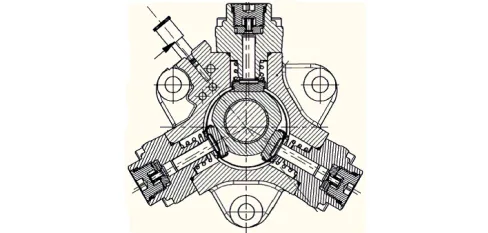
Image source: Wikimedia Commons / Beef1980! (CC BY-SA)
For injector selection, check Best Injectors For Lb7 Duramax.
FAQs
What causes carbon buildup in direct injection engines?
Fuel that evaporates poorly hits the valves and leaves deposits. Regular use of additives and premium fuel helps clear them. Severe cases need professional cleaning or walnut blasting.
How does direct injection differ from port fuel injection?
Direct injection sprays fuel inside the chamber while port injection sprays into the intake. This gives better control and efficiency but requires precise timing.
Why should I use an OBD2 scanner?
It reads codes related to injector performance and fuel pressure. Many issues show up as misfires or lean codes before they cause damage.
What does the ECU do in direct injection?
It controls injection timing, quantity, and pressure to match engine conditions. Proper mapping prevents knock and optimizes emissions.
How often should I maintain the fuel system?
Follow your owner’s manual for injector cleaning or pressure tests every 30,000 miles or yearly.
Can poor fuel quality damage direct injection components?
Yes, contaminants clog injectors faster than in older systems. Always use fuel with proper additives to extend life.
