
If you notice a soft brake pedal or longer stopping distances, you need to know how to check brake fluid. Neglecting fluid checks can lead to brake failure, a leading cause of accidents. This guide walks you through the essential steps.
Per DOT 3 specifications, brake fluid must stay above the MIN mark and contain less than 2 % water by volume. Ignoring these numbers can cause brake fade on hot summer drives. As of 2026, manufacturers recommend checking fluid every 30,000 km.
A bottle of DOT 4 fluid costs $8, $12, far cheaper than a brake job.
How to Check Brake Fluid
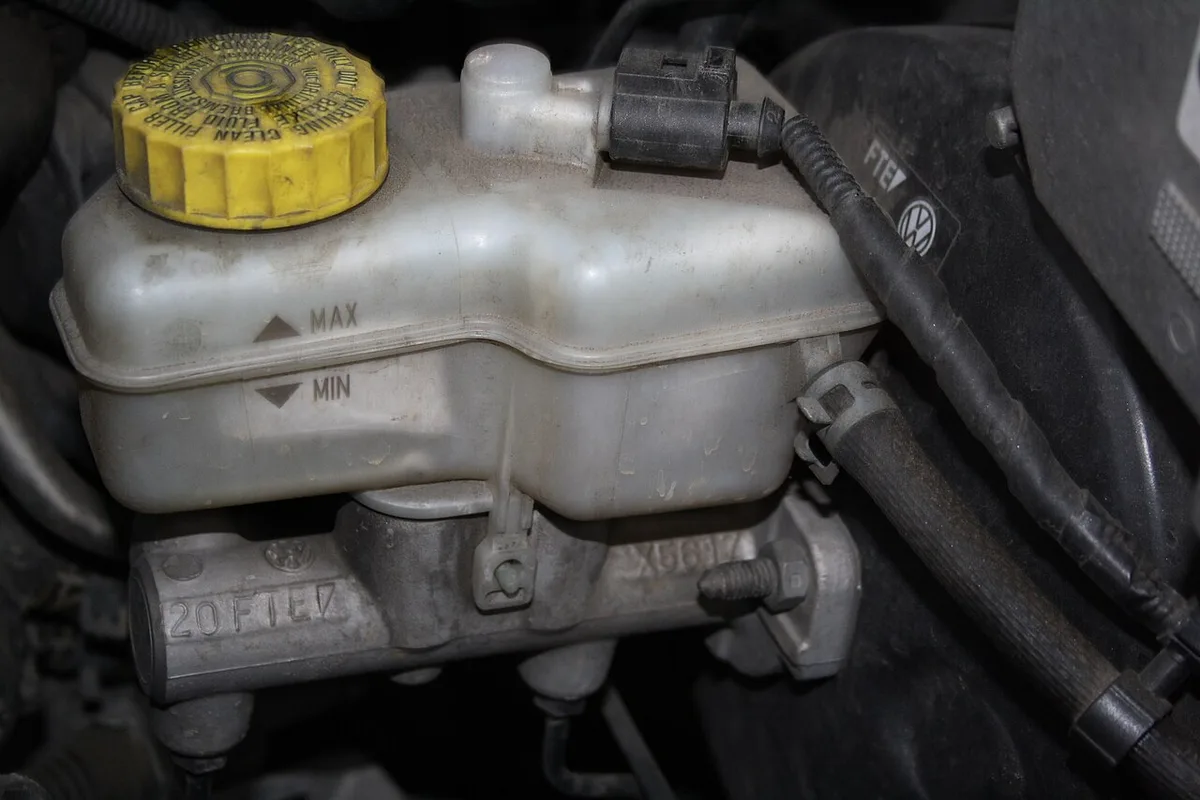
Check the reservoir level between MIN and MAX marks.
Inspect fluid color. It should be clear amber.
Test moisture with a hygrometer. Keep water under 2 %.
Top up with correct DOT fluid if low, then bleed brakes.
A soft brake pedal often signals air or low fluid. Spongy feel after a few pumps means air is in the lines. Dark brown fluid indicates water contamination and should be replaced.
Core Explanation / How It Works
Brake fluid is the lifeblood of your hydraulic brake system. It transmits force from the master cylinder to the calipers, turning pedal pressure into stopping power. The fluid must meet DOT standards.
DOT 3, 4, 5.1 use glycol ether; DOT 5.2 uses silicone. Each has a minimum dry and wet boiling point, for example DOT 4 must not drop below 230 °C dry and 155 °C wet.
| DOT | Base | Dry Boil (°C) | Wet Boil (°C) | Typical Use |
|---|---|---|---|---|
| 3 | Glycol ether | 205 | 140 | Older cars, mild climates |
| 4 | Glycol ether | 230 | 155 | Modern cars, moderate use |
| 5.1 | Glycol ether | 270 | 180 | High‑performance, heavy load |
| 5.2 | Silicone | 260 | 170 | Racing, extreme heat |
Because glycol ether absorbs moisture, water content should stay below 2 % by volume. Moisture lowers boiling point and can cause brake fade. Fresh fluid restores the original boiling point and stops internal corrosion.
For a similar fluid maintenance routine, see our guide on fluid maintenance steps.
Key signs of bad fluid: soft pedal feel, longer stopping distance, pedal sinks to floor, fluid appears dark or milky.
Step-by-Step Process / How to Guide
- Locate the reservoir near the master cylinder. Remove the cap and inspect for debris.
- Check the fluid level. It should be between MIN and MAX marks.
- Observe the color. Clear amber is good; dark fluid means contamination.
- Test moisture with a hygrometer. If water exceeds 2 %, replace the fluid.
- If the level is low, top up with the correct DOT fluid using a clean funnel. Use a funnel with a filter to avoid debris entering the system.
- After topping, bleed the brakes to remove air from the lines. Bleed until no bubbles appear at the caliper bleed screw.
- Recheck the level, replace the cap, and dispose of used fluid properly. Dispose of used fluid at a local recycling center; many auto parts stores accept it.
If you need to replace filters during service, our filter replacement guide shows the steps. After bleeding, tighten lug nuts with an impact wrench; our tightening lug nuts article explains proper torque.
Safety / Legal / Compliance / Warnings
Never mix DOT 3 fluid with DOT 4 or DOT 5.1. Mixing can cause seal swelling and brake failure. Always use the DOT rating printed on the reservoir cap.
Using a lower‑rated fluid may not meet the vehicle’s boiling point requirements. Store unused fluid in a sealed container away from sunlight. UV can degrade glycol ether.
Inspect hoses and seals for cracks. Replace any damaged components before refilling. For ABS‑equipped vehicles, follow the manufacturer’s bleed sequence exactly.
Incorrect order can lock the system. Component durability tips help you choose quality parts that last. Recovery point location information is useful if you ever need a tow.
External authority: NHTSA brake safety guidelines provide detailed requirements for brake fluid performance and testing.
Frequently Asked Questions
How often should I replace brake fluid?
Manufacturer specs usually call for replacement every 2 years or 30,000 km, whichever arrives first. In coastal or humid regions, moisture builds faster, so replace sooner. Fresh fluid restores the original boiling point and stops internal corrosion, keeping brakes responsive and improves pedal feel.
Can I mix different DOT fluids?
No. Mixing DOT 3 with DOT 4 or DOT 5.1 can cause seal swelling and reduced boiling point. DOT 5.2 silicone should never mix with glycol ether fluids.
Always drain and refill with a single specification. Using the wrong mix may void warranty and lead to brake failure.
What happens if I use the wrong fluid?
Using a lower‑rated fluid reduces dry and wet boiling points, causing brake fade under heavy use. Silicone DOT 5.2 in a glycol system can damage seals and cause leaks. The brake pedal may feel soft and stopping distances increase and may trigger warning lights.
Do I need a special tool to check moisture?
A simple hygrometer or moisture test strip works. Digital units cost $15, $30 and give a % reading. If you don’t have one, replace the fluid every two years as a precaution.
Fresh fluid eliminates moisture concerns and restores braking performance.
