
If your brake pedal feels soft or you notice a loss of stopping power, the cause is often old brake fluid. Moisture and debris accumulate over time, reducing hydraulic efficiency. Changing the fluid restores pressure and keeps your brakes reliable.
This guide shows how to change brake fluid safely.
Per SAE J1703, brake fluid should be replaced every 24 months or 12,000 miles, whichever comes first. The standard also requires a boiling point of at least 230 °C when dry. Ignoring this interval can cause corrosion and brake fade.
We'll walk you through the process step by step as of 2026.
How to Change Brake Fluid
Drain old fluid from the reservoir. Bleed each caliper to remove air. Refill with DOT‑4 fluid and top up.
Test pedal firmness and check for leaks.
Why Brake Fluid Matters & Safety Risks
Brake fluid is the lifeblood of your hydraulic system. It transmits force from the pedal to the calipers. When fluid degrades, the system can fail unexpectedly.
checking fluid levels helps you spot issues early. Per NHTSA brake fluid guidelines, degraded fluid can lead to brake failure. Using the wrong fluid type can damage seals and cause leaks.
Always match the DOT specification listed in your service manual. This protects your vehicle and keeps you safe.
- Soft pedal feel due to air bubbles
- Brake fade during hard stops
- Corrosion of brake lines and calipers
- Reduced stopping distance in emergencies
Core Facts: Types, Specs, and How It Works
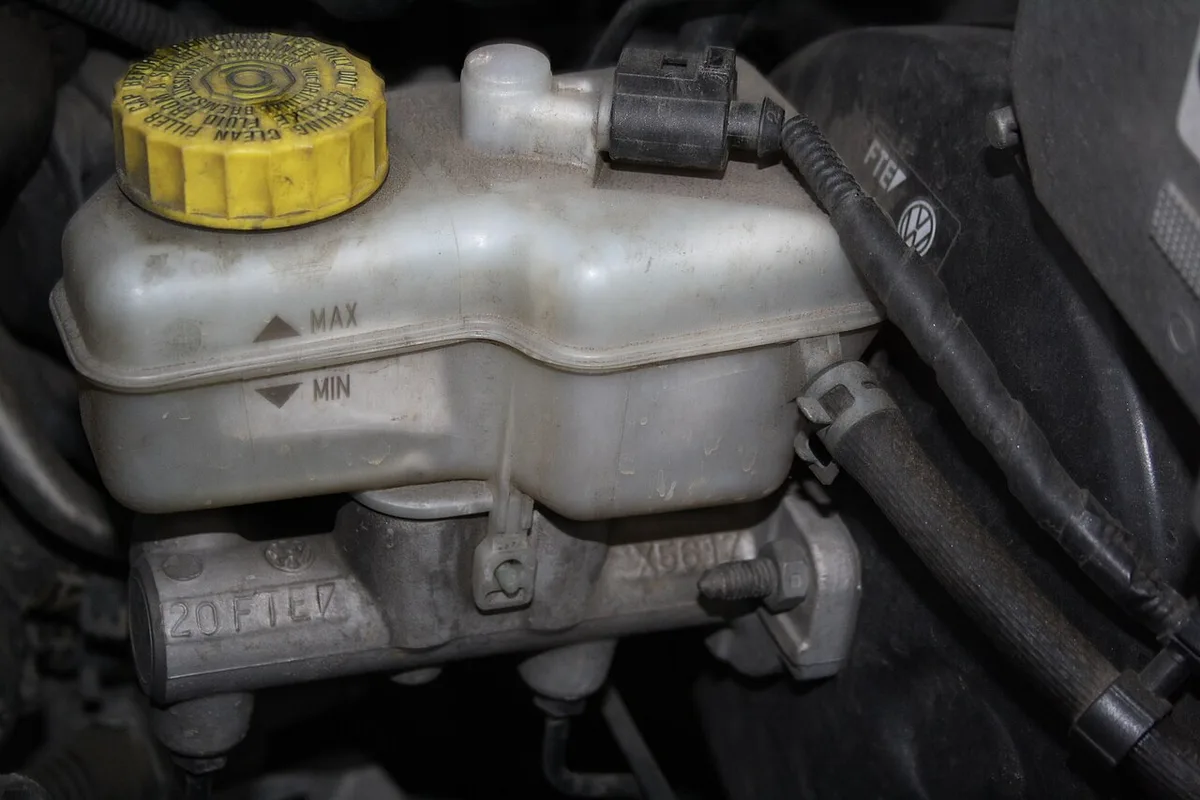
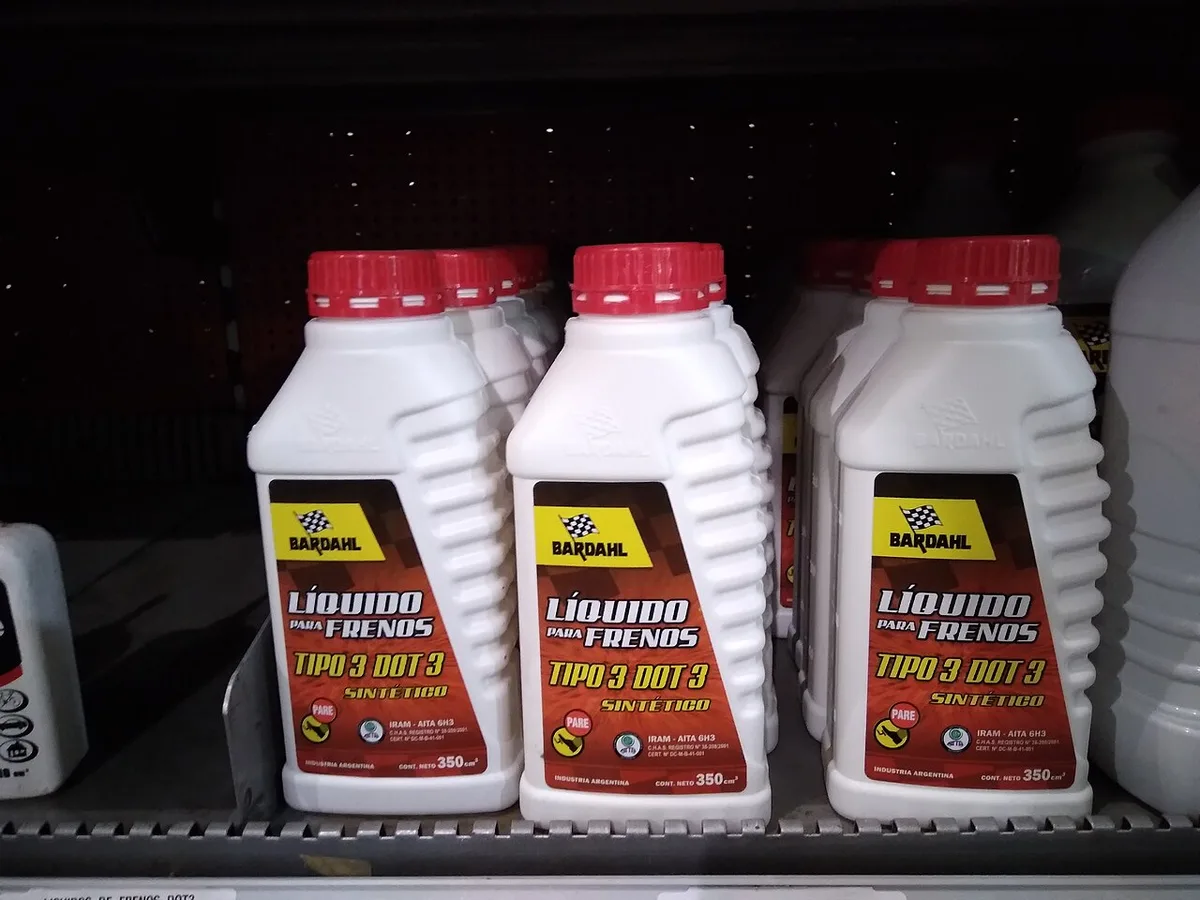
Brake fluid comes in three main DOT categories: DOT 3, DOT 4, and DOT 5.1. DOT 3 is amber and suited for standard driving. DOT 4 offers higher boiling points for performance use.
DOT 5.1 is red and silicone‑based, used in some European models. The fluid’s boiling point must meet SAE J1703 when dry and wet. A higher boiling point prevents vapor lock under heavy braking.
The master cylinder reservoir holds the fluid and allows for expansion. Air enters when the lid is removed, so keep it sealed. Bleeding the system removes trapped air and restores pressure.
preventing engine stalls is a separate topic but shows why you follow precise steps.
| DOT | Color | Dry Boil °C | Wet Boil °C | Typical Use |
|---|---|---|---|---|
| DOT 3 | Amber | 205 | 140 | Daily drivers |
| DOT 4 | Red/Green | 230 | 155 | Performance |
| DOT 5.1 | Red | 270 | 180 | European, high‑temp |
Step-by-Step: How to Change Brake Fluid Safely
Gather all tools before you start. You’ll need a clear container, fresh fluid, and a bleeder kit. Wear gloves and safety glasses to protect yourself.
Work on a level surface and engage the parking brake. Open the master cylinder lid slowly to avoid spills. Have rags ready to catch any drips.
- Remove the master cylinder cap and siphon out old fluid.
- Fill the reservoir with new DOT‑4 fluid and seal the cap.
- Attach the bleeder tube to the first caliper and open the bleed screw.
- Pump the brake pedal until clean fluid flows, then close the screw.
- Repeat the process on the remaining calipers in the proper order.
- Top up the reservoir and test the pedal for firmness.
- Inspect all connections for leaks before driving.
After bleeding, press the pedal a few times to ensure firm response. If the pedal still feels soft, repeat the bleeding sequence on any caliper that still shows air. Keep the reservoir sealed to prevent moisture entry.
Store used fluid in a sealed container for recycling. tightening lug nuts safely is a different job but shows the importance of following correct procedures.
Use Cases, Costs & Expert Tips
DIY fluid change costs about $50 for fluid and tools. A professional service ranges from $100 to $250 depending on labor rates. Most shops complete the job in 30 to 45 minutes.
If you drive in hot climates or tow heavy loads, choose DOT 4 for its higher boiling point. Daily commuters can use DOT 3 and save on price. Track drivers should replace fluid every 12 months.
For cold regions, ensure the fluid meets the wet boiling point required at, 30 °C. Add a small amount of brake cleaner to the reservoir to remove debris. Always dispose of used fluid at a recycling center.
improving aerodynamics is another topic but shows why you keep the system clean.
| Service | Avg Cost | Time | When to Choose |
|---|---|---|---|
| DIY | $50 | 60 min | Comfortable with tools |
| Dealer | $150 | 30 min | Want OEM parts |
| Independent shop | $120 | 30 min | Budget‑friendly |
FAQs & Final Verdict
How often should I change brake fluid?
Replace fluid every 24 months or 12,000 miles per SAE J1703. More frequent changes help in hot climates or heavy towing. This keeps the boiling point high and prevents corrosion.
Can I mix DOT 3 and DOT 4 fluid?
Mixing different DOT types is not recommended. DOT 4 has additives that DOT 3 lacks, and mixing can reduce performance. Use the same type throughout the system.
What happens if I don’t bleed the system?
Air remains in the lines, causing a soft pedal and reduced braking. Bleeding removes air and restores hydraulic pressure. Skipping this step leads to unsafe braking.
When should I seek a mechanic’s help?
If you notice persistent soft pedal after proper bleeding, or see leaks from calipers, call a professional. Complex systems like ABS may need specialized tools. Safety is worth the cost.
How do I know which fluid my car needs?
Check the service manual for the DOT specification printed on the master cylinder reservoir. Using the wrong fluid can damage seals. When in doubt, match the original equipment fluid.
Keeping your brake fluid fresh is the simplest way to maintain safe stopping power. Follow the steps, use the correct DOT fluid, and bleed thoroughly. Your brakes will respond reliably and last longer.
maintaining control is part of overall driving safety.
