
If you want to keep your engine from overheating, learning how to check coolant is essential. Coolant is a mixture of antifreeze and water that circulates through the engine to absorb heat. When the level drops or the fluid degrades, the engine can run hot, leading to costly damage.
Let’s start by understanding why this check matters before we walk through the steps.
In our research, SAE J300 specifies that coolant should sit between the MIN and MAX marks on the reservoir and contain at least 50% antifreeze in cold climates. Manufacturer specifications also list a normal operating temperature range of 190, 220 °F for most gasoline engines. If you spot the reservoir empty or the fluid murky, it’s time to top up or replace the coolant.
We’ll now move to the quick answer that tells you exactly how to verify coolant level and condition.
Problem: Overheating Risk & Low Coolant Level
Low coolant is the hidden cause of many overheating episodes. When the fluid level drops, the radiator cannot transfer heat effectively. The engine then runs hotter than designed, risking head gasket failure.
Checking the reservoir regularly prevents costly repairs.
- Reservoir below the MIN mark
- Coolant appears cloudy or rusty
- Temperature gauge climbs into the red zone
- Sweet antifreeze smell after the engine cools
If any of these signs appear, top up with the correct mixture or flush the system. Refer to the vehicle’s service manual for the exact antifreeze percentage. For example, topping up fluid levels before a long trip can avoid breakdown.
Understanding these warning signs sets the stage for the quick verification step that follows.
How to Check Coolant
To check coolant, open the reservoir cap when the engine is cold. Read the level against the MIN and MAX marks. The fluid should be clear and match the vehicle’s color code.
If below MIN, add the correct type until it reaches MAX. Close the cap and verify the seal before driving.
Step-by-Step Coolant Check Workflow
Follow this workflow each time you inspect the cooling system. It takes less than five minutes and requires only a few tools.
- Park on level ground and let the engine cool for at least 15 minutes.
- Open the hood and locate the translucent coolant reservoir on the top of the radiator.
- Remove the cap slowly; a hiss indicates pressure release.
- Look at the side of the reservoir and compare the fluid level to the MIN and MAX marks.
- If the level is low, add the manufacturer‑specified coolant until it reaches MAX.
- Re‑cap the reservoir, ensure it clicks shut, and check for leaks.
- Start the engine and watch the temperature gauge; it should settle in the middle of the normal range.
After the check, record the mileage and date in your maintenance log. If the fluid looks dirty or the level drops quickly, schedule a coolant flush. For detailed fluid specifications, refer to SAE J300, which you can view at SAE J300.
Mistakes to Avoid & Safety Precautions
Common mistakes can make a simple check dangerous or ineffective.
- Opening the reservoir cap while the engine is hot; steam can burn you
- Adding water instead of the correct antifreeze mixture; this lowers boiling point
- Ignoring the coolant color code; mixing incompatible fluids causes corrosion
- Using the wrong dipstick or reservoir; mismatched parts give false readings
Always wear heat‑resistant gloves and eye protection before opening the cap. Let the engine sit for at least 15 minutes after it’s been running. If you’re unsure about the correct coolant type, consult the service manual or a dealer.
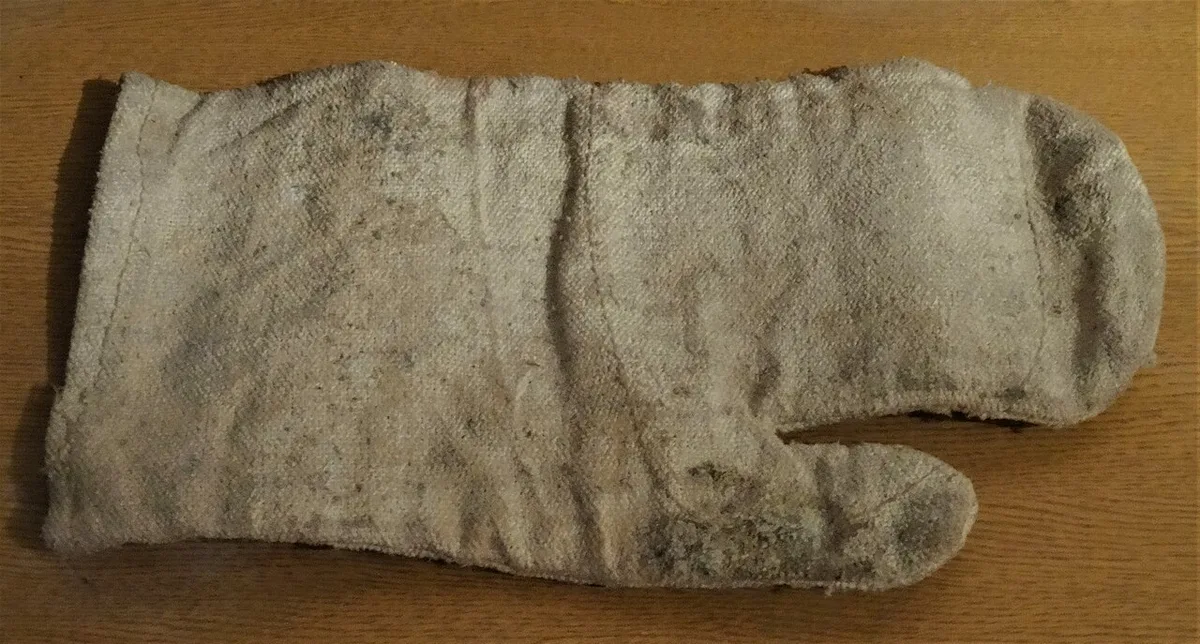
Avoiding these errors protects both you and your engine. If you notice persistent leaks or rapid level loss, schedule a professional inspection. Proper safety gear and correct fluid keep the cooling system reliable.
FAQs & Final Recommendation
How often should I check coolant on a daily driver?
Check the coolant level at least once a month and before any long trip. A quick visual inspection catches low levels before they cause overheating. If you drive in extreme heat or tow heavy loads, inspect weekly.
Can I use universal coolant in any car?
Most modern vehicles accept universal coolant, but some older models require specific formulations. Always verify the manufacturer’s recommendation in the service manual. Using the wrong type can lead to corrosion over time.
What does it mean if coolant is pink?
Pink coolant typically contains propylene glycol and is used in some Asian and European makes. It differs from green ethylene‑glycol coolant and should not be mixed. Matching the correct color prevents chemical incompatibility.
Why does my coolant level drop after a short drive?
A sudden drop often points to a leak in the radiator, hoses, or water pump. A cracked reservoir or loose cap can also cause loss. Inspect for puddles under the car and have a mechanic locate the leak.
When should I replace the entire coolant system?
Replace the coolant every 60,000 mi or three years, per most manufacturer schedules. If the fluid is discolored, has debris, or the system has leaked repeatedly, a full flush and new coolant are wise. Keeping the system fresh maintains engine efficiency.
Final recommendation: Perform the step‑by‑step check monthly, use the correct antifreeze mixture, and keep a spare bottle in your emergency kit. Knowing the recovery point location and having the right fluid on hand ensures you’re prepared for any road situation. For more on emergency preparedness, see what is car recovery point.
