
A clogged diesel particulate filter can cause warning lights and reduced fuel efficiency. The filter captures soot, and when it reaches 80% load, the engine may derate or fail. You’ll need to decide whether to clean, regenerate, or replace it.
Ignoring the issue can lead to costly turbo damage.
Per EPA 2023 testing, a clogged DPF can reduce fuel efficiency by up to 8%. This guide walks you through the decision points, cleaning methods, and cost considerations
How to Clean a Diesel Particulate Filter
Clean the filter when soot reaches 80% load. Use a pressure‑wash or ultrasonic machine for best results. If the filter is heavily clogged, replace it instead.
Always follow manufacturer specifications to avoid damage.
Problem & Decision Points – When to Clean or Regenerate
A diesel particulate filter (DPF) traps soot from exhaust. When soot load hits 80%, the filter must be cleaned or replaced. Ignoring the warning can cause engine derate or turbo failure.
Watch for these signs: illuminated DPF warning light, reduced fuel economy, and rough idle. Per EPA 2023 testing, a clogged DPF can lower fuel efficiency by up to 8% (EPA 2023 DPF guidelines).
If you have a scan tool, check the DPF differential pressure. A reading above 200 kPa usually means cleaning is needed. A reading above 300 kPa suggests replacement.
Knowing the recovery point location helps you tow safely if the vehicle won’t start (What Is Car Recovery Point).
If you lack tools or experience, schedule a professional service. Professional cleaning costs $300‑$600 and saves you time. Replacement ranges from $800 to $2,500 depending on vehicle.
Use a safe vehicle lift while working under the car (How To Build Car Ramps From Wood).
Choose the Right Cleaning Method (Decision Tree)
The cleaning method depends on soot level and available equipment. If soot is below 60%, forced regeneration often restores performance. If soot is 60‑80%, a pressure‑wash works well.
If soot exceeds 80%, an ultrasonic machine or replacement is recommended.
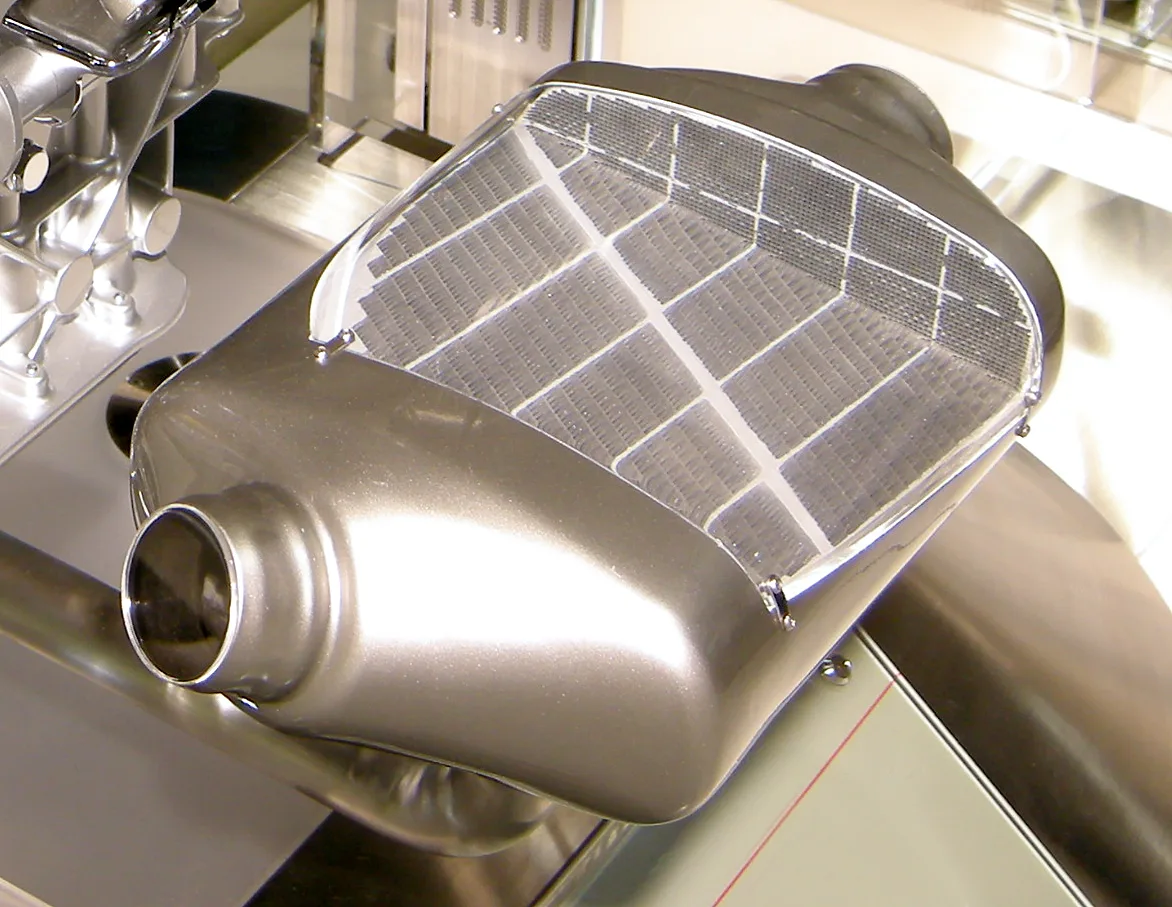
If you own a pressure washer and have a well‑ventilated area, you can clean the filter yourself. Wear gloves, goggles, and a mask. Before you start, ensure the vehicle is on a flat surface and the battery is disconnected, similar to installing accessories safely (How To Install Light Bar Without Drilling).
If you do not have the right tools, a professional service can clean the filter for $300‑$600. They use calibrated equipment and dispose of waste properly. This option also includes a post‑clean scan to verify success.
Follow Ford’s DPF cleaning guide for specific intervals (Ford DPF maintenance).
Step-by-Step Cleaning Workflow
- Verify soot load with a scan tool or OBD‑II reader. Gather safety gear: gloves, goggles, mask, and a fire‑extinguisher. Park the vehicle on a flat surface and disconnect the battery.
- If the DPF is below 60% load, perform a forced regeneration using the vehicle’s menu or a scan tool. This burns off soot and takes 10‑20 minutes. If regeneration fails, proceed to cleaning. This step mirrors the filter maintenance routine used for automatic transmissions (How To Change Automatic Transmission Fluid Filter).
- Apply a chemical DPF cleaner according to the label instructions. Spray evenly on the filter housing and let it soak for 10‑15 minutes. Rinse with a pressure washer at 1,200 psi, directing water from the outside in.
- Dry the filter completely with a clean cloth and compressed air. Reinstall the filter and reconnect the battery. Run the engine for 5 minutes and recheck the DPF reading. For detailed procedures, refer to SAE J726 DPF cleaning standard (SAE J726).
Costs, Tools & Maintenance Tips
Below is a quick cost and time overview for common DPF cleaning options.
| Option | Approx. Cost (USD) | Time (hrs) |
|---|---|---|
| Pressure‑wash kit | $150 | 1 |
| Chemical cleaner | $30 | 0.5 |
| Ultrasonic machine | $1,200 | 2 |
| Professional service | $500 | 4 |
Regular maintenance extends DPF life. Schedule a scan every 10,000 mi and clean before soot exceeds 80%. If you notice frequent regenerations, check for oil leaks or fuel system issues.
Fixing the root cause prevents unnecessary cleaning cycles. Replacement is cheaper than repeated professional cleaning when the filter is beyond repair. Keep a spare filter on hand for emergencies.
Store it in a dry place away from chemicals. As of 2026, most aftermarket filters cost $150‑$300 (How Much Is A Headlight Bulb At Autozone). For durability data, see NIST DPF test results.
FAQs
How often should I clean a diesel particulate filter?
Clean when soot load reaches 80% or the DPF light illuminates. Regular scans every 10,000 mi help you stay ahead. Ignoring the warning can cause engine damage and higher fuel costs.
Can I clean a DPF myself without special equipment?
Yes, if soot is under 80% you can use a pressure‑wash and chemical cleaner. Wear protective gear and work in a well‑ventilated area. For heavily clogged filters, a professional ultrasonic service is safer and more effective.
If you need a scan tool, consider a budget OBD‑II scanner (How To Buy Obd2 Scanner).
What are the signs a DPF needs replacement instead of cleaning?
Persistent warning light after two regeneration cycles, cracked or melted filter walls, and soot load above 90% indicate replacement. Replacement costs $800‑$2,500 depending on vehicle make. Continuing to clean a damaged filter can damage the turbo.
How much does a professional DPF cleaning cost?
Professional cleaning typically ranges from $300 to $600, including labor and disposal. Some shops include a post‑clean scan to verify performance. Compare quotes and ask if the service includes a warranty.
Do I need to replace the DPF after a chemical clean?
Not usually. A chemical clean removes soot; the filter can be reused. However, if the filter is cracked, warped, or the cleaning did not restore flow, replacement is required.
Always recheck the DPF differential pressure after cleaning.
