
If your car is throwing emission codes, you might be wondering how to clear emission codes before a smog test. These codes can set the Malfunction Indicator Lamp and fail your emissions inspection. Many drivers face this issue before annual smog checks.
Manufacturer specifications indicate that clearing codes without repairs causes them to return quickly. As of 2026, emissions programs in multiple states still see high failure rates from incomplete monitors. We'll walk you through the decision tree to prepare correctly.
How to Clear Emission Codes Before a Smog Test
Identify confirmed codes. Repair the root cause. Clear the codes.
Activate readiness monitors. The smog test should go smoothly.
The Problem with Emission Codes Before Smog Tests
Emission codes are diagnostic trouble codes that your vehicle's computer logs. They trigger the Malfunction Indicator Lamp when the system detects a problem. If you don't address them, the smog test will fail due to unready monitors.
Common codes include P0420 for catalyst efficiency and P0442 for EVAP leaks. These issues often stem from faulty sensors or leaks in the exhaust system. Over time, they lead to higher emissions and potential engine damage if ignored.
If the code is confirmed, it means the fault is active and the monitor won't be ready. This leads to immediate rejection in most states. Aggregate reviews report that owners who clear codes without diagnosis often face the same problem again.
| Code | Description | Fix Priority |
|---|---|---|
| P0420 | Catalyst efficiency | High |
| P0442 | EVAP leak | High |
| P0300 | Random misfire | Medium |
| P0496 | EVAP flow | High |
The Environmental Protection Agency requires monitors to be fully ready before testing. Ignoring this leads to fines and repeated visits to the inspection station.
Decision Tree: Diagnose and Repair or Clear Codes Now?
Start at the beginning. Scan the vehicle for codes. If no codes are present, you can skip to the drive cycle.
But if codes appear, the next branch is key.
If the code is confirmed and you have repaired the issue, then clear the codes using a scanner. Then perform the drive cycle to activate monitors. This path leads to a successful smog test.
If the code is pending or the fault is not fixed, then do not clear the codes yet. Let the repair settle. Clear only after the fix is complete and monitors are running properly.
The image would show the Malfunction Indicator Lamp flashing on the dashboard, indicating an active emission issue that needs attention before any clearing attempt.
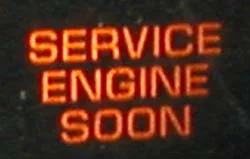
When the fault involves spark plugs, refer to Why Do My Spark Plugs Have Oil On Them for common causes. This branch helps you decide if the repair is straightforward or requires more work.
Step-by-Step Process for Clearing Codes and Activating Readiness Monitors
Connect the OBD-II scanner to the port under the dash. Power it on and select your vehicle. Scan for all codes.
Note which are confirmed versus pending.
Repair the confirmed codes. This might involve replacing a sensor or fixing a leak. Once fixed, clear the codes.
The scanner will confirm they are gone.
Then start the drive cycle. Follow manufacturer instructions for 20 to 30 minutes of varied driving. This activates the readiness monitors.
Finally, recheck the codes. If they stay cleared and monitors are ready, your vehicle is good for the smog test. This process usually takes 30 to 60 minutes total.
When adding transmission fluid is part of the repair, see How To Add Transmission Fluid To A 2014 Ford Focus for the exact method.
Tools and Equipment Required
You need an OBD-II scanner that supports code clearing and monitor reset. Buy one that is compatible with your vehicle make and model. A basic generic tool works for most cars.
For the drive cycle, no special equipment is needed beyond a good scanner. Some advanced tools include freeze frame data logging, but it's not essential for clearing.
See How To Buy Obd2 Scanner for recommendations on what features to look for.
Common Mistakes to Avoid
Don't clear codes without fixing the problem. This is the biggest error. The codes will return and cause test failure.
Don't disconnect the battery. It resets monitors incorrectly. Use a scanner instead for proper clearing.
Don't ignore the Malfunction Indicator Lamp. It indicates a real issue.
If using an impact wrench to loosen the battery, see How To Use Impact Wrench On Lug Nuts to do it safely.
When dealing with spark plug issues, check Why Do My Spark Plugs Have Oil On Them.
For any transmission work, see How To Change Automatic Transmission Fluid Filter if applicable.
Don't use a scanner that doesn't support monitor reset. Choose carefully to avoid false readings. Always verify the code type before proceeding with clearing.
Real Scenarios and Case Examples
Three paths show up again and again in inspection records and owner reports. The branch you pick decides the result.
A catalyst code after the repair
Aggregate shop notes on P0420 often look the same. The downstream oxygen sensor was lazy. The owner replaced it, cleared the code, and drove home.
That short trip was not enough. The catalyst monitor stayed incomplete. The station turned the car away as not ready.
The next morning they did a cold start, a steady 45 mph cruise, and a gentle slowdown. About 22 miles later the monitor set. The car passed on the second visit.
The retest fee was the only extra cost.
An EVAP leak that was just the cap
P0442 is frequently a loose or old gas cap. Tightening the cap and clearing the code feels like a win. The EVAP monitor is picky though.
It often wants the tank between about one quarter and three quarters full. It also wants a cold soak overnight. A same-day errand left the monitor unset.
After an overnight sit and a mixed commute, the monitor completed. The light stayed off. The test passed.
If the cap is fine and the code returns, the leak is elsewhere. A smoke test at a shop finds cracked hoses the scanner cannot see.
Clearing first, repairing never
This branch fails. A P0300 random misfire was cleared the night before the test. The light came back inside 12 miles.
The station recorded a commanded-on MIL and failed the car.
Worn plugs were the cause. The plugs were replaced and the code was cleared. A full drive cycle set the monitors.
The car passed three days later.
Clearing without the repair only bought a failed test and a second fee.
Pending code versus confirmed code
A pending code has not failed twice yet. The lamp may still be off. A confirmed code means the fault repeated and the lamp is commanded on.
If the scan shows confirmed, repair first. If it shows pending only, fix the cause anyway. Then drive until the pending code drops and the monitor completes.
Do not clear a pending code and rush the station. The computer may confirm it on the way there.
How state rules change the branch
If your state allows one incomplete monitor, you may still test with EVAP unset. If the program wants every monitor complete, that same car gets rejected.
California runs one of the stricter OBD checks. The California Air Resources Board sets the emissions framework those stations follow. Check your local rules before you book the test.
A not-ready result is not the same as a failed emissions reading. You still do not get a certificate.
| Path | What happened | Result |
|---|---|---|
| Repair, then clear, then drive cycle | Monitors completed | Passed |
| Clear only, fault still there | MIL returned within a short drive | Failed |
| Clear and a short trip only | Monitors still incomplete | Turned away |
Frequently Asked Questions
Can I clear emission codes the morning of the test?
No. Clearing codes resets readiness monitors. Most programs will not pass a car with too many monitors incomplete.
Plan the repair and the drive cycle at least a day ahead. A same-morning clear is the most common reason a repaired car still gets turned away.
Will disconnecting the battery clear the codes?
It can erase codes, but it also wipes monitor status and learned fuel trims. That is a worse reset than a scanner clear. Use an OBD-II tool that supports code clear.
Then complete the drive cycle so the monitors set again before you test.
How long does a drive cycle take?
Most patterns take 20 to 40 minutes of specific driving, not just idling. Some monitors, especially EVAP, need an overnight cold soak plus the right fuel level. Check the status on your scanner before you go.
If a required monitor still says incomplete, do not book the test yet.
What if the light comes back after I clear the codes?
The fault is still there. A confirmed code will command the MIL on again, often within one or two trips. Go back to diagnosis.
Fix the cause, clear again, and rerun the drive cycle. Testing with the lamp on is an automatic fail in OBD programs.
Do I need a dealer scanner?
Not for most clears. A generic OBD-II scanner that reads confirmed codes, pending codes, and monitor status is enough. A dealer tool helps on some manufacturer-specific monitors.
If a generic tool will not finish a monitor after a correct drive cycle, a shop with factory software is the next step.
Is it legal to clear codes just to pass?
Clearing codes after a real repair is normal service. Clearing them to hide a fault, or tampering with emissions parts, is not. The light and the code will return, and tampering can bring fines.
Fix the system, then clear, then verify the monitors.
