
When you drive on the highway, how does lane keep assist work to keep you safe? It monitors the road and assists with steering if you start to drift. But it's not magic, and getting the details wrong can be dangerous.
Manufacturer specs confirm the system activates around 55 to 60 mph. Per data from the Insurance Institute for Highway Safety, these features help reduce lane departures. But you must stay alert and ready to take over at any moment.
In our research, drivers report better focus on long commutes with this technology as of 2026. We'll explore the risks, how it works, and the mistakes to avoid.
How Does Lane Keep Assist Work
Lane keep assist uses a camera to watch the road. It detects lane lines in real time. The system applies steering corrections.
You can take over anytime. Always supervise the system.
Why Lane Keep Assist Matters: The Safety Risks You Can't Ignore
Lane keep assist forms part of advanced driver assistance systems meant to enhance safety on the road. Yet if you misunderstand its limits, you risk over-relying on it and end up in trouble. The National Highway Traffic Safety Administration emphasizes that drivers must stay in complete control at all times.
If you remove your hands from the wheel, the feature disengages right away. Many crashes happen when people assume the technology takes over everything. As of 2026, with more vehicles equipped, grasping these risks protects every driver on the highway.
Common pain points include false positives in construction zones or heavy rain. These limitations mean you cannot simply sit back. The Insurance Institute for Highway Safety reports solid performance on clear roads but weaker results in poor visibility.
Always prepare to take control. This knowledge stops you from viewing the feature as a complete substitute for your driving skills.
How Lane Keep Assist Works: Core Components and Mechanics
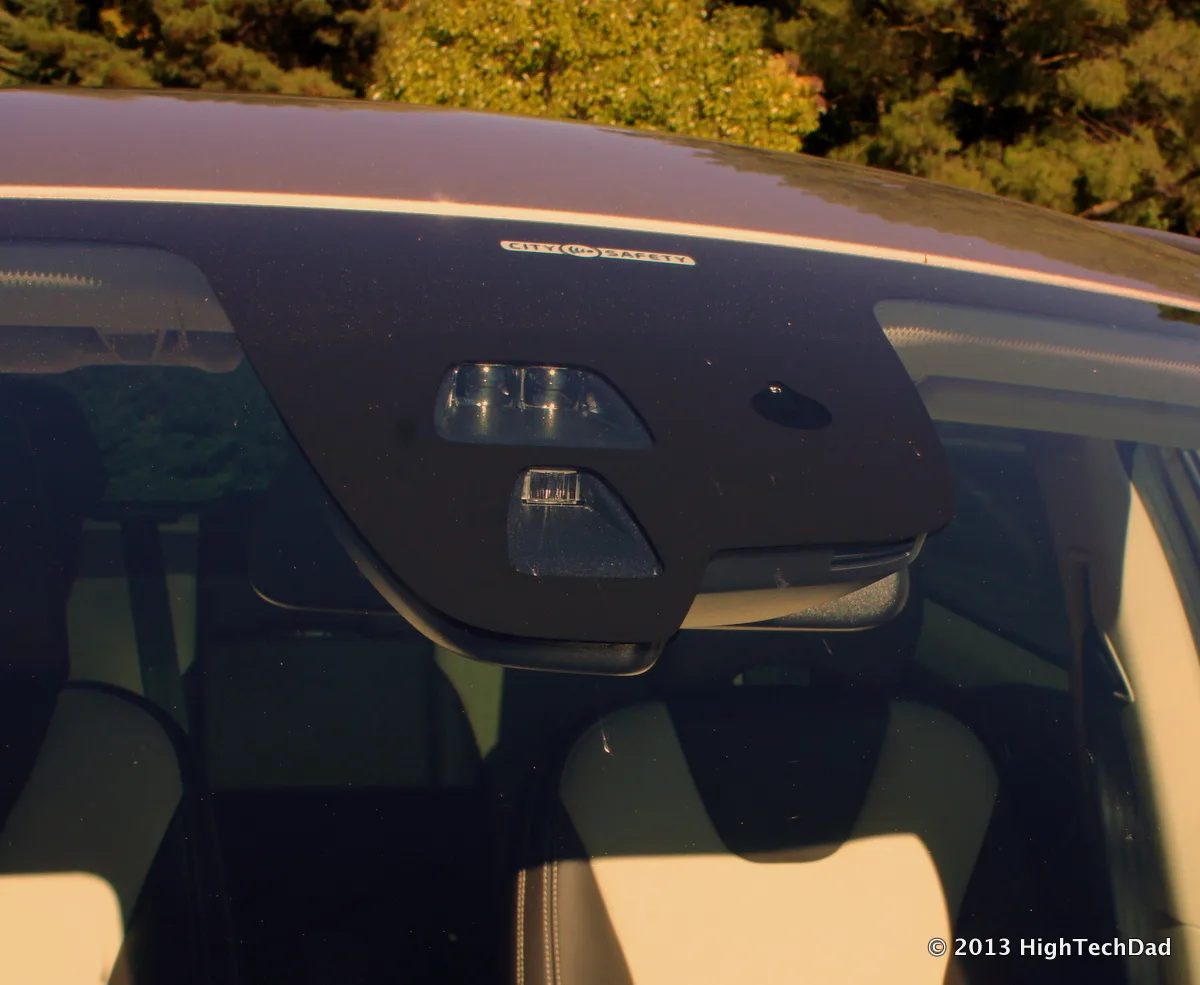
Lane keep assist operates through a mix of sensors and software that work together for reliable lane monitoring. The forward-facing camera serves as the main tool for spotting lane markings. It snaps photos of the road ahead and runs them through sophisticated algorithms that identify lines even on curved paths.
Radar and ultrasonic sensors join the camera in sensor fusion to boost accuracy across varying light and weather. The system then measures any drift and directs torque to the steering wheel. This process finishes in under 0.5 seconds so corrections feel natural.
- Forward-facing camera
- Radar sensors
- Ultrasonic sensors
- Lane detection algorithms
- Steering torque control
You should know the camera needs clean conditions to function properly. Regular maintenance ensures it performs as intended. These components work together in sensor fusion to provide reliable performance.
But they have limitations too. For example, the system struggles with faded markings or construction barriers. Knowing the full process helps you use it safely.
The process starts when you enable it through the vehicle's infotainment system. Clean the lens often and check for any debris that might block the view.
When Lane Keep Assist Works Best: Real Use Cases and Driver Profiles
Lane keep assist performs best on multi-lane highways and during long-distance drives where fatigue sets in. It suits drivers who experience drowsiness on extended commutes and need gentle steering help to stay centered. The system shines when you get distracted by other tasks like checking maps or adjusting climate controls.
Many new vehicles come with lane keep assist as standard in Level 2 ADAS packages. It works especially well on roads with fresh, clear lane markings that provide strong visual cues. However, it stays less effective in construction zones or areas with faded lines.
If you commute several hours on the interstate each day, this feature eases mental load and promotes focus. Yet it does not replace experienced drivers in tough environments like heavy snow or night driving. Profiles that benefit most include highway commuters and families on road trips who want extra safety without constant effort.
Common Mistakes That Could Turn Lane Keep Assist Into a Hazard
One major mistake involves assuming the system will handle every lane-keeping duty for you. You might take your hands off the wheel or glance away from the road. This approach proves dangerous because the feature demands your constant supervision.
Another error comes from ignoring limitations during bad weather. Lane keep assist can disengage suddenly in heavy rain or fog, leaving you unprepared. Some drivers turn it off in construction zones, which shows smart judgment.
Always check the dashboard for status before long trips. Ignoring alerts or trusting the technology too much can lead to accidents. The right mindset treats it as a helpful tool instead of an autopilot.
Check your side window deflectors before each drive. Maintain the correct transmission fluid level to keep all electronics running smoothly. Use the right size windshield wipers so you always have clear forward vision.
Place your hands on the steering wheel when the system engages. Test hybrid wiper blades to ensure maximum visibility in all conditions. These small habits prevent the feature from becoming a hazard.
Lane Keep Assist FAQs and Expert Safety Checklist
How reliable is lane keep assist in different conditions?
It performs best on clear highways but struggles in rain or snow. Sensor fusion helps but does not remove all risks. Always have a backup plan for sudden disengagements.
What should I do if the system disengages unexpectedly?
Take immediate control of the steering. Check for any obstructions or issues with the camera. Most systems notify you on the dashboard with clear warnings.
Can I use lane keep assist on all roads?
No, it requires proper lane markings and highway speeds. It will not work on city streets or unpaved roads where markings vanish.
Is it safe to rely on lane keep assist for long periods?
Only if you remain attentive at all times. Studies show distraction remains a major factor in crashes. Never use it as a full replacement for driving.
What maintenance tips help the system last longer?
Clean the camera lens regularly with a soft cloth. Update software when available through your dealer. Avoid parking in areas where debris can block sensors or radar.
