
Choosing between hydraulic and electric power steering can make or break your decision on a car purchase or repair.
Hydraulic vs electric power steering refers to the two main technologies that assist with steering effort.
Older vehicles often use hydraulic systems while newer ones have switched to electric for better performance and lower costs.
Manufacturer specifications indicate electric steering reduces engine load by up to 15 percent in many applications.
As of 2026 this shift continues across most car lines.
Hydraulic vs Electric Power Steering
Hydraulic power steering uses pressurized fluid to assist steering.
Electric power steering relies on a motor and sensors for the same help.
The hydraulic version requires regular fluid checks and can leak over time.
Electric versions are cleaner and more efficient overall.
Both keep the mechanical link to the wheels for safety.
Why Hydraulic vs Electric Steering Still Changes the Car
This comparison still matters because many cars on the road use one or the other.
You need to know which type your vehicle has before buying or repairing.
Older models often have hydraulic systems that require more maintenance.
Newer ones use electric for improved fuel economy and less underhood clutter.
If you're considering a repair the cost and parts availability differ greatly between the two.
For example whether tie rod ends are worth it depends on whether the car is hydraulic or electric.
Using an obd2 scanner to diagnose issues helps identify problems faster in either system.
Checking the power steering fluid level is similar to adding transmission fluid in some vehicles.
Adjusting where you place your hands on the steering wheel can reveal if the assist feels consistent.
Using an impact wrench on lug nuts during any underhood work prepares the car for service.
How the Pump, the Motor, and Electro-Hydraulic Assist Work
Hydraulic power steering draws power from the engine through a pump and pulley.
It sends fluid through high-pressure and return hoses to the rack.
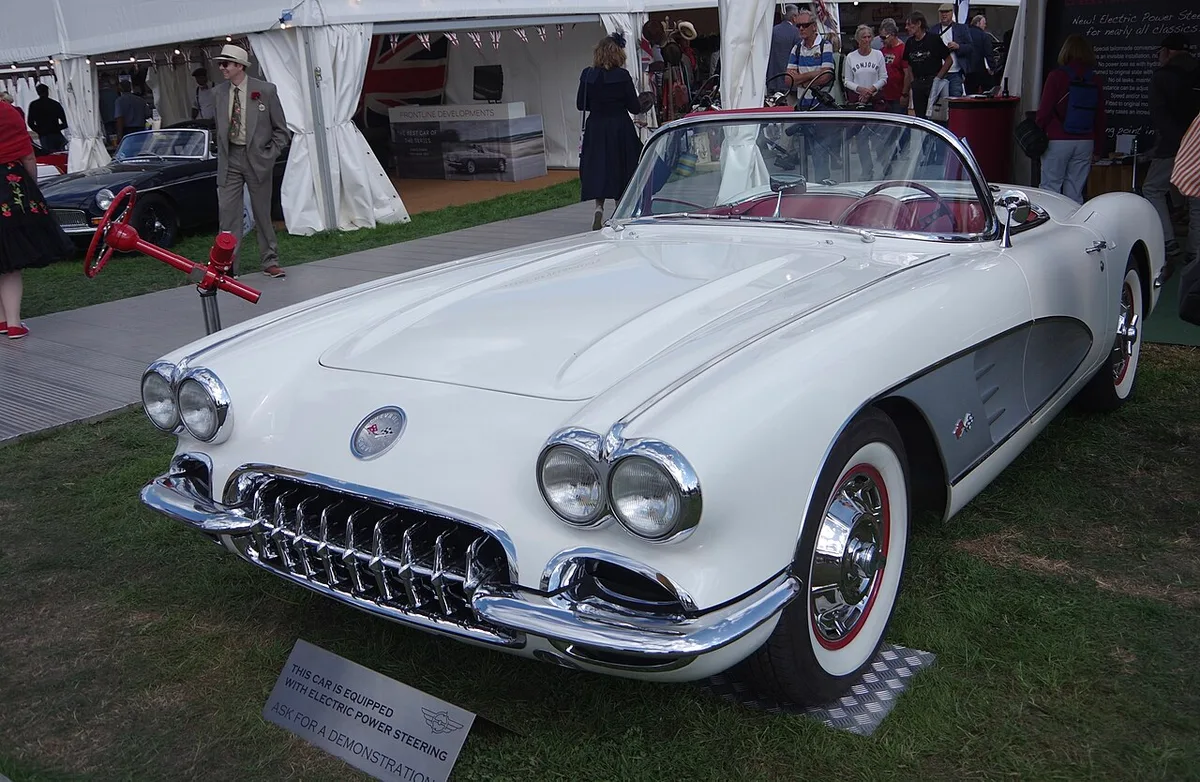
Electric power steering uses a motor mounted on the column pinion or rack.
Torque sensors and the control module adjust assist based on speed and driver input.
Electro-hydraulic systems combine both for better efficiency in some setups.
Feel, Efficiency, Failures, and What Repairs Cost
Hydraulic systems give strong continuous assist with familiar road feel.
Electric systems offer lighter parking effort and firmer highway response.
Common hydraulic failures include leaks at seals hoses and the pump.
Electric failures show up as warning lights and sudden heavy steering.
Repair costs split between a hose or pump on hydraulic cars versus a rack motor or module on electric ones.
Per NHTSA guidelines sudden loss of assist should not be ignored.
Functional safety follows ISO standards for electronic systems.
Which System Fits Your Driving and the Car You Own
Choose hydraulic if you want strong sustained assist for towing or performance driving.
Pick electric for daily commuters who value fuel efficiency and low maintenance.
Hydraulic works well in cold climates where fluid thickens but assist stays consistent.
Electric systems cut current draw during start-stop conditions.
If your car has heavy steering or leaks go hydraulic first.
If you see a warning light or want to avoid fluid service go electric.
The right choice depends on your vehicle's age driving habits and repair budget.
