
The choice between run flat vs regular tires often leaves drivers unsure about their next move. Regular tires need a spare and roadside assistance after a flat, while run-flats allow you to drive to safety. This decision changes your vehicle's design and your comfort on the road.
Manufacturer specifications indicate a 50-mile safe range for run-flats at 55 mph, per FMVSS standards.
Run Flat vs Regular Tires
Run flat vs regular tires differ mainly in sidewall strength and emergency driving. Run-flats have reinforced sidewalls. You can drive 50 miles at 55 mph on a flat run-flat.
Regular tires deflate completely and need immediate repair. They offer no such emergency flexibility. This setup lets you decide based on your situation.
Aggregate reviews report that many drivers split on this exact topic after weighing their daily routes against the risks of a sudden flat.
Why Run-Flats and Regular Tires Split Drivers
Drivers split on run flat vs regular tires because their needs differ sharply. If your car is a coupe or hatchback with limited trunk space, run-flats become the practical choice. You skip the spare tire and jack entirely.
Regular tires work fine if you park near shops or carry an inflator. On long rural trips, run-flats reduce worry about getting stuck. OEM run-flats suit European performance cars while aftermarket versions fit most US vehicles.
The split also ties into TPMS sensor integration that warns you when pressure drops.
If you're planning to change tires often, remember the cost of lug nuts. When mounting, use an impact wrench as explained in related guides. For recovery, know the car recovery point.
Building car ramps from wood can help if you need to lift the car. These steps make the decision clearer once you match the tire type to your driving conditions.
How Reinforced Sidewalls Change a Flat
Reinforced sidewalls let run-flat tires stay drivable after damage. A stiffener ring or foam insert holds the tire shape so it keeps air pressure. You drive to a repair shop without swapping to a spare.
The sidewall rating stays high, often XL or ZR, matching regular tire load indexes. Temperature sensitivity still applies in hot climates, so watch for overheating signs. TPMS sensors alert you early to the flat condition.
This technology solves the old problem of waiting for roadside help on highways or mountain roads.

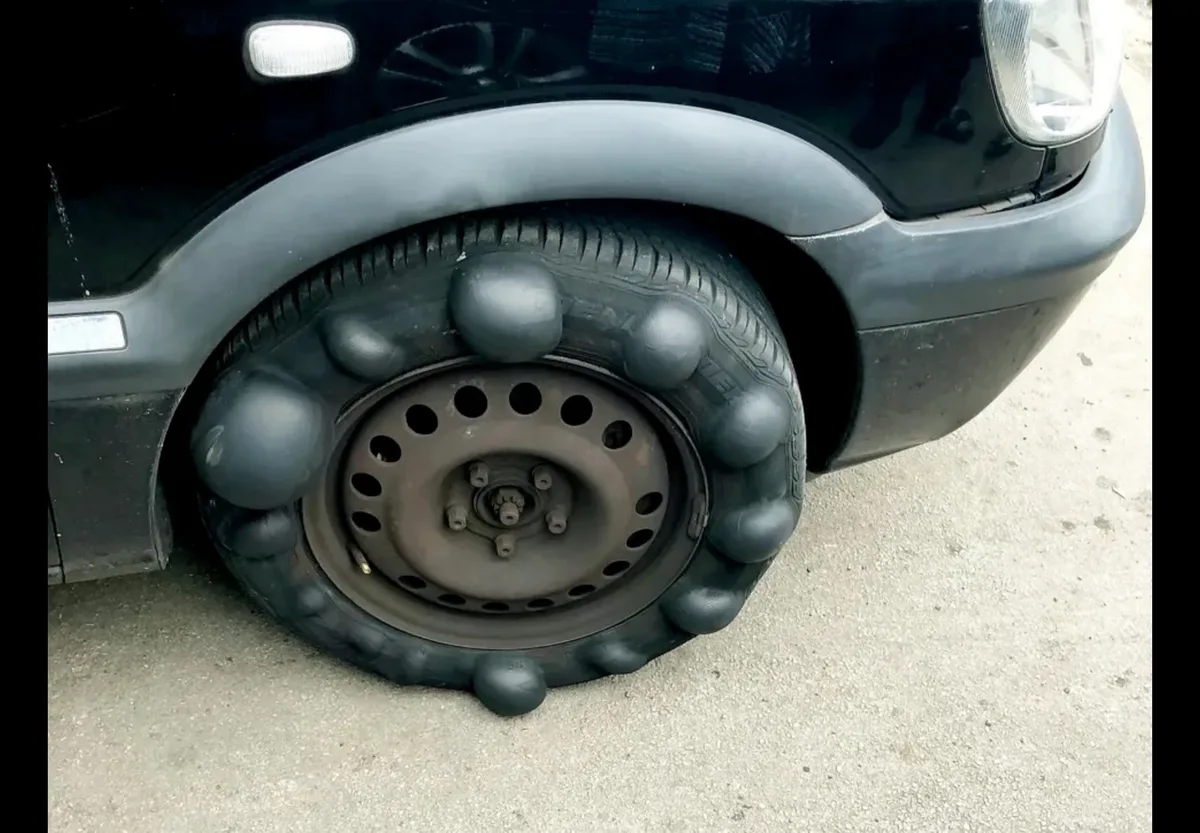
Run-flats add weight per tire, usually five to fifteen pounds. That slight increase shows up in fuel economy but pays off when you avoid roadside calls. Sidewall markings tell you these are run-flats right from the start.
Run-Flat vs Regular Tires on Range, Ride, and Cost
Run-flats limit you to fifty miles after a puncture at fifty-five mph. Regular tires let you drive as far as the road goes once you fix the leak. Ride quality suffers with run-flats because the stiff sidewalls transmit more road noise and vibration.
Comfort drops noticeably on long trips, though some designs improve this with better compounds. Cost runs one hundred to three hundred dollars higher per tire for run-flats. You save on the spare tire, jack, and storage space that regular tires require.
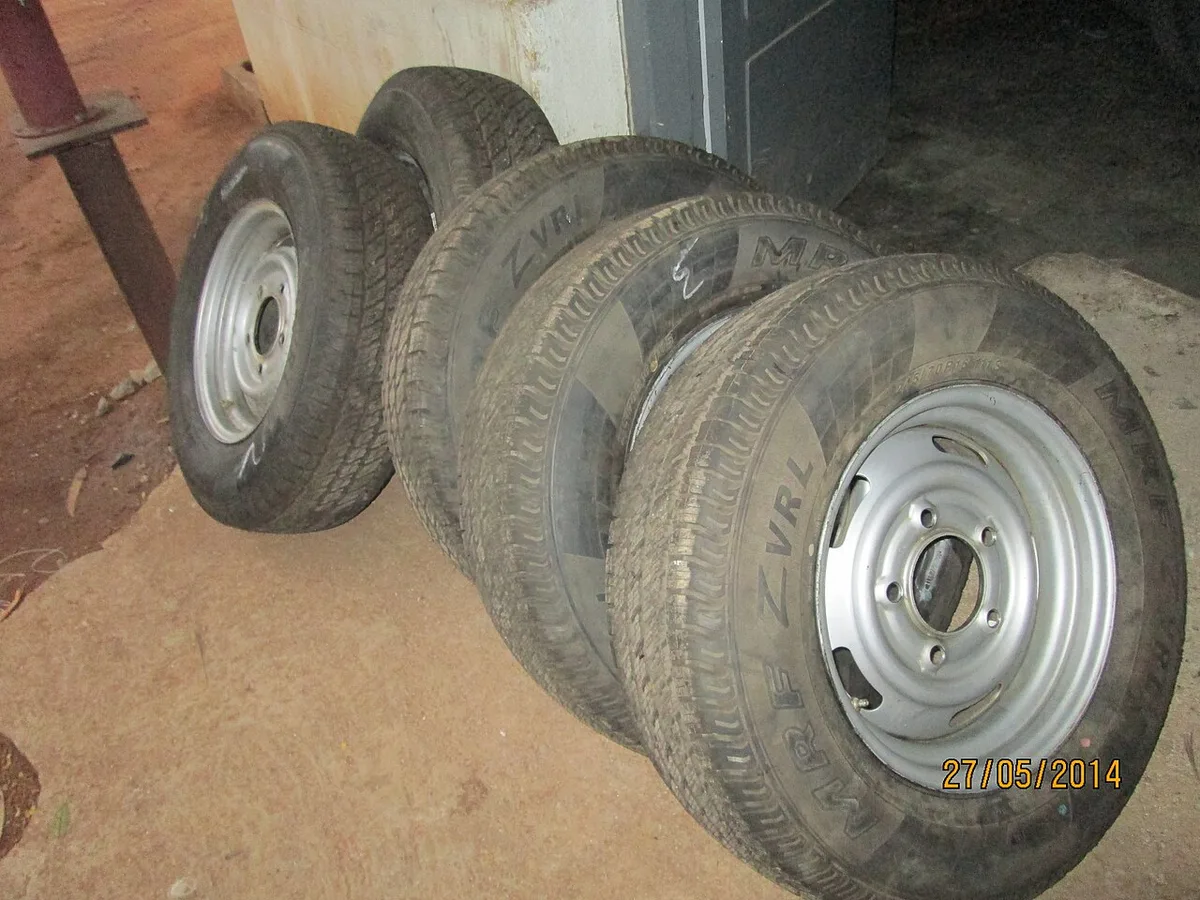
Fuel economy drops five to ten percent with run-flats due to higher rolling resistance. Noise levels rise three to five decibels in aggregate reviews. These trade-offs matter most if you track your monthly driving miles or live in a warm climate where heat affects performance.
Which Tire Fits Your Car and Driving
Run-flats fit your car when it lacks spare tire space or you face rural highways. Coupes and convertibles often need them to avoid towing a damaged vehicle. Performance cars benefit from low-profile run-flats that maintain handling.
Daily commuters on city streets may stick with regular tires for softer rides and better fuel numbers. Rural drivers or those who travel alone choose run-flats for the peace of mind during unexpected flats.

Match your vehicle's load index and speed rating to the run-flat option. Check OEM tires first if your model came with them from the factory. Aftermarket versions work for most sedans and SUVs but test load limits before long trips.
Always verify compatibility with your TPMS system before installation.
