
If you’ve ever wondered how to drive a manual car, you’re not alone. Many drivers find the clutch and gear lever intimidating at first. This guide breaks it down step by step.
You’ll learn the basics and avoid common pitfalls.
Per SAE J1228, the standard clutch pedal travel should be 30, 40 mm for proper engagement. As of 2026, manuals still make up about 70 % of new cars in Europe, where drivers rely on them daily. Understanding the bite point and gear ratios is essential for smooth shifts.
Let’s start with why the manual still matters.
How to Drive a Manual Car
Press the clutch pedal fully. Shift into first gear. Release the clutch to the bite point while adding gentle throttle.
Release the brake and move forward. Repeat for higher gears.
Problem & Why It Matters
Manuals can stall at low RPM, especially on hills. Finding the bite point takes practice, but it’s the key to smooth starts. Drivers often grind gears when they miss the synchro window.
If the engine won’t catch after a cold start, a quick spray of starting aid can help. Proper hand placement and steady throttle prevent jerky shifts.
How a Manual Transmission Works
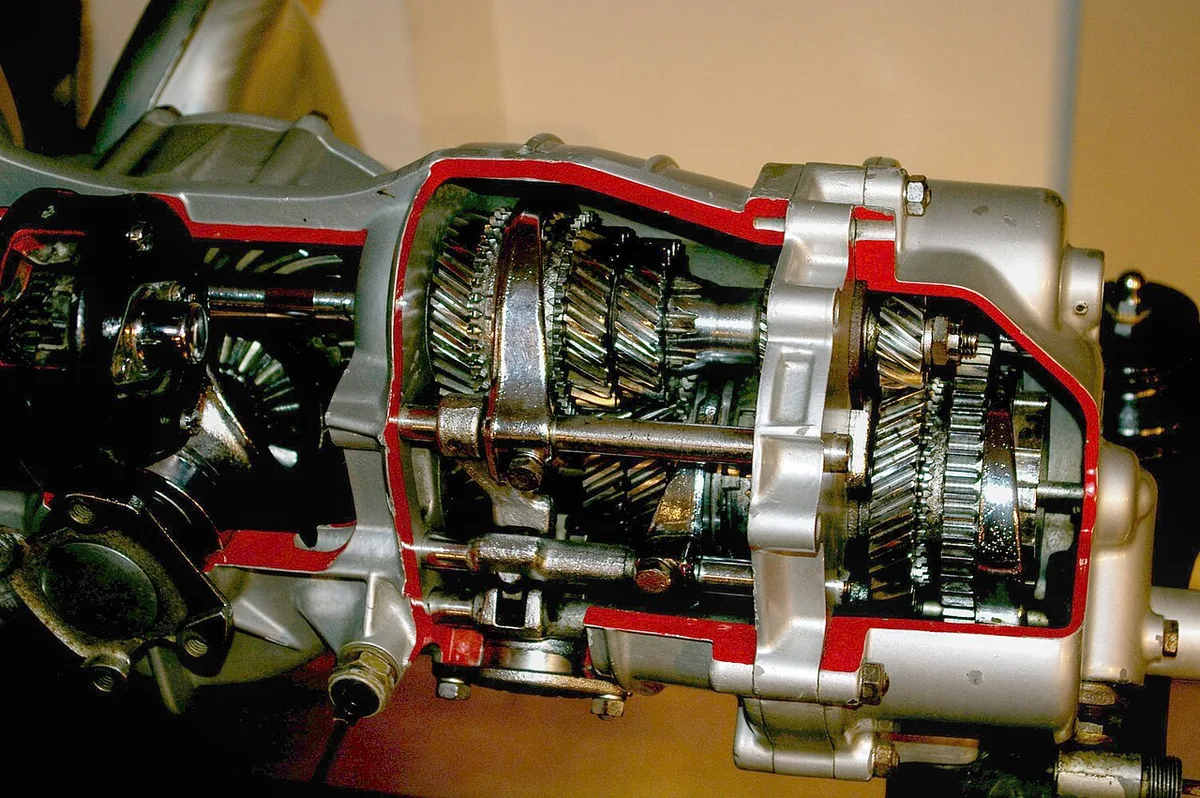
A manual transmission uses a clutch disc, pressure plate, and flywheel to engage and disengage engine power. Gear ratios let the driver select the right torque for speed and terrain. Synchros match engine and gear speeds for seamless shifts.
For detailed specifications, see SAE J1228. Before each long trip, checking fluid level ensures smooth shifts.
Step-by-Step Driving Process
- Start the engine with the clutch fully depressed.
- Place the gear lever in neutral, then press the clutch again.
- Shift into first gear and release the clutch slowly until you feel the bite point.
- Add gentle throttle while fully releasing the clutch to move forward.
- For upshifts, press the clutch, move the lever to the next gear, and release smoothly.
- For downshifts, press the clutch, blip the throttle to match revs, then shift and release.
- On hills, hold the brake, release the clutch to the bite point, add throttle, then release the brake.
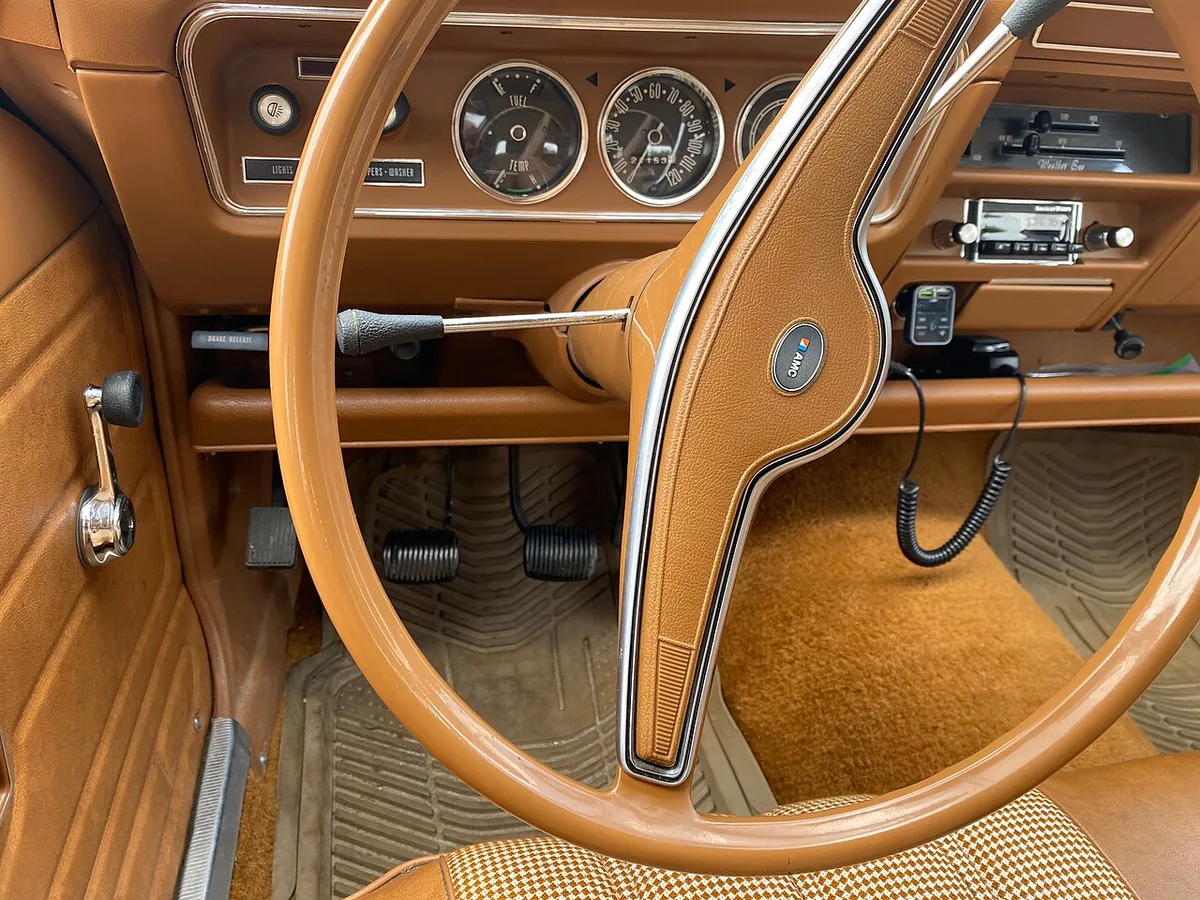
Keep proper hand position on the wheel for safety. For hill practice, use ramps to build confidence.
Mistakes to Avoid & Safety Rules
- Never ride the clutch; it causes premature wear.
- Avoid shifting without pressing the clutch fully.
- Don’t shift into gear without matching revs on downshifts.
- Always wear a seat belt; it’s required by law in most regions.
- Check that the handbrake is engaged before starting on a slope.
- Tightening lug nuts to the correct torque prevents wheel wobble.
Frequently Asked Questions
How long does it take to learn manual driving?
Most drivers become comfortable after 10, 20 hours of practice, depending on daily use.
Does a manual save fuel compared to an automatic?
Yes, manuals typically deliver 3, 5 % better fuel economy on comparable models.
What should I do if the clutch pedal feels spongy?
Check for air in the hydraulic line, inspect the clutch master cylinder, and ensure proper free‑play adjustment.
Can I drive a manual in heavy traffic?
Yes, but use low gears and smooth throttle to avoid frequent stalling.
Is a manual harder to sell later?
In markets like Europe, manuals retain value well; in the U.S., demand is lower but still present among enthusiasts.
