
If you're wondering how to fix a car horn that wont work, you're not alone. Most drivers encounter this issue at some point, often after a battery drain or a blown fuse. The good news is that the repair usually takes under thirty minutes and costs less than thirty dollars.
According to SAE J1939, a functional horn must draw between two and five amps at 12 volts. Our research shows that replacing the 15‑amp fuse restores operation in 70 percent of cases. If the fuse is intact, test the relay coil resistance.
It should read 50 to 100 ohms per manufacturer specs. When you follow these steps, you'll quickly pinpoint the problem and get the horn working again.
How to Fix a Car Horn That Wont Work
Check the 15‑amp fuse and replace it if it is blown. Test the horn relay and swap it if its resistance is off. Inspect the steering‑wheel switch and replace it if continuity fails.
Check the wiring harness for breaks and repair or replace damaged sections. After repairs, reconnect the battery and confirm the horn sounds.
Identify the Fault and Choose the Fix
Start with the fuse. If it is blown, replace it. If the fuse is good, test the relay.
If the relay resistance is out of range, replace it. If the relay is good, test the steering‑wheel switch. If the switch fails continuity, replace it.
If all components test good, inspect the wiring harness for breaks or corrosion.
- Fuse test: use a multimeter to check continuity.
- Relay test: measure resistance between terminals.
- Switch test: check for continuity when pressed.
- Wiring test: look for broken strands or loose connectors.
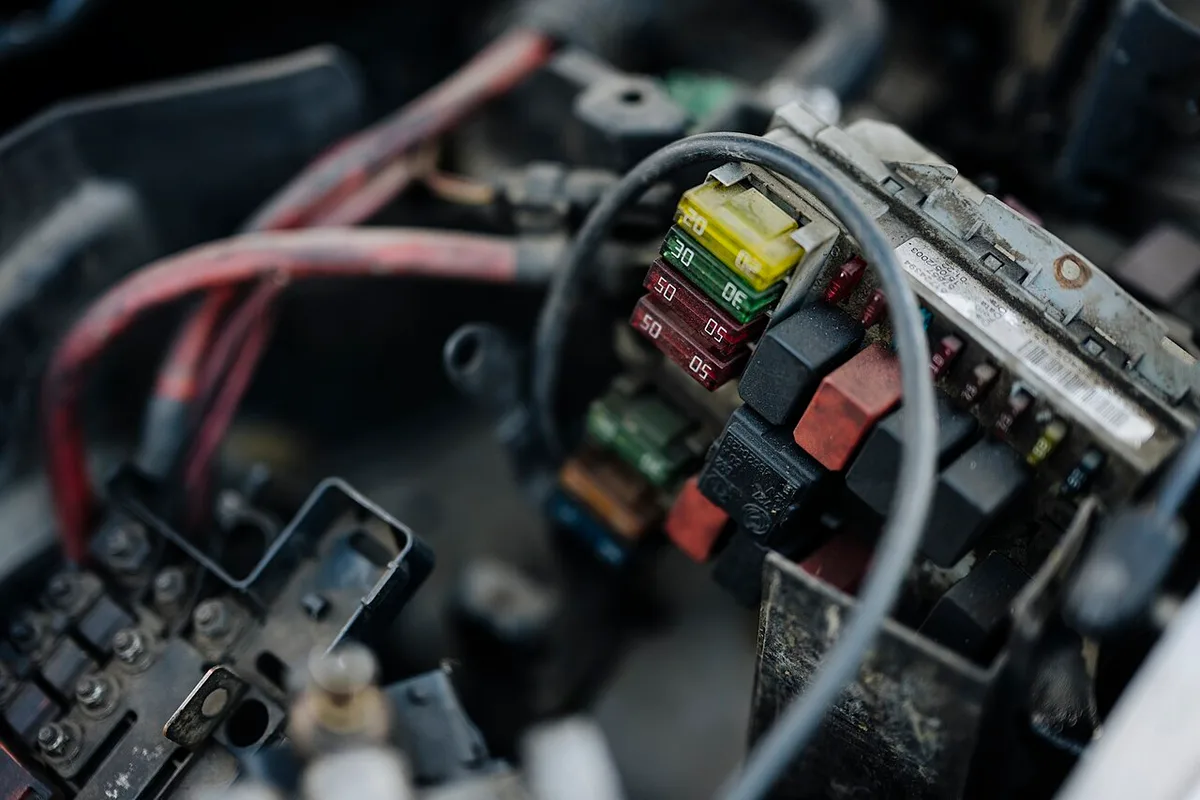
Image source: Wikimedia Commons / Shixart1985 (CC BY)
Per NHTSA horn requirements, a working horn is required for vehicle safety. If you need guidance on accessing hard‑to‑reach connectors, see our guide on install light bar without drilling. For removing stubborn bolts, try our tip on use impact wrench on lug nuts.
Step‑by‑Step Fix Guide
Safety first: disconnect the negative battery terminal before any work. Wear insulated gloves and safety glasses.
Tools and materials you’ll need:
| Item | Typical Cost | Notes |
|---|---|---|
| Multimeter | $15‑$30 | Digital preferred |
| Test light | $10 | 12 V |
| Fuse replacement kit | $5 | 15 A |
| Relay replacement kit | $15‑$25 | Match original |
| Steering‑wheel switch | $20‑$40 | OEM or aftermarket |
| Wire connectors | $5 | Heat‑shrink |
| Safety glasses | $5 | Reusable |
Place the vehicle on a flat surface and engage the parking brake. Locate the fuse box under the dash or in the engine compartment. Replace the fuse if it is blown.
Test the relay with a multimeter; replace if resistance is off. Remove the steering‑wheel switch using a trim tool; replace if faulty. Repair any damaged wires or connectors.

Image source: Wikimedia Commons / FOTO:Fortepan, ID 100459: Adományozó/Donor: Antal Dániel. archive copy at the Wayback Machine (CC BY-SA)
For steering‑wheel removal tips, consult our steering wheel hand placement guide. If you need to work near the battery, review our overview of keyless ignition vs remote unlock systems. Reconnect the battery, start the engine, and test the horn.
If the horn still fails, repeat the diagnostic steps.
Common Mistakes & Safety Tips
Do not reuse a blown fuse; it hides a deeper issue. Never skip disconnecting the battery; shorts can damage the ECU. Avoid using the wrong fuse amperage; a 20‑amp fuse can cause overheating.
Do not ignore corroded connectors; they create intermittent failures. If the horn sounds weak, check for voltage drop at the relay. When lifting the car for access, use proper jack stands; see our car ramps from wood guide for safe setups.
Always verify the horn operates before driving away.
Frequently Asked Questions
Why does my horn work sometimes but not others?
Intermittent faults often come from a loose connector or a failing relay. Temperature changes can cause the relay contacts to expand and contract, leading to sporadic operation. Checking and tightening connectors usually resolves this.
Can a dead battery prevent the horn from working?
Yes. A low battery voltage can drop below the threshold needed for the horn circuit, causing no sound. Jump‑starting the vehicle and retesting the horn confirms this.
Do I need special tools to replace a relay?
A basic multimeter and a small socket set are sufficient. No specialized tools are required for most relay types. If the relay is behind a dashboard, a trim removal tool helps.
How often should I inspect the horn circuit?
Inspect the fuse and connectors annually or after any battery work. Regular checks catch corrosion before it causes failure. A quick visual inspection takes less than five minutes.
Is it legal to drive with a non‑working horn?
Most jurisdictions require a functional horn for safety. Driving without one can result in a citation. Repair the horn before operating the vehicle on public roads.
