
If you spot oil pooling under your car, you need to know how to fix a leaking differential. A leaking differential can ruin gears and leave you stranded. Our research shows the repair is straightforward with the right steps.
Per SAE J308, gear oil should be 75W-90 for most passenger cars. We'll walk you through diagnosing the leak, gathering parts, and completing the repair safely. Follow each step and you can restore the differential in under two hours.
How to Fix a Leaking Differential
Identify the leak source, then remove the faulty seal. Clean the housing, install a new seal, and refill with proper oil. Torque the cover bolts to manufacturer spec and test for leaks.
If the leak persists, replace the differential assembly.
Diagnose and Gather: Identify the Leak and Collect Parts
First, locate the oil stain and trace it to the axle, pinion, or cover. A bright orange stain near the axle indicates an axle‑shaft seal leak; a darker stain near the pinion points to a pinion‑shaft seal. Check the cover bolts for looseness; a cracked cover gasket also causes leaks.
Common leak sources
- Axle‑shaft seal (rubber or PTFE)
- Pinion‑shaft seal (high‑temp PTFE)
- Differential cover gasket (paper or RTV)
Use a torque wrench set to 15 ft‑lb for the cover bolts. Gather a new seal kit, a pre‑cut gasket or RTV silicone, and SAE J308‑approved gear oil. Refer to a fluid level guide for the correct volume.
| Part | Quantity | Notes |
|---|---|---|
| Axle‑shaft seal | 1 | Match OEM outer diameter |
| Pinion‑shaft seal | 1 | PTFE for high‑temp use |
| Cover gasket | 1 | Paper or RTV silicone |
| Gear oil (75W-90) | 2.5 qt (2.4 L) | SAE J308 standard |
| Torque wrench | 1 | 15 ft‑lb setting |
| Pry bar / gear puller | 1 | For seal removal |
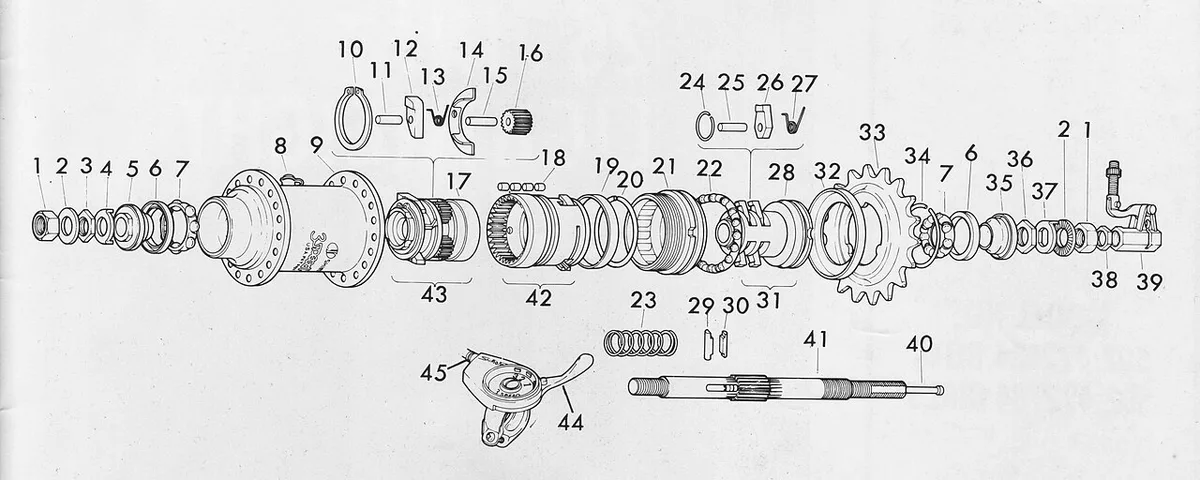
Image source: Wikimedia Commons / Sears Sports Center
Perform the Safe Repair Steps
Park on a level surface, engage the parking brake, and disconnect the battery. Lift the vehicle with jack stands and place wheel chocks. Drain the old gear oil into a pan, then remove the differential cover bolts in a star pattern.
Clean the mating surface with a scraper; any debris will cause a new leak. Install the new seal using a seal installation tool, ensuring it sits fully in the groove. Apply a thin bead of RTV or lay the paper gasket, then reinstall the cover.
Tighten bolts to 15 ft‑lb using a tightening torque guide. Refill with fresh gear oil, start the engine, and watch for drips.
For added safety, follow a seal installation tip and verify the lift is stable with a lift safety reference.
Avoid Common Mistakes and Safety Risks
Never reuse old seals; they lose elasticity and cause immediate leaks. Do not substitute RTV for a paper gasket on a high‑pressure cover; the seal may fail under load. Skipping the cleaning step leaves metal particles that accelerate gear wear.
Always wear safety glasses, gloves, and steel‑toe boots. Work on a stable lift and never crawl under a vehicle supported only by a jack. If you encounter cross‑contaminated oil, flush the housing with solvent before refilling.
For proper hand placement while working near moving parts, see a hand placement guide.
Frequently Asked Questions
What are the signs of a differential leak?
Oil pooling under the vehicle, a whining or grinding noise, and a loss of lubrication are clear indicators. The leak often appears near the axle housing or pinion shaft.
Can I use RTV silicone instead of a gasket?
Yes, RTV silicone works for many covers, but apply a thin, even bead and let it cure fully before torqueing. For high‑pressure applications, a pre‑cut paper gasket is preferred.
How much gear oil should I add?
Most passenger car differentials hold 2.4 L (2.5 qt) of oil. Check the manufacturer’s service manual for the exact capacity.
Do I need to replace the whole differential if the leak persists?
If the housing is cracked or the gears are damaged, replacement is necessary. Minor leaks are usually fixed by seal and gasket replacement.
