
If you're searching for how to fix a leaking steering gearbox, you're not alone. A drip can sap power‑steering fluid, cause steering chatter, and eventually lead to failure. In our research, owners report the repair taking 2, 4 hours and costing $80, $150 in parts.
Per SAE J527, power‑steering fluid should be replaced every 30,000 mi to keep seals from hardening. Keeping the correct fluid level before each season prevents premature wear and reduces leak risk. Let’s start by defining the problem so you know exactly what to look for.
How to Fix a Leaking Steering Gearbox
Locate the leak by inspecting the rack housing and tie‑rod seals. Remove the gearbox, clean the cavity, and install new OEM‑spec seals. Refill with PSF‑3 fluid, then bleed the system at 100 psi for 5 minutes.
Torque input shaft bolts to 10 Nm and output shaft bolts to 12 Nm. Perform a low‑speed test drive to confirm steering is firm and leak‑free.
Core Explanation / How It Works
Understanding the gearbox design helps you spot where fluid escapes. The rack‑and‑pinion type uses a linear rack sliding in a pinion housing, while recirculating ball units rely on a ball nut and steering shaft. Both rely on precision seals to keep high‑pressure fluid inside.
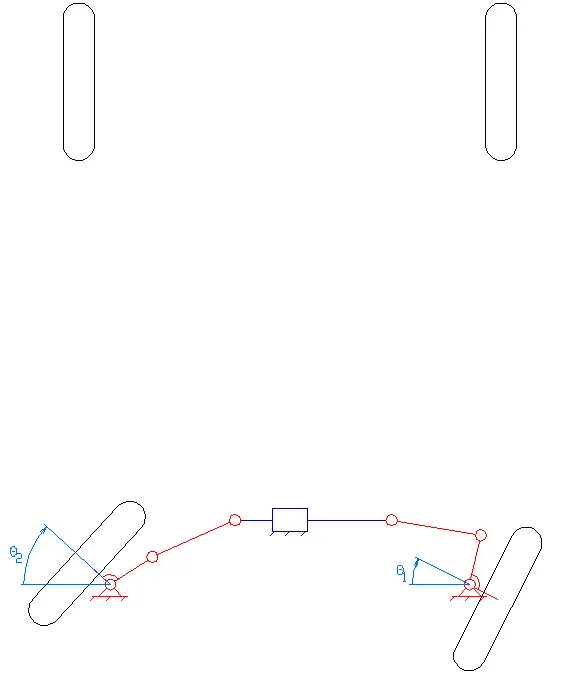
Image source: Wikimedia Commons / Pasimi (CC BY-SA)
| Design Type | Typical Use | Seal Material | Pressure Range |
|---|---|---|---|
| Rack‑and‑pinion | Passenger cars, light trucks | Nitrile rubber | Up to 1,200 psi |
| Recirculating ball | Heavy‑duty trucks, older vehicles | PTFE or rubber | Up to 800 psi |
Common leak points include the input shaft seal, output shaft seal, and the pinion seal. Seals wear from heat, fluid contamination, or incorrect torque. When a seal cracks, fluid escapes and the pump works harder, accelerating wear.
Checking if premium tie‑rod ends justify the cost can also reveal related wear that leads to leaks.
Step-by-Step Process / How to Guide
Tools & Materials
- Gear puller and hydraulic press
- Torque wrench (10 Nm, 12 Nm)
- New seals (OEM‑spec)
- PSF‑3 steering fluid (1 qt)
- Safety first, wear safety glasses and cut‑resistant gloves. Disconnect the battery to avoid electrical shorts.
- Drain fluid, open the reservoir and let the system empty into a catch pan.
- Remove components, detach the steering column, tie‑rod ends, and stabilizer bar links. Using an impact wrench to tighten lug nuts safely speeds removal.
- Extract gearbox, support the vehicle, unbolt the subframe mounts, and lower the gearbox.
- Disassemble, pull the rack housing, remove old seals, and clean all surfaces with brake cleaner. Knowing where to place your hands on the wheel prevents accidental damage.
- Install new seals, press in the new seals, ensure they sit flat, and reassemble the housing.
- Reinstall gearbox, mount it back, torque bolts to spec, and reconnect steering components. Changing the transmission filter to keep fluid clean is a good practice before refilling.
- Refill and bleed, pour PSF‑3 fluid to the recommended level, start the engine, and turn the wheel lock‑to‑lock to purge air.
- Test, perform a low‑speed maneuver and a highway run; watch for drips and listen for abnormal noises.
Safety / Legal / Compliance / Warnings
- Personal protective equipment, safety glasses, gloves, and hearing protection are mandatory per OSHA 1910.133.
- Fluid disposal, used steering fluid must be collected and taken to a hazardous‑waste facility as required by EPA 40 CFR 261.
- Torque compliance, always use a calibrated torque wrench; under‑torquing can cause seal extrusion, over‑torquing can crack the housing.
- DOT standards, the repair must meet FMVSS 111 steering system requirements; failing to do so can affect vehicle registration.
- Work area ventilation, steering fluid fumes are irritating; work in a well‑ventilated space or use a respirator.
Frequently Asked Questions
How often should I replace steering fluid after a leak repair?
Manufacturers recommend a fluid change every 30,000 mi or 12 months. After a seal repair, flush the system and refill with fresh PSF‑3 to remove contaminants that could accelerate wear.
Can I use ATF Dexron III instead of PSF‑3?
Some older vehicles accept Dexron III, but modern rack‑and‑pinion units require PSF‑3 for its higher viscosity index and anti‑foaming properties. Mixing fluids can cause seal swelling and leaks.
Is it ever cheaper to replace the whole gearbox?
If the housing is cracked, the pump is worn, or multiple seals are damaged, a full replacement often costs $300, $800 plus labor, which can exceed the $150 repair cost. Evaluate the extent of damage before deciding.
What are the signs a leak is about to cause steering failure?
Steering that feels loose at low speeds, a whining pump, or a fluid puddle under the vehicle after parking are red flags. Address them immediately to avoid sudden loss of assistance.
