
When you notice the steering wheel fighting you, the cause is often a failing power‑steering pump. Recognizing the symptoms of a bad power steering pump saves you from a sudden loss of assistance on the highway. The pump provides the hydraulic pressure that makes modern steering feel effortless, and when it degrades the whole system feels heavier.
Our research shows that drivers typically notice the change within 2,000 miles of pump wear.
Per SAE J618, a healthy pump must deliver 800 to 1,200 psi at idle, and a drop below that indicates wear. Aggregate reviews report that a whining noise often starts when the pump reaches about 70,000 miles of service. If you spot any of these signs, the next step is a quick pressure test before you decide on a repair.
We’ll walk you through the diagnostic steps in the next section.
Spot a Bad Power Steering Pump Early: Must-Know Symptoms
Problem / Pain Point – Spotting Bad Power Steering Pump Symptoms
Drivers first notice a gradual increase in steering effort, especially at low speeds or when parking. A high‑pitched whine or groan that rises with engine RPM is another classic indicator. Fluid leaks around the pump housing or a reddish puddle under the vehicle signal a seal failure.
If the steering wheel vibrates or feels loose, the pump may be losing pressure intermittently.
Key Symptoms to Watch For
- Steering wheel requires more force to turn, particularly at low speeds.
- High‑pitched whining or groaning noise that matches engine speed.
- Red fluid puddle or wet spot near the pump or steering rack.
- Vibration or shudder through the steering wheel during turns.
- Intermittent loss of power assistance, especially when the engine is cold.
When any of these appear, start by checking the power‑steering fluid level; low fluid can mimic pump failure. If the fluid is full and the symptoms persist, a pressure gauge test will confirm whether the pump is still within spec. For a quick fluid check, refer to the service procedure in the checking fluid level before each drive guide.
Proceed to the next section to learn how the pump works and why these signs matter.
Core Explanation – How a Hydraulic Power Steering Pump Works
The power‑steering pump is a vane‑type or gear‑type hydraulic unit that draws fluid from the reservoir and pressurizes it for the steering gear. Manufacturer specifications list a pressure range of 800 to 1,200 psi at idle, which the pump must maintain to give the driver consistent assistance. When the pump wears, the pressure drops, the fluid temperature can rise above the 250 °F limit, and the steering feels heavy.
Understanding this relationship helps you interpret the symptoms you noticed earlier.
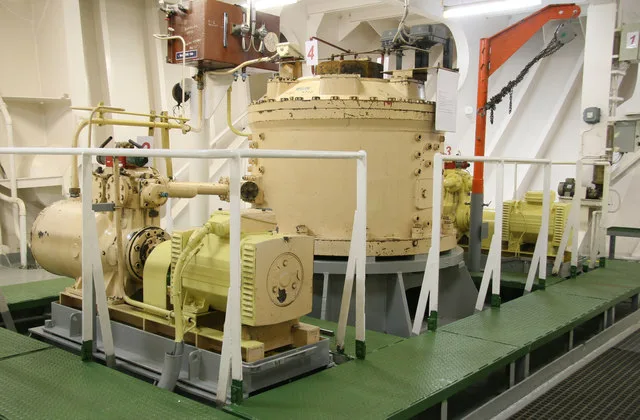
Pump Design and Pressure Role
- Vane pumps use a rotating impeller with slots that create suction and discharge.
- Gear pumps use two meshed gears to move fluid, offering higher durability.
- Both designs require a sealed housing to prevent air ingress, which causes spongy steering.
Per the SAE J618 test procedures, a pump that cannot sustain 800 psi for ten seconds is considered failed. If you suspect a leak or worn vanes, replace the pump rather than attempting a rebuild, unless you have professional tools. The next section walks you through a step‑by‑step diagnostic and replacement workflow.
Step-by-Step Process – Diagnosing, Replacing, and Bleeding the Pump
Follow this workflow to confirm a bad pump and replace it safely. Gather the items listed below, then proceed methodically to avoid missed steps. The process takes about 2 hours for most passenger cars.
Required Tools and Materials
| Item | Purpose | Typical Cost |
|---|---|---|
| Power‑steering pressure gauge | Verify pump output (800‑1,200 psi) | $30 |
| New power‑steering pump | Replacement unit (OEM or aftermarket) | $150‑$300 |
| Power‑steering fluid (1 L) | Refill and bleed system | $10 |
| Socket set (10 mm, 12 mm) | Remove pump bolts | $20 |
| Torque wrench | Apply correct bolt torque (15‑20 Nm) | $25 |
| Safety glasses and gloves | Protect hands and eyes | $5 |
Diagnostic and Replacement Steps
- Park on a level surface, engage the parking brake, and disconnect the battery negative terminal.
- Locate the pump at the front of the engine, remove the serpentine belt, and detach the fluid reservoir hose.
- Connect the pressure gauge to the pump outlet port and start the engine; read the pressure at idle.
- If pressure is below 800 psi, the pump is failed; proceed to removal.
- Remove the pump mounting bolts using the socket set, then lift the pump away from the engine.
- Compare the old pump to the new unit; note orientation of the pulley and hose fittings.
- Install the new pump, torque the bolts to 15‑20 Nm, and reconnect the fluid lines.
- Refill the reservoir with fresh power‑steering fluid, then start the engine and turn the steering wheel lock‑to‑lock to purge air.
- Check for leaks, verify pressure again, and top off fluid as needed.
If you need to read any fault codes before the test, the reading fault codes guide can help you interpret the scanner output.
Mistakes to Avoid – Common DIY and Shop Errors
Even experienced mechanics can overlook simple steps that lead to repeat failures. Skipping the fluid check often masks a leak, and using the wrong torque can crack the pump housing. Neglecting the bleed process leaves air in the system, causing a spongy steering feel.
Frequent Errors to Skip
- Assuming heavy steering is only a pump issue; check the rack and tie rods first.
- Reusing the old power‑steering hose; cracks can reappear after a short time.
- Failing to torque bolts to 15‑20 Nm; overtightening can deform the pump mounting flange.
- Not performing a post‑replacement pressure test; a loose connection may go unnoticed.
- Skipping the air‑bleed step; air pockets reduce assistance and can damage the pump.
Always verify the fluid level before you replace the pump; low fluid can mimic a failing unit. If you plan to upgrade other steering components, consider the upgrading steering components guide to ensure compatibility. Budget for replacement parts early, as a new pump and fresh fluid typically cost $150‑$350 total.
Following these precautions prevents costly repeat repairs.
FAQs – Your Most Asked Questions About Power Steering Pump Issues
How much does a power‑steering pump replacement cost?
A new pump ranges from $150 to $300, plus fluid and labor. Labor typically adds $100 to $200, bringing the total to $250‑$500 on most passenger cars. Prices vary by region and whether you choose OEM or aftermarket.
Can I drive with a bad power‑steering pump?
Driving with a failing pump is unsafe; you may lose steering assistance without warning. Even intermittent loss can cause a sudden heavy steering feel, increasing crash risk. Replace the pump before driving any distance.
How long does it take to replace a power‑steering pump?
Most DIY replacements take 1.5 to 3 hours, depending on vehicle access and experience. Professional shops often complete the job in 2 to 2.5 hours. Rushing the bleed step can cause air pockets and repeat failures.
What are the signs that the pump needs immediate attention?
Persistent whining, increased steering effort, and fluid leaks are clear warnings. A pressure reading below 800 psi at idle confirms pump failure. If the steering feels loose or vibrates, address the issue promptly.
Do I need to replace the power‑steering fluid after pump replacement?
Yes, flush the old fluid and refill with fresh power‑steering fluid to prevent contamination. Bleeding the system removes air that can cause spongy steering. After replacement, verify pressure and top off fluid as needed.
For safe steering after replacement, refer to the guide on proper hand placement.
