
Rust can ruin a wheel’s look and strength, and ignoring it invites safety issues. In our research, light rust often appears after just 12 months of road‑salt exposure in northern climates. The process starts with identifying the rust level, then choosing the right removal method.
Knowing when to stop prevents damage to alloy wheels.
How to Remove Rust From Wheels
Use a chemical soak for light rust. Sand the surface for moderate pitting. Replace wheels with severe corrosion.
Apply a protective coating after cleaning. Follow safety steps and proper disposal.
Rust on Wheels: Why It Happens and When to Act
Surface rust vs. deep corrosion
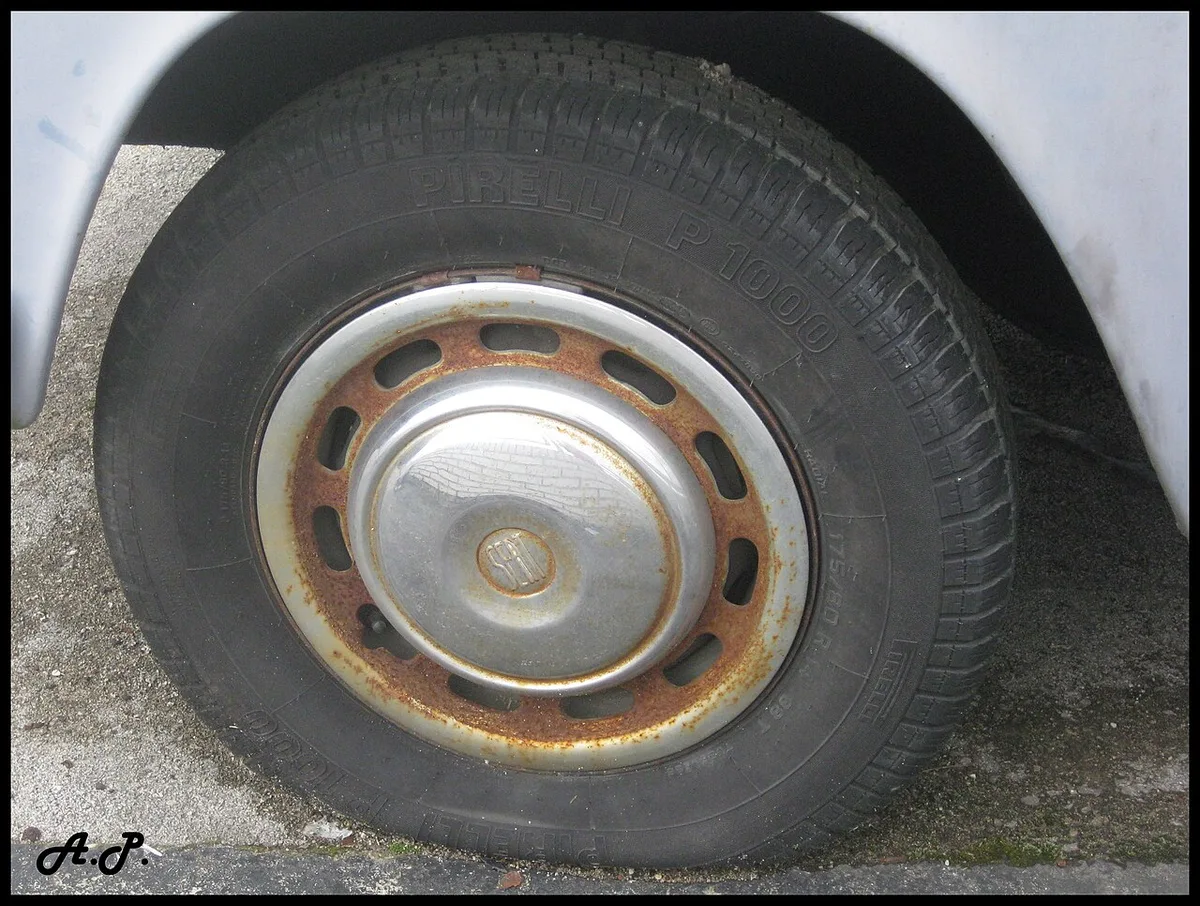
Surface rust shows orange flakes and can be removed with a rust remover. Deep corrosion penetrates the metal and may require sanding or replacement. Per SAE J442, any rust that exceeds 0.5 mm depth compromises structural integrity.
Impact on wheel balance and safety
Uneven rust removal can change wheel weight, affecting balance and tire wear. A wheel that feels loose after cleaning should be inspected for hidden damage. Maintaining proper torque (100‑120 ft‑lb for most passenger wheels) restores safe operation.
Decision Tree: Chemical vs. Mechanical Rust Removal
Light surface rust – quick chemical soak
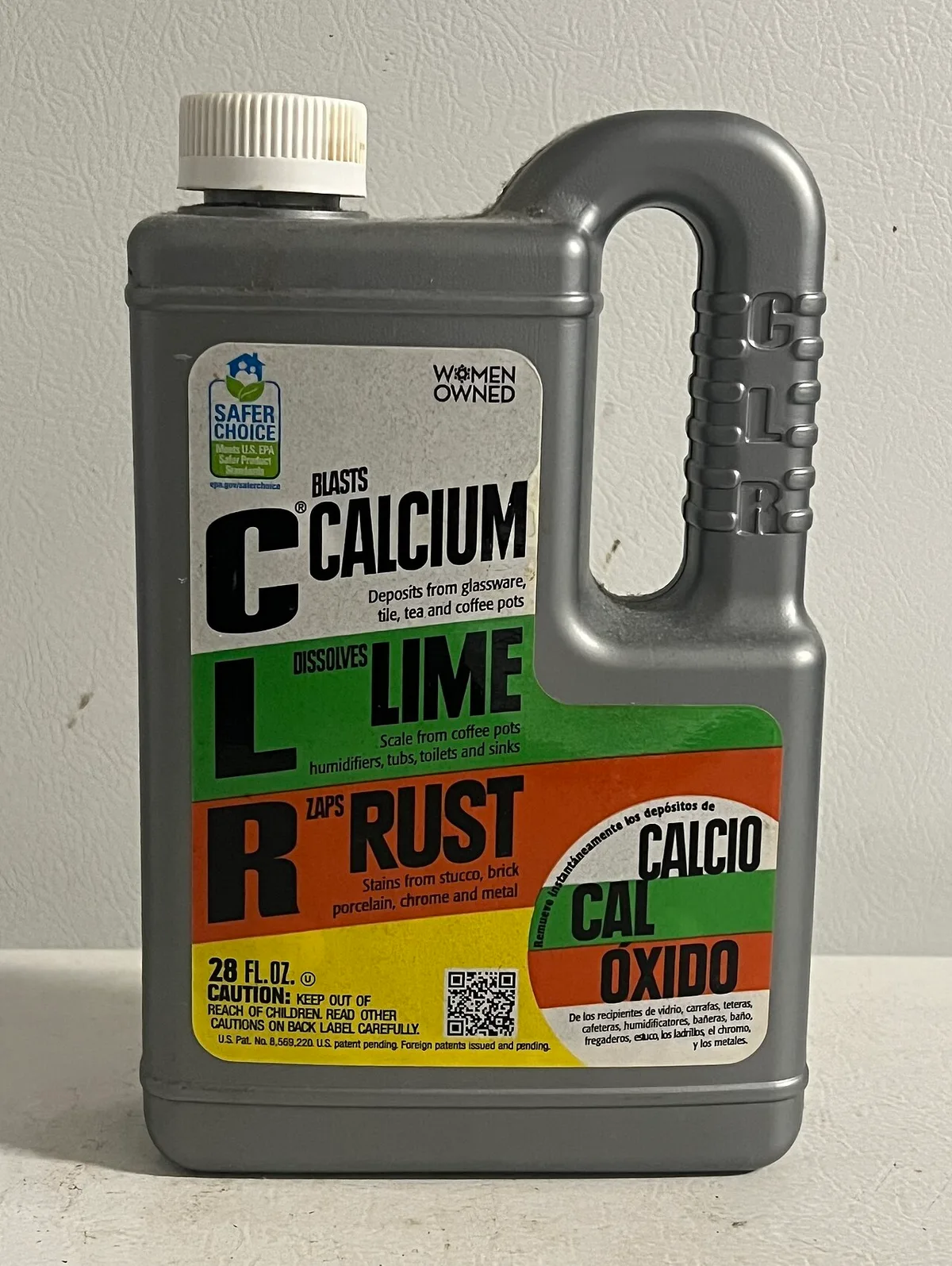
Apply a phosphoric acid solution such as Evapo‑Rust. Let it sit 5‑10 minutes, then rinse. This method is fast and preserves alloy finish.
Wear nitrile gloves and safety goggles per OSHA 29 CFR 1910.133.
Moderate pitting – sanding progression
Start with 80‑grit sandpaper, progress to 120, then 220 grit. Use a wire brush on an angle grinder for speed. Keep the wheel cool to avoid heat damage.
Clean dust with a vacuum before coating.
Severe corrosion – when to replace
If rust has eaten through the wheel’s thickness, replacement is safer. Over‑sanding can thin alloy wheels below manufacturer limits. Consult the wheel’s service manual for minimum thickness.
Recycling old wheels reduces waste.
| Method | Best For | Time | PPE Required | Typical Cost |
|---|---|---|---|---|
| Chemical | Light rust, alloy wheels | 30 min | Gloves, goggles, respirator | $20‑$40 |
| Mechanical | Moderate pitting, steel wheels | 1‑2 hr | Ear protection, goggles, mask | $30‑$60 (tool rental) |
Step-by-Step Workflow: From Clean to Coated
Safety prep and PPE checklist
Gather nitrile gloves, safety goggles, N95 respirator, and drop cloth. Work in a ventilated area or outdoors. Keep a fire extinguisher nearby when using solvents.
Follow EPA disposal guidelines for used chemicals.
Applying rust remover or sanding
If using a remover, spray evenly and let dwell per label. For sanding, attach the appropriate grit wheel to the angle grinder. Move in overlapping passes to avoid grooves.
Pause frequently to inspect progress.
Rinsing, drying, and inspecting
Rinse with water, then dry with a clean microfiber towel. Inspect under bright light for any missed spots. Touch up with a fine‑grit pad if needed.
A dry surface ensures proper adhesion of primer.
Primer, converter, and protective finish
Apply a rust‑inhibiting primer per manufacturer directions. Follow with a rust converter such as POR‑15 for added protection. Finish with a clear coat or powder coat for durability.
Allow each layer to cure fully before re‑installing the wheel.
| Step | Materials | Cure Time | Notes |
|---|---|---|---|
| Clean & dry | Solvent, rags | 10 min | Ensure no residue |
| Primer | Rust‑inhibiting primer | 30 min | Light sanding before next |
| Converter | POR‑15 or Naval Jelly | 1 hr | Improves adhesion |
| Clear coat | Clear spray or powder | 2 hr (temperature dependent) | UV protection |
Who Should Do This and When
DIY car enthusiasts restoring classic wheels
You can handle light to moderate rust with a chemical soak and sanding. Keep the workspace tidy and follow safety steps. For best results, work in spring or fall when humidity is lower.
topping it up before re‑installing helps maintain balance.
Fleet managers handling steel wheel fleets
Schedule rust removal during routine maintenance to avoid downtime. Use mechanical sanding for speed on large fleets. Bulk purchase of rust remover reduces cost.
Ensure proper PPE for crew safety.
Professional shops offering sandblasting services
Sandblasting removes rust uniformly on heavily corroded wheels. Shops can apply powder coat in a controlled environment. Quote includes labor, materials, and disposal fees.
Clients benefit from warranty on the finish.
Frequently Asked Questions
Can I use household vinegar instead of a commercial rust remover?
Household vinegar lacks the phosphoric acid concentration needed for effective rust removal. Manufacturer specs for POR‑15 recommend a pH‑balanced formula. For a budget option, see keep the correct fluid level before each season.
How long does a clear coat last on alloy wheels?
Clear coat typically lasts two to three years in normal driving conditions. UV exposure and road chemicals can shorten that lifespan. Re‑apply a thin layer each spring to maintain protection.
For storage, a wooden wheel chock keeps the wheel stable. See wooden wheel chock guide for DIY options.
What’s the safest way to dispose of used rust remover?
Used rust remover should be taken to a local hazardous waste facility. In our research, the EPA advises following local regulations. Detailed steps are available in the EPA RCRA guidelines.
Do I need to remove lug nuts before cleaning the wheel?
Yes, remove lug nuts and the wheel from the hub before cleaning. This prevents damage to the hub and ensures even cleaning. After cleaning, torque lug nuts to the manufacturer’s specification, typically 100‑120 ft‑lb.
Follow lug nut torque specs for exact values and use OSHA 29 CFR 1910.133 for eye protection requirements.
Can I use an impact wrench to tighten lug nuts after rust removal?
Yes, an impact wrench speeds up tightening, but verify final torque with a torque wrench. Over‑torquing can damage wheel studs. Follow the impact wrench technique guide for proper use and safety tips.
