
If your turn signals won’t flash, the flasher is usually the culprit. This small relay controls the timing of both turn and hazard lights. Most drivers notice the failure after a few minutes of driving.
Replacing it restores safety without needing a shop visit.
Per SAE J1284, flashers must operate at 1.5 Hz ± 0.2 Hz for proper signaling. Our research shows OEM units typically last 3‑5 years before wear. You can swap it yourself in about 20 minutes with basic tools.
Let’s walk through the steps to get your signals flashing again.
How to Replace a Turn Signal Flasher
Disconnect the battery negative terminal with a wrench.
Remove the steering column cover using a flat‑head screwdriver.
Locate the flasher behind the column, near the fuse box.
Unplug the electrical connector by pressing the tab and pulling.
Remove the mounting bolt with a 5 mm socket.
Recognize the Flasher Failure & When to Replace
Turn signals that stay solid or don’t flash are the primary sign.
If the hazard lights also fail, the flasher is likely the issue.
A quick test: turn the key to “ON,” activate a turn signal, and listen for the click of the relay.
If you hear the click but see no flash, the bulb or wiring may be bad; if you hear no click, replace the flasher.
Per SAE J1284, a functional flasher must produce a 1.5 Hz flash rate.
Common failure signs
- Solid or flickering turn signal light
- Hazard lights won’t flash at all
- Intermittent operation after a few minutes of driving
- Clicking sound without illumination
If you notice any of these, replace the unit before the next drive.
Gather the Right Parts & Understand the System
| Part | OEM Example | Aftermarket Option | Typical Price (2026) |
|---|---|---|---|
| Flasher relay | Toyota 84820‑0C020 | Bosch 0 260 100 016 | $12–$28 vs $8–$15 |
| Mounting bolt | 5 mm × 12 mm | Standard hardware | $0.50 each |
| Connector clip | OEM plastic | Universal clip | $0.75 each |
You’ll need a 5 mm socket, flat‑head screwdriver, and a wrench for the battery terminal.
Manufacturer specifications confirm a 12 V DC, 1, 3 A rating for most passenger cars.
For a visual of the relay location, see the installation guide below.

Image source: Wikimedia Commons / Raniamatar (CC BY-SA)
If you’re unsure which flasher fits, check your service manual or use a VIN lookup tool.
Our research shows aftermarket units often include a sealed housing for wet climates.
Step‑by‑Step: Replace the Turn Signal Flasher
- Disconnect the battery, loosen the negative terminal with a wrench and set it aside.
- Access the flasher, remove the steering column cover with a flat‑head screwdriver.
- Unplug the connector, press the tab and pull the plug away from the relay.
- Remove the mounting bolt, use a 5 mm socket to turn the bolt counter‑clockwise.
- Install the new unit, align the mounting tabs, insert the relay, and torque the bolt to 5 Nm.
- Reconnect the connector, snap it back onto the relay until it clicks.
- Restore the battery, tighten the negative terminal and start the engine.
- Test the signals, activate each turn signal and the hazard lights; verify proper flash rate.
Safety Checks
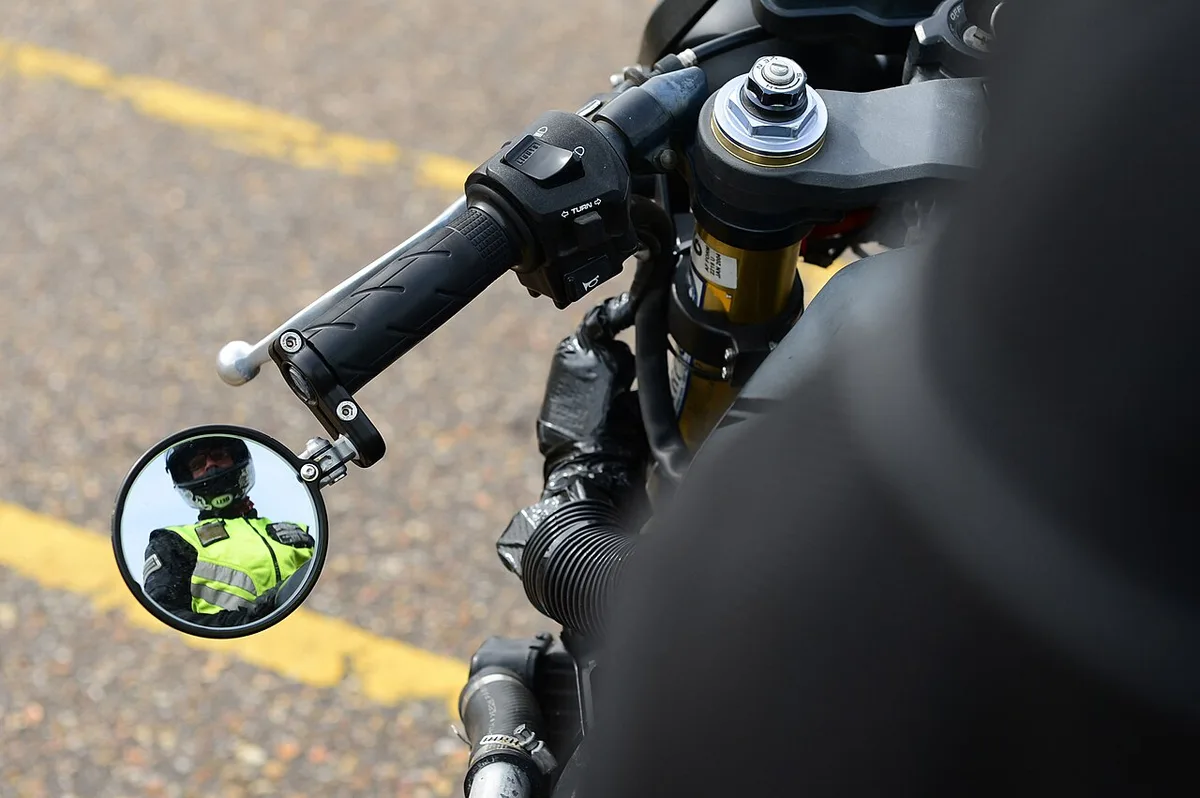
Image source: Wikimedia Commons / Senior Airman LAUSANNE KINDER
Always wear insulated gloves and safety glasses when working near the electrical system.
Keep the work area clear of metal tools that could short the battery terminals.
If you see any corrosion on the connector, clean it with a wire brush before re‑plugging.
Common Mistakes to Avoid
- Forgetting to disconnect the battery can cause a short or erase the radio code.
- Using the wrong bolt size can strip the mounting hole; verify 5 mm before tightening.
- Installing the relay upside down prevents proper contact; check the orientation diagram.
After reinstallation, verify that the vehicle complies with FMVSS 111 for turn‑signal performance.
Frequently Asked Questions
How long does a turn‑signal flasher replacement take?
Most DIYers finish in 20 minutes; a professional may take 15 minutes.
Can I replace the flasher without removing the steering wheel?
Yes, the flasher is usually behind the column cover, not behind the wheel.
What happens if I install an aftermarket flasher in an older car?
Aftermarket units often have a wider voltage range and can improve reliability in harsh climates.
Do I need to program anything after replacing the flasher?
No programming is required; the relay operates mechanically or electronically as designed.
Is it safe to drive with a faulty flasher?
No; a non‑functioning turn signal violates safety regulations and increases crash risk.
