
If your turn signals flicker, stay steady or go dead, you likely have a bad flasher. The flasher is the timer relay that tells each bulb when to blink. Ignoring it can lead to failed inspections and unsafe driving.
Per SAE J1316, a healthy flasher should cycle every 1.5 seconds under load. If you see rapid double‑flash or no flash at all, the relay is likely faulty. This guide walks you through diagnosis, replacement, and safety checks.
We’ll also point out common mistakes that lead to misdiagnosis.
Problem / Pain Point: Flickering or Dead Turn Signals
Flickering or dead turn signals are the most obvious signs of a failing flasher. The issue may affect one side, both sides, or the hazard function.
- Intermittent blinking that speeds up or slows down
- Rapid double‑flash mode that never stops
- Complete loss of turn signal on one or both sides
- Hazard lights stay on constantly or never activate
According to DOT lighting standards, turn signals must flash at a consistent interval during operation. The new flasher can cause non‑compliance and increase crash risk. Replace the flasher promptly to keep your vehicle street‑legal.
Drivers often mistake a blown bulb for a bad flasher, so check the bulb first. If the bulb is good and the problem persists, replace the flasher before the next inspection. You can also confirm with a scan tool.
Reading diagnostic codes may reveal stored faults.
Next, we’ll show you exactly how to replace the flasher yourself.
Symptoms of a Bad Turn Signal Flasher
A bad flasher causes flickering, double‑flash, or no turn signal. The relay may click but the lights stay off. One side can fail while the other works fine.
A dead battery can mimic flasher failure, so check voltage first. Replace the flasher if the test confirms no output.
Step-by-Step Process / How to Guide: Diagnose and Replace the Flasher
Follow these steps to diagnose and replace a turn signal flasher safely. The process takes about 30 to 60 minutes for most vehicles.
| Item | Purpose | Typical Cost |
|---|---|---|
| Multimeter | Test voltage and continuity | $15‑$30 |
| Screwdriver set (Phillips/flat) | Remove steering column cover | $10‑$20 |
| New flasher (OEM or universal) | Replacement unit | $20‑$50 |
| Safety gloves | Protect hands | $5‑$10 |
| Rag | Clean area | $2‑$5 |
Having the right tools speeds up the job and reduces the chance of damage.
Disconnect the negative battery terminal to prevent short circuits. Wait 5 minutes for any residual charge to dissipate.
Remove the steering column cover using the screwdriver set. The flasher sits behind the cover near the turn signal switch, just like checking bolt torque on a wheel. Think of it like protecting cargo with a tonneau cover.
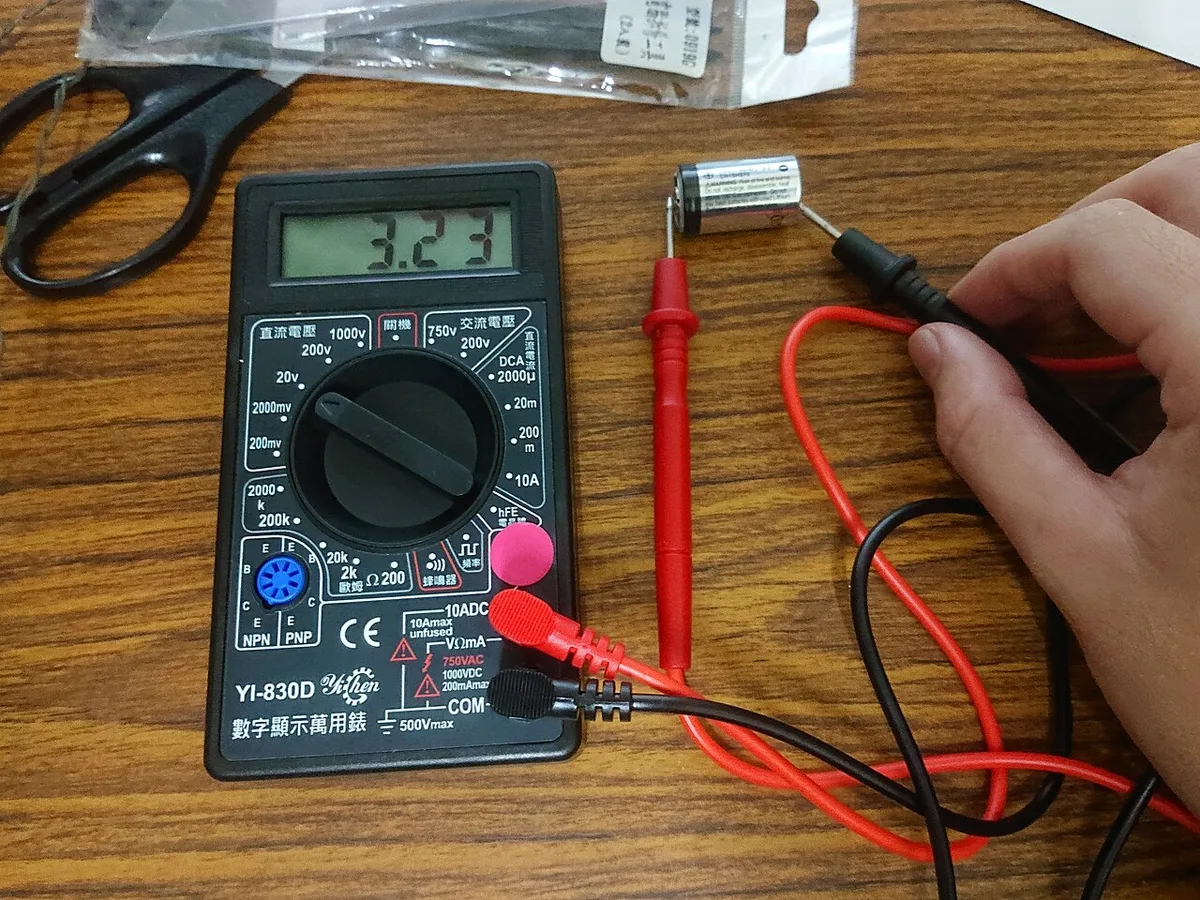
Set the multimeter to continuity and probe the flasher terminals. If there is no continuity, the flasher is faulty.
Unplug the old flasher and install the new unit. Connect the wiring harness exactly as it was on the original, similar to topping up transmission fluid.
Reconnect the battery, turn the ignition on, and activate the turn signal. The new flasher should produce a steady 1.5‑second blink.
Reinstall the steering column cover and check for proper operation. Adjust the flasher if the interval feels off.
Choose an OEM flasher for exact timing or a universal unit if the original is unavailable. Both meet SAE J1316 requirements when installed correctly.
Mistakes to Avoid / Common Errors: Misdiagnosis and Unsafe Work
Common mistakes can turn a simple fix into a costly repair.
- Replacing the bulb without testing the flasher first
- Ignoring the battery voltage, which can mimic a bad flasher
- Forgetting to disconnect the battery, risking short circuits
- Installing a universal flasher in a vehicle that requires OEM timing
- Reusing the old mounting clips, which may break and cause rattles
Each error leads to unnecessary parts replacement or unsafe conditions. Always disconnect the battery before any electrical work, just as you would when cleaning spark plug holes. Skipping the battery disconnect can fry the vehicle’s computer.
Using an OEM flasher ensures the exact 1.5‑second interval specified by the manufacturer, while a universal unit may vary slightly. Choose OEM when the original part number is available.
FAQs: Turn Signal Flasher Questions
Why does my turn signal flicker only at night?
A dim headlight circuit can draw voltage and cause the flasher to act erratically. Check the headlight relay and wiring for voltage drops after dark.
Can a bad flasher drain my battery?
Yes, a stuck flasher can keep the turn signal circuit energized continuously, drawing enough current to flatten a battery overnight. Test the flasher with the battery disconnected to confirm.
How do I know if the flasher is the problem and not the switch?
If the turn signal works on one side but not the other, the switch is likely fine; a bad flasher usually affects both sides equally. Use a multimeter to test the flasher terminals for continuity.
What’s the difference between a mechanical and an electronic flasher?
Mechanical flashers use a rotating cam to time the blink, while electronic flashers use a solid‑state timer IC. Electronic units are more reliable and meet modern SAE standards.
Do I need to program a new flasher after replacement?
No programming is required; the new flasher operates automatically once installed. Simply reconnect the battery and verify the blink rate.
If you follow these steps and still see abnormal behavior, consult a professional mechanic. Proper turn signal function is essential for safety and compliance.
