
When your ABS light stays on after a wheel change, the culprit is often a faulty wheel speed sensor. In our research, replacing the sensor restores accurate speed data and safe braking. Per SAE J1319, the sensor should read between 200 and 500 Ω before installation.
Let’s start with the basics of the sensor itself.
How to Replace a Wheel Speed Sensor
Remove the wheel and locate the speed sensor on the hub. Disconnect the electrical connector and unscrew the mounting bolts. Install the new sensor, torque bolts to 8 NM, and reconnect the connector.
Clear ABS codes with a scan tool and test‑drive to confirm operation.
Sensor Types & Key Features
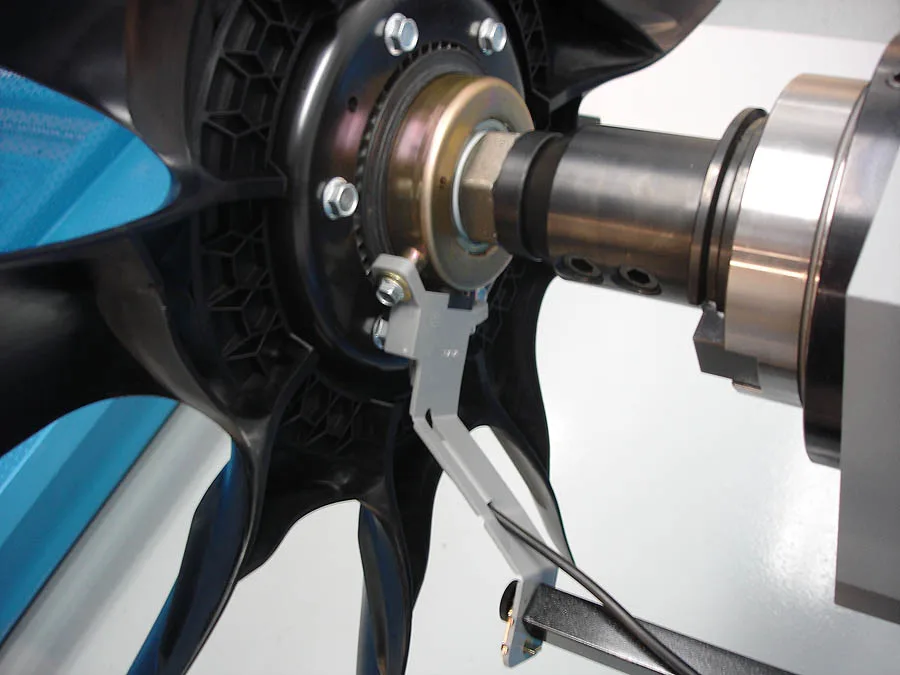
Image source: Wikimedia Commons / Фигушки (CC BY)
Two common designs exist: magnetic and Hall‑effect sensors. Magnetic units use a reluctor ring and are tolerant of dirt, while Hall‑effect sensors detect teeth without a ring and offer higher accuracy. Manufacturer specs list a 12 V operating voltage and a 4‑pin connector rated IP67.
The typical resistance range is 200, 500 Ω, and mounting bolts are 10 mm. Choosing an OEM part ensures exact fit; aftermarket units often meet the same SAE J1319 standard but may have a different warranty.
| Feature | Magnetic Sensor | Hall‑Effect Sensor |
|---|---|---|
| Detection method | Reluctor ring | Teeth directly |
| Accuracy | Moderate | High |
| Sealing | IP67 | IP67 |
| Typical resistance | 200–500 Ω | 200–500 Ω |
| Best for | Light‑duty, dirty environments | Precision ABS, high‑speed |
Understanding these differences helps you pick the right replacement without guessing. If you’re unsure, compare the old sensor’s part number to the new one. For more on clearing ABS codes after replacement, see clearing ABS codes.
Visual Step‑by‑Step Replacement
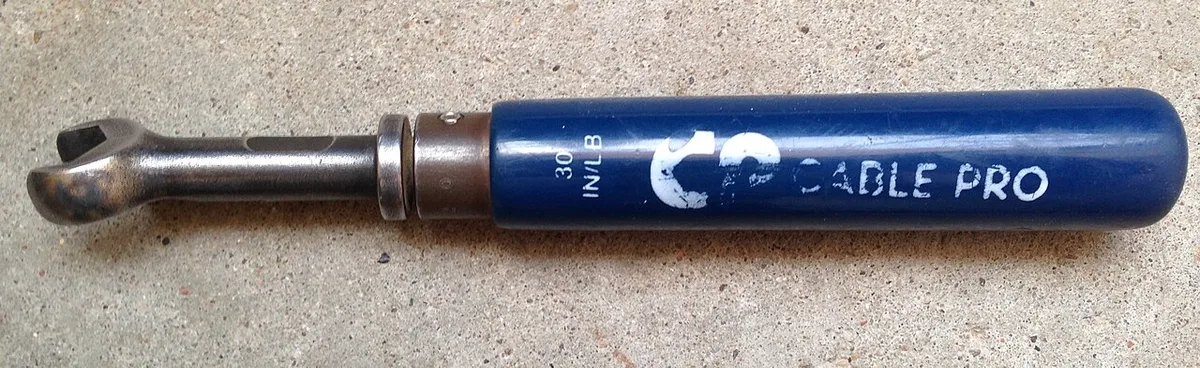
Image source: Wikimedia Commons / J.C. Fields (Talk) (Uploads) (CC BY-SA)
- Safety first, disconnect the battery and wear gloves.
- Remove the wheel, loosen lug nuts with an impact wrench torque approach, then lift the tire.
- Locate the sensor, it sits on the hub knuckle behind the brake rotor.
- Disconnect the connector, pull the tab and lift the plug away.
- Unscrew the sensor, use a 10 mm socket, turning counter‑clockwise.
- Install the new sensor, align the mounting holes, insert bolts, and torque to 8 NM.
- Reconnect the connector, snap it into place until the lock clicks.
- Re‑mount the wheel, hand‑tighten nuts, lower the car, then torque in a star pattern.
- Clear codes, plug in an OBD‑II scanner and erase ABS faults.
- Test drive, verify the ABS light stays off and brakes feel normal.
Each step is visual; a photo of the sensor’s mounting bolts helps confirm you’re using the correct torque. If the connector looks corroded, clean it with a wire brush before re‑plugging. After the test drive, check for any lingering ABS warnings.
Mistakes, Safety & Costs
Image source: Wikimedia Commons / Winchester Museums Service, Richard Henry, 2012-07-25 17:39:33 (CC BY-SA)
Common errors include using the wrong torque, which can strip bolt threads, and ignoring the battery disconnect, which can cause a short. Misaligning the sensor leads to inaccurate speed readings and a persistent ABS light. If the wiring harness is damaged during removal, repair it before installing the new sensor.
Typical replacement cost ranges from $20 for an aftermarket unit to $120 for an OEM part, and labor takes 30, 60 minutes for most drivers. For complex setups like integrated hub sensors, consider a professional. Remember to dispose of the old sensor per local hazardous waste rules.
For ongoing maintenance, check sensor resistance annually and keep the connector clean. If you need to top up transmission fluid after a sensor swap, see transmission fluid level check. For a quick reference on proper lug nut torque after wheel removal, see lug nut torque specs.
Frequently Asked Questions
How do I know the sensor is bad before I start?
A bad sensor often shows a steady ABS light, erratic speedometer readings, or a loss of traction control. A multimeter reading outside 200, 500 Ω confirms a fault. If the vehicle has been in an accident, replace the sensor even if it appears intact.
Can I reuse the old connector, and what are the visual signs?
You can reuse the connector if the pins are clean and not bent. Look for corrosion, melted plastic, or broken tabs; any of these mean replace the connector. A clean, intact connector is safe to reuse.
What does a corroded pin look like and how do I fix it?
Corroded pins appear brown or green with a powdery coating. Use a small wire brush or contact cleaner to scrub them, then re‑apply dielectric grease before re‑plugging. If the corrosion is severe, replace the connector.
Do I need a scan tool after replacement?
Yes. After installing the new sensor, clear any stored ABS codes with a scan tool. If the ABS light returns, re‑check torque, connector fit, and sensor alignment.
A quick test drive confirms proper operation.
