
The first sign you’ll notice when an engine has seized is a dead‑silent starter that only clicks. Oil pressure drops to near zero while you crank, and compression readings fall far below spec. In our research, these clues prevent costly rebuilds and keep you safe.
Let’s walk through the diagnosis step by step.
Manufacturers specify oil pressure at 30, 45 psi at 3,000 rpm for most V8 engines, so a reading below 15 psi while cranking is a red flag. Per SAE J1349 compression test standard, gasoline engines should read 120, 180 psi; anything under 50 psi points to seizure. This quick check moves us straight to the decision‑tree diagnosis that follows.
Problem Overview: Engine Seizure Symptoms & Risks
A seized engine means the pistons, rings, or crankshaft cannot move. Common causes include running low on oil, debris entering the cylinders, or overheating that melts bearings. Ignoring the warning signs can turn a $300 repair into a $4,000 engine replacement.
The most obvious symptom is a starter that clicks but never spins the engine. You may also hear a grinding noise from the valve train as parts lock. Low oil pressure on the gauge confirms hydraulic lock, while a compression test confirms loss of cylinder pressure.
If you spot oil on spark plugs, it often signals oil‑filled seizure; see spark plug oil signs for more details. Keeping the correct fluid level before each drive prevents most failures. When in doubt, stop the engine and inspect before proceeding.
Quick Answer: How to Tell If an Engine Is Seized
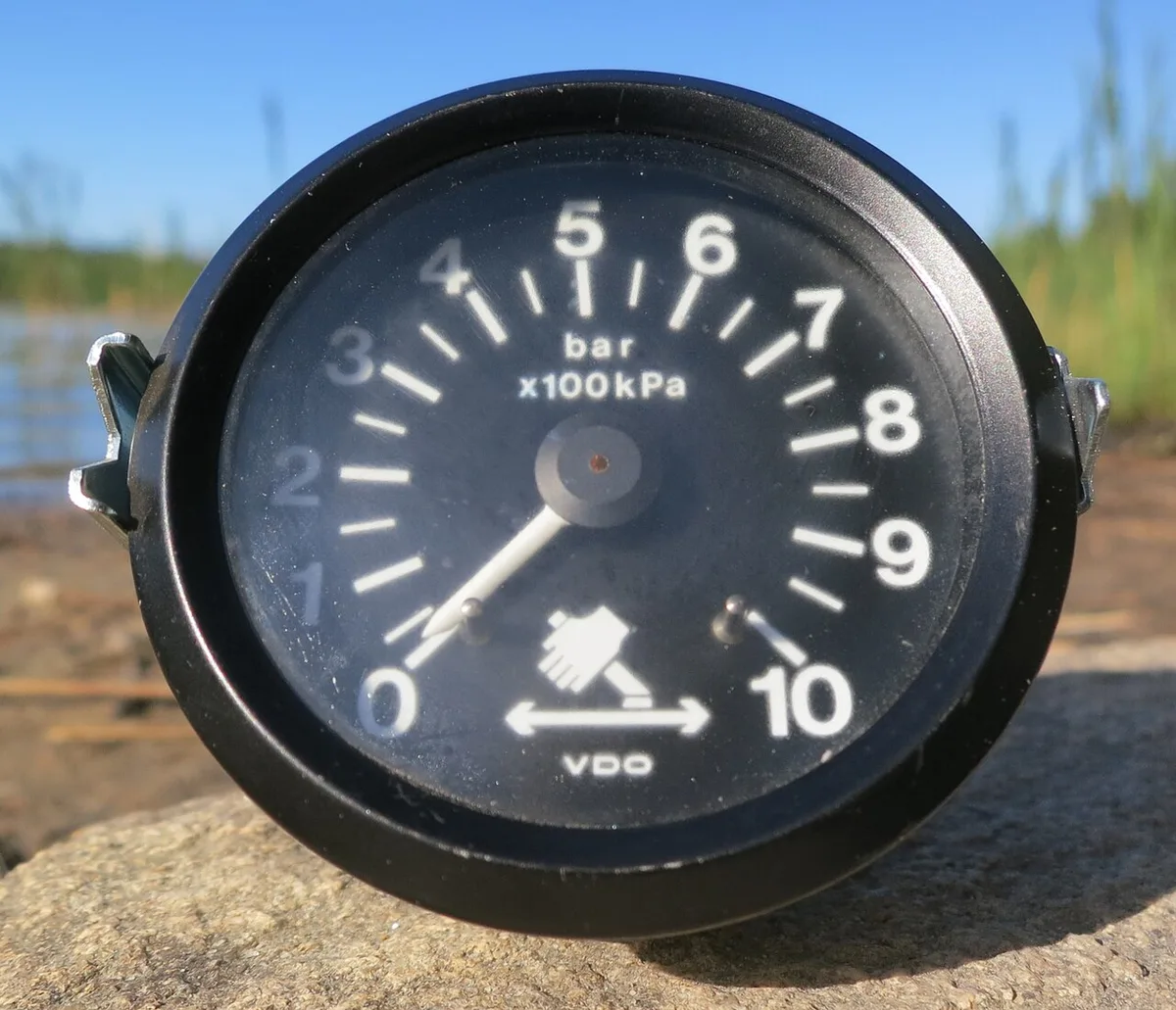
The starter makes only a click, never turning the engine. Oil pressure gauge reads zero or near zero while cranking. Compression test results fall below 50 psi on gasoline engines.
You hear grinding or a locked‑up sound from the valve train. These clues confirm the engine has seized.
Decision‑Tree Diagnosis: Step‑by‑Step Checks
- Verify battery voltage is 12.6 V or higher. If low, charge the battery first.
- Listen for starter spin. If you hear only a click, proceed to oil pressure check.
- Connect an oil pressure gauge and crank the engine. If pressure is ≤ 15 psi, the engine is likely seized.
- Perform a compression test on all cylinders. Readings below 50 psi on gasoline or 150 psi on diesel confirm seizure.
- Inspect cylinders for debris or coolant. If oil‑filled, remove the oil and clean before further work.
Use a compression tester that meets ASE diagnostic guidelines for accurate readings. If any step shows normal values, revisit the previous step before concluding seizure. This flow prevents unnecessary parts replacement and keeps you safe.
Mistakes to Avoid & Safety Practices
Never force the starter motor if it only clicks; this can break the flywheel. Always disconnect the battery before using a compression tester to avoid sparks. Wear safety glasses and gloves when removing oil pans or valve covers.
A common error is assuming a dead battery caused the no‑start, then jump‑starting a seized engine, which can damage the crankshaft. Ignoring low oil level leads to hydraulic lock, a preventable failure.
Follow OSHA 1910.303 electrical safety when working near the starter circuit. Keep a fire extinguisher nearby in case of oil spillage. For a safe workspace, set up car ramps from wood to support the vehicle securely.
FAQs
Why does a seized engine still make a clicking sound?
The starter motor’s solenoid engages, but the engine’s internal components are locked, so the motor can’t turn the crankshaft. This click is the solenoid’s magnetic pull, not engine movement.
Can low oil pressure cause a false seizure reading?
Yes. If the oil pump isn’t primed or the gauge is faulty, pressure may read low while the engine is actually fine. Verify gauge accuracy and check for oil leaks before concluding seizure.
Is it safe to drive a vehicle with intermittent seizure symptoms?
No. Intermittent grinding or loss of power indicates impending lock‑up. Driving can cause catastrophic damage to bearings, pistons, and the crankshaft.
How long does it take to replace a seized engine?
Removal and replacement typically take 8, 12 hours for a DIY mechanic and 4, 6 hours for a professional shop. The exact time depends on vehicle make and access to tools.
