
You’re wondering how to test for a blown head gasket before it ruins your engine. Ignoring a leak can cost $2,000 to $5,000 for a rebuild. Typical signs include milky oil, coolant loss, and overheating that won’t quit.
As of 2026, SAE International specifies a compression range of 150 to 200 psi for most gasoline engines. This guide walks you through the exact steps, tools, and safety checks needed to confirm a leak. Let’s get started with a clear, step‑by‑step approach.
How to Test for a Blown Head Gasket
Use a compression tester on each cylinder. Record PSI; a drop below 150 psi signals a leak. Follow with a leak down test at 15 psi.
If pressure loss exceeds five percent over thirty seconds, the gasket is blown.
Problem & Why It Matters
A blown head gasket lets coolant mix with oil, creating a milky appearance in the oil dipstick. You may also see white smoke from the exhaust or a persistent loss of coolant. Early detection saves the engine and avoids costly labor.
If you notice oil mixing with coolant, check why spark plugs have oil with our guide. The test also reveals which cylinder is affected, so you know exactly where to focus the repair.
Core Explanation & How It Works
The head gasket sits between the cylinder head and engine block, sealing coolant and oil passages. Modern gaskets are often made of composite material or MLS (multi‑layer steel) for high temperature resistance. Failure usually occurs at the gasket’s sealing beads, allowing coolant to leak into the combustion chamber or oil gallery.
Manufacturer specifications confirm torque values; for example, many Toyota engines require 85 to 95 ft‑lb. When you need to remove the cylinder head, a sturdy ramp can help position the car safely.
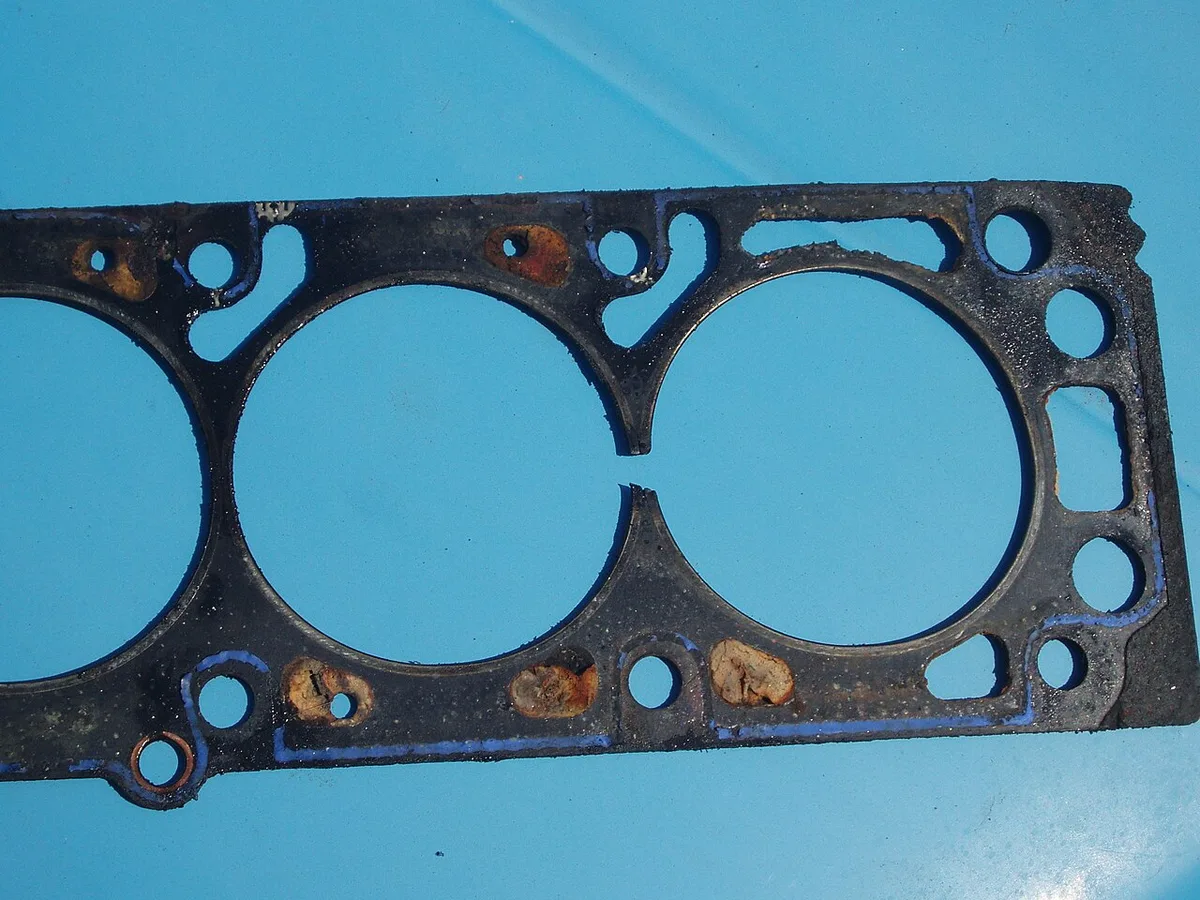
Image source: Wikimedia Commons / Lewis Collard (Collard) (CC BY-SA)
Key components to inspect include the gasket surface, head bolts, and cylinder bore. Look for scoring, warping, or carbon buildup that could mask a leak. SAE International guidelines outline proper gasket torque values and temperature ratings.
If any component shows damage, replace it before reinstalling the gasket.
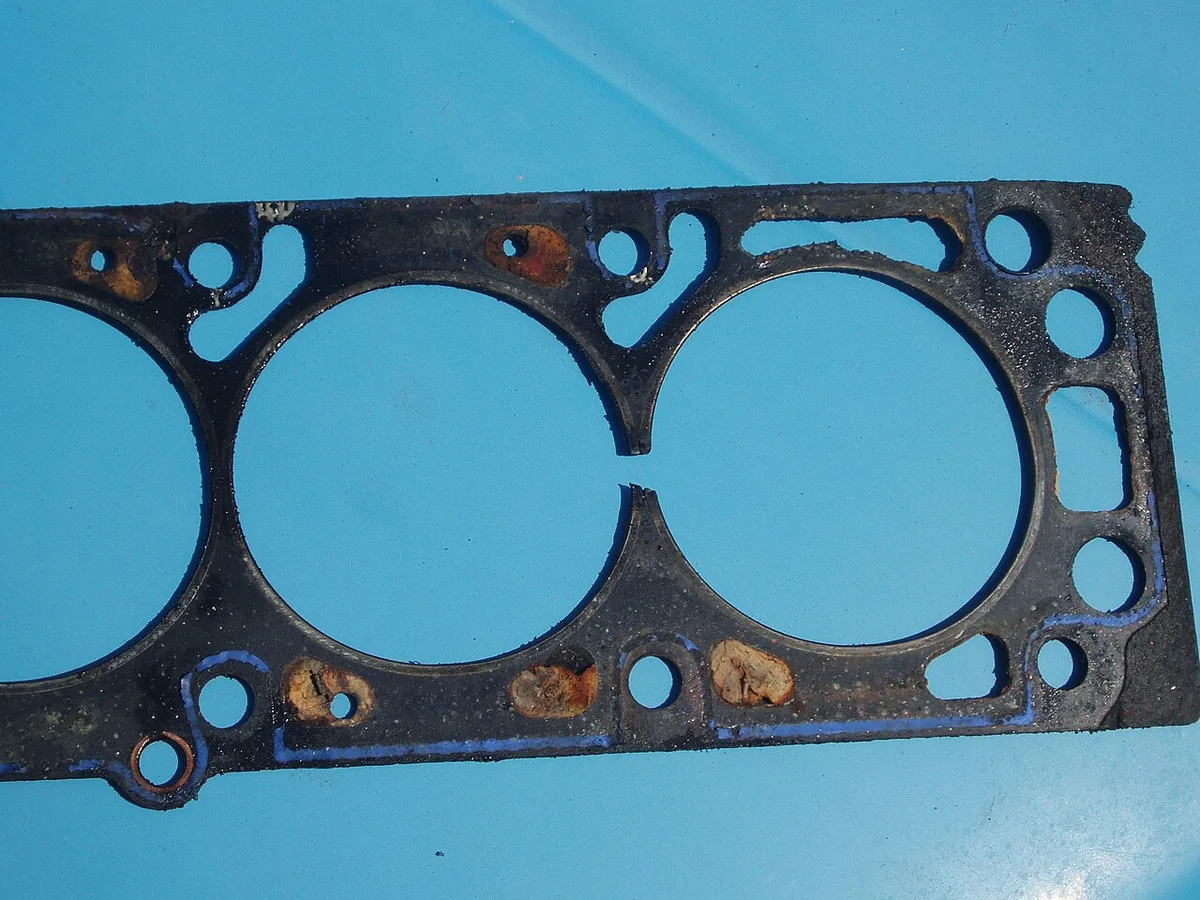
Image source: Wikimedia Commons / Lewis Collard (Collard) (CC BY-SA)
Step‑by‑Step Process & Safety
- Warm the engine to operating temperature (about 190 °F).
- Verify coolant level and radiator cap pressure (about 15 psi).
- Attach a compression tester to each spark plug hole and record PSI.
- Perform a leak down test by pressurizing the cylinder and listening for hiss.
- Inspect oil for coolant contamination and check for white exhaust smoke.
| Step | Action | Tool | Spec |
|---|---|---|---|
| Warm engine | Run until normal temp | Thermostat | 190 °F |
| Check cap | Confirm pressure | Radiator cap tester | 15 psi |
| Compression | Record PSI per cylinder | Compression gauge | Target 150‑200 psi |
| Leak down | Pressurize, listen, gauge | Leak‑down kit | ≤5 % loss |
| Final check | Look for milky oil, smoke | Visual inspection | No contamination |
Wear safety glasses, gloves, and a ventilation mask when handling coolant. Follow EPA 40 CFR 261 for proper coolant disposal. After testing, tighten lug nuts to spec using an impact wrench for speed.
If you later need to top up transmission fluid, follow the correct procedure for your model. ASE Diagnostic Handbook provides detailed test procedures for each step.
Mistakes to Avoid & Expert Tips
Never test a cold engine; compression readings will be lower and can hide leaks. Avoid using a gauge that isn’t calibrated; a five‑psi error can mislead you. Don’t ignore oil contamination; milky oil is a clear sign of a blown gasket.
If you spray starter fluid into a spark plug hole, it can mask a blown gasket. Keep the work area clean to avoid dropping bolts into the engine bay.
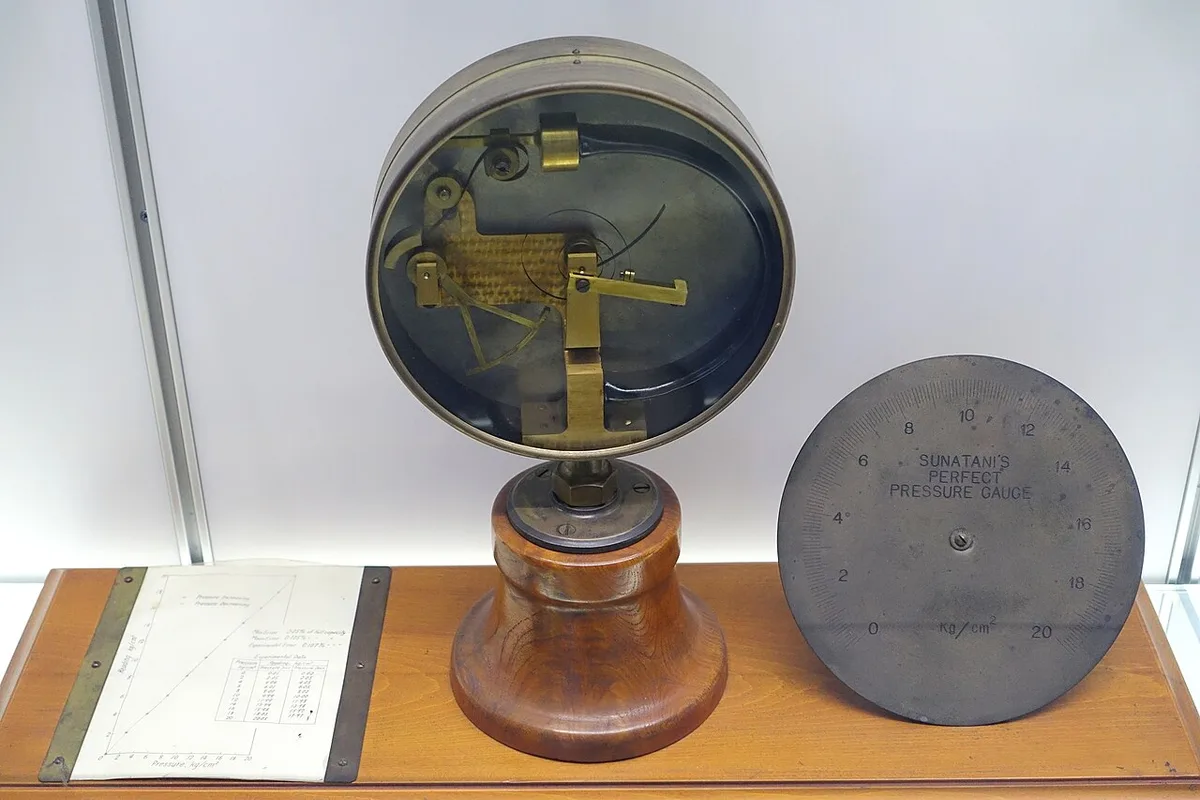
Image source: Wikimedia Commons / Daderot
Use a torque wrench for head bolts; over‑tightening can warp the head. After reinstalling the gasket, run the engine briefly and recheck for leaks. Keep a log of compression and leak‑down readings for future reference.
If readings remain off after retightening, the cylinder head may be warped and need machining.
Frequently Asked Questions
How long does a complete head gasket test take?
A thorough test typically takes 30 to 45 minutes once you have the tools ready.
Can I test for a blown gasket without a pressure gauge?
No, a calibrated gauge is essential to detect small leaks accurately.
What do different compression readings mean for gasoline vs. diesel engines?
Gasoline engines aim for 150‑200 psi; diesel engines target 300‑400 psi; anything below these ranges indicates a problem.
