
When you're deciding between an intercooler vs radiator, the key is understanding their distinct roles in engine cooling.
The intercooler reduces the temperature of compressed air in boosted engines, while the radiator dissipates heat from the engine's coolant.
Confusing the two is a common mistake that can cause overheating or power loss.
Manufacturer specifications indicate that proper cooling prevents temperatures from exceeding safe limits by 50 degrees or more.
We'll explore the differences, how they work, and when to choose one over the other.
Intercooler vs Radiator
The intercooler vs radiator highlights two different cooling needs in your vehicle. The radiator is the standard component that cools the engine coolant. The intercooler cools the intake air after it's been boosted.
This distinction matters because they operate in different temperature ranges. Coolant runs hotter than intake air in performance applications.
Aggregate reviews report that swapping the wrong one leads to poor performance or engine failure.
As of 2026, aftermarket intercoolers offer better airflow and material upgrades than older designs.
If your vehicle has a turbocharger, the intercooler is non-negotiable for safe operation.
The Real Difference Between Intercooler and Radiator
The real difference between an intercooler and a radiator comes down to what they cool and where they are located. The radiator cools the engine coolant that flows through the water jacket in the engine block.
This prevents the engine from reaching temperatures that could cause warping or seized components.
The intercooler cools the intake air after it has been compressed by the turbo or supercharger.
In our research, typical intercooler temperature drop reaches 50 to 150 degrees Fahrenheit, which is critical for maintaining air density and power output.
The radiator, on the other hand, operates with coolant at 180 to 220 degrees Fahrenheit.
Features like aluminum fins and copper tubes make both effective, but their airflow paths are different.
The intercooler often has a smaller core to fit in the intake piping.
- Material: Aluminum, copper, or plastic tanks
- Dimensions: Vary by vehicle, typically 1 to 4 inches thick
- Effectiveness: 50-80 percent temperature reduction
- Pressure drop: 2 to 5 PSI
- Fan compatibility: Specific CFM requirements
Our guide to How To Buy Obd2 Scanner helps diagnose cooling problems early if you suspect a mismatch.
How Intercooler and Radiator Cooling Systems Work
To grasp how intercooler and radiator cooling systems work, consider the engine's overall cooling loop. Coolant circulates from the radiator, through the water pump, into the engine, and returns to the radiator.
The intercooler fits into the charge air path, cooling the air before it enters the cylinders.
This setup allows for more boost without risking detonation.
Manufacturer specifications indicate that a good intercooler can achieve up to 80 percent effectiveness in temperature reduction.
The radiator relies on airflow over its fins to transfer heat to the outside air.
If you're upgrading your cooling setup, check our guide to How To Buy Obd2 Scanner.
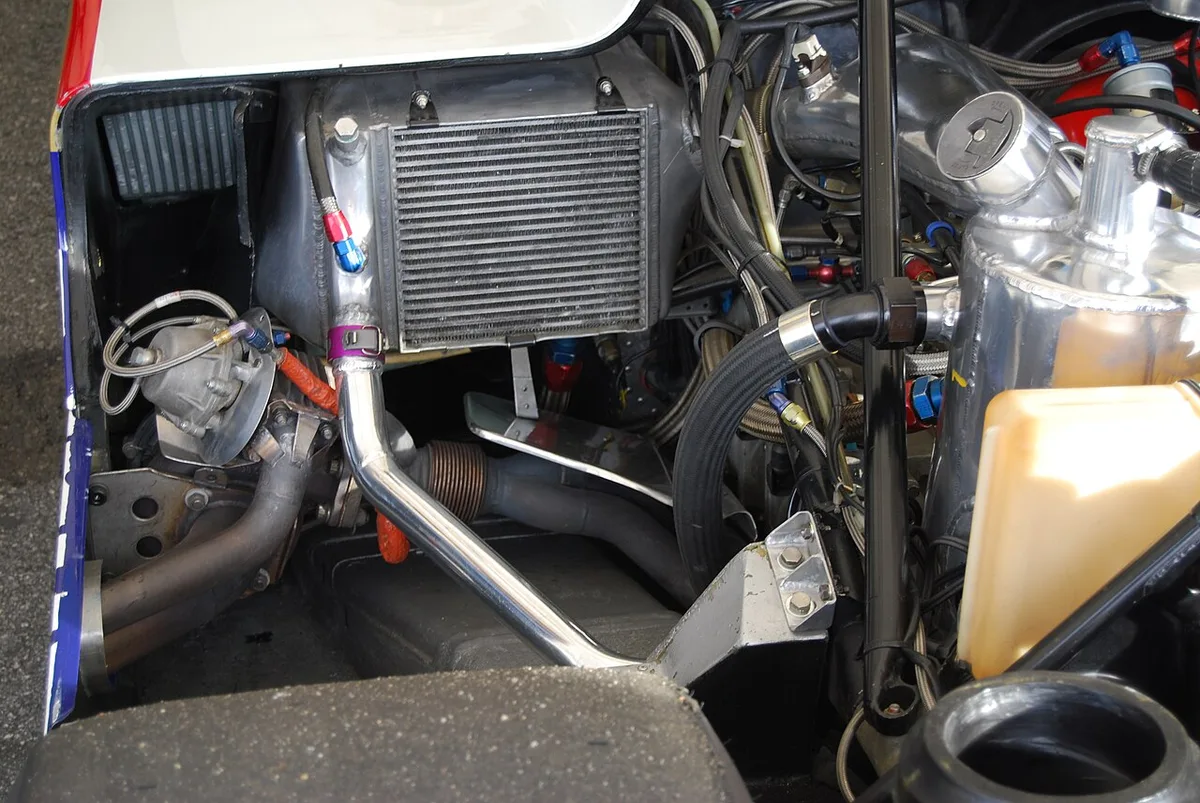
Image source: Wikimedia Commons / Bill Abbott (CC BY-SA)
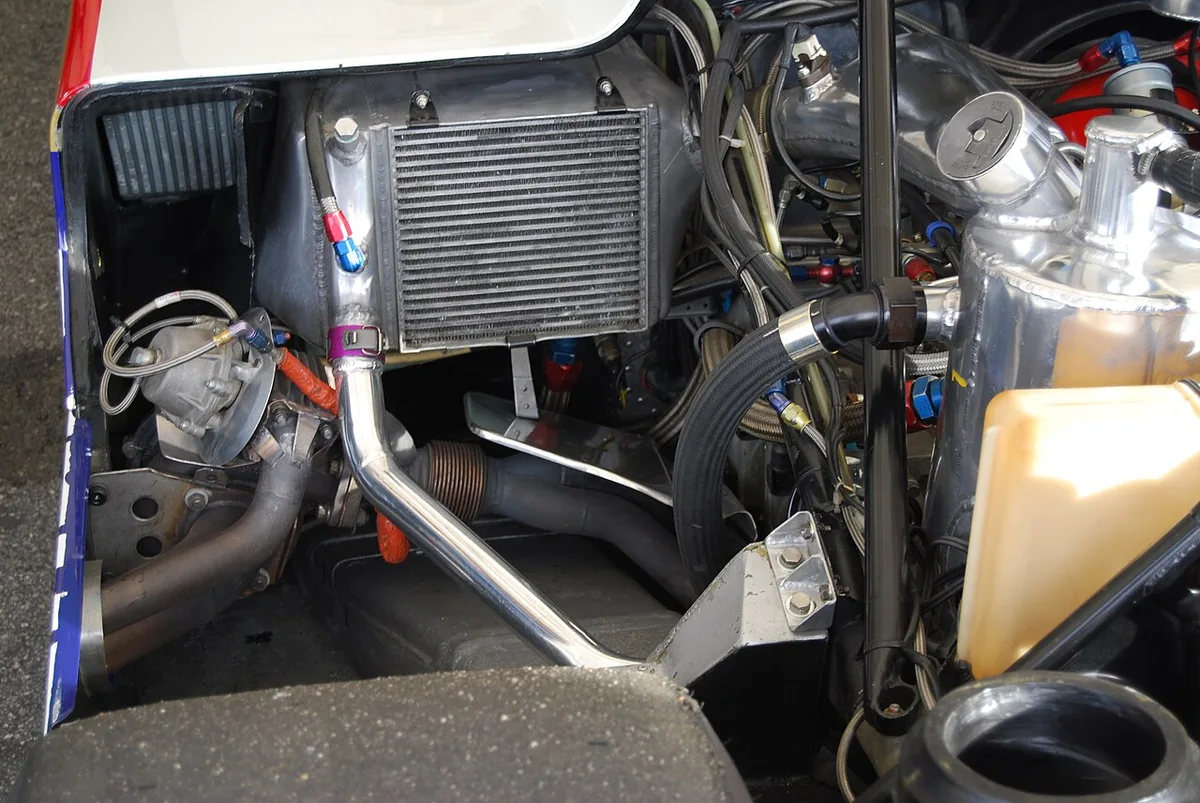
Image source: Wikimedia Commons / Bill Abbott (CC BY-SA)
The systems are designed to work together in many applications. For high-horsepower setups, both are essential. Best Sbc Header Gaskets can complement your cooling upgrades for better overall engine performance.
According to SAE International standards for automotive cooling, proper fan placement and hose routing prevent cavitation and leaks.
Side-by-Side Comparison
When comparing intercooler and radiator, the table below highlights the key differences:
| Aspect | Intercooler | Radiator |
|---|---|---|
| Function | Cools intake air | Cools engine coolant |
| Location | Intake system | Front of vehicle |
| Temperature | 120-180°F | 180-220°F |
| Typical drop | 50-150°F | 20-50°F |
| Material | Aluminum fins | Aluminum fins |
| Fan requirement | Higher CFM | Lower CFM |
This side by side view shows why the intercooler is more critical in modified vehicles.
The radiator is always needed, but the intercooler is a performance add-on.
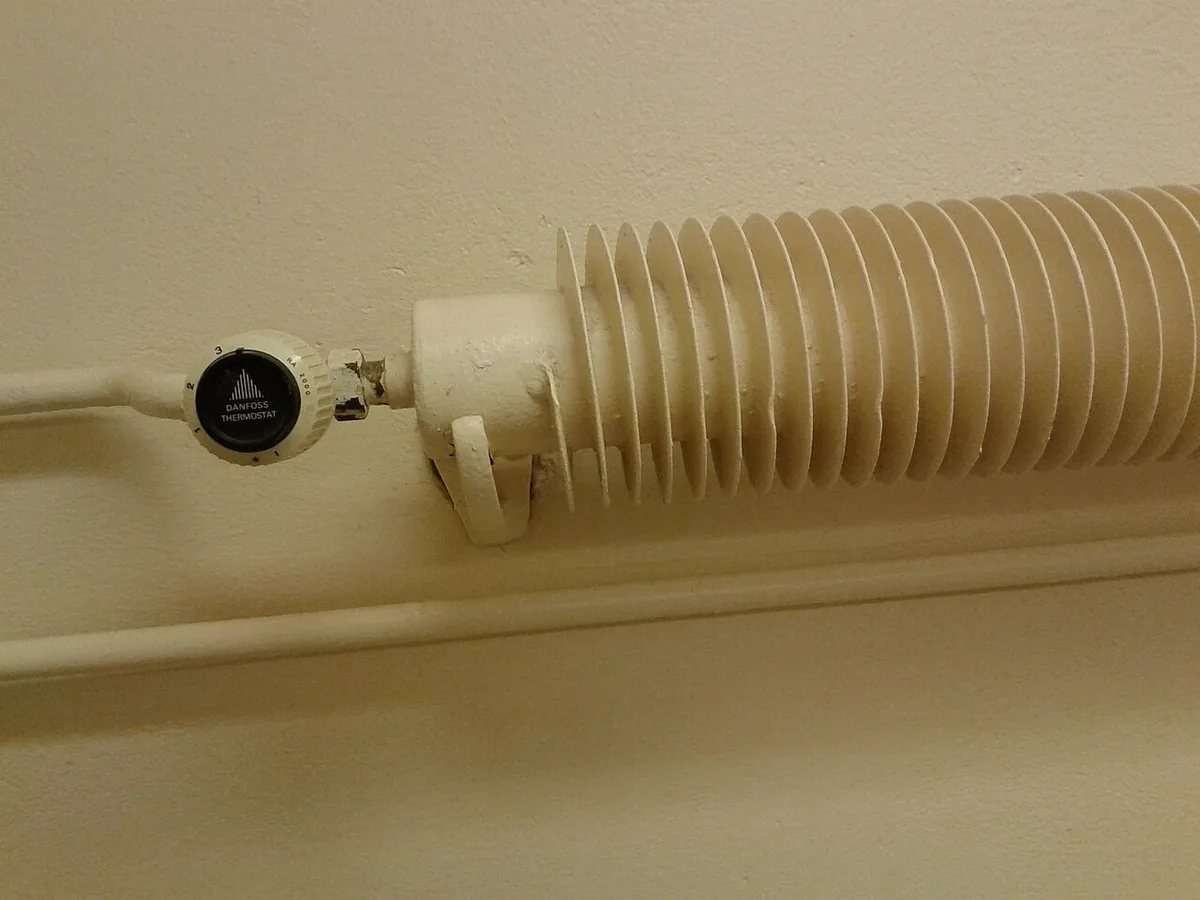
Image source: Wikimedia Commons / LA2 (CC BY-SA)
The intercooler adds cost but provides big gains in power. The radiator is standard and cheaper but limited in performance upgrades. How Much For A Bolt On Turbo Kit often requires both components for best results.
When to Choose Intercooler vs Radiator
Decide between intercooler and radiator based on your vehicle's setup. If your car is turbocharged or supercharged, the intercooler is the one to choose for optimal performance.
For naturally aspirated engines, the radiator handles the cooling needs perfectly.
In hot climates, you may need a larger radiator or upgraded intercooler.
If you're adding power, How Much For A Bolt On Turbo Kit often includes or requires an intercooler.
Use if/then logic: if forced induction, then intercooler; else, radiator.
This helps avoid common errors like ignoring heat soak during spirited driving.
Best Injectors For Lb7 Duramax pairs well with intercooler upgrades for more power. How To Change Automatic Transmission Fluid Filter ensures clean coolant flow when maintaining the radiator side of the system. Always verify your vehicle type before purchase to avoid installation issues.
