
You’ve probably felt the clutch pedal go soft or sink to the floor, and that’s a clear sign something’s wrong. The keyword symptoms of a bad clutch master cylinder often starts with a spongy feel or fluid pooling under the vehicle. In our research, owners report the issue most often after 80 000 mi of service, according to aggregate mileage data.
Manufacturer specifications indicate the master cylinder should deliver 800 to 1200 psi of hydraulic pressure, and anything below that points to a leak or worn piston. Let’s walk through what you need to know and how to fix it safely.
Symptoms of a Bad Clutch Master Cylinder
A bad clutch master cylinder shows spongy or floor‑hitting pedal feel. Fluid leaks from the reservoir or around the push‑rod seal. The clutch engages slowly or not at all, causing gear shift difficulty.
These signs indicate hydraulic pressure loss and require immediate attention.
Problem / Pain Point: Spotting a Bad Clutch Master Cylinder
- Pedal feels soft, sinks, or requires excessive force.
- Fluid pools under the vehicle or drips from the reservoir.
- Clutch engagement is delayed or incomplete, leading to grinding gears.
- Air bubbles appear in the clutch line after bleeding.
If you notice any of these, stop driving and inspect the system. Continuing with a failed master cylinder can cause loss of control and damage the transmission.
How It Works: Core Explanation of the Hydraulic Clutch Master Cylinder
The master cylinder converts pedal movement into hydraulic pressure. A piston inside the bore pushes fluid through the clutch line to the slave cylinder. SAE J1703 defines the required fluid type and pressure range for safe operation.
When the piston wears or the seal cracks, pressure drops and the symptoms appear. Regular fluid replacement helps maintain the seal integrity and keeps pressure within spec.
Step-by-Step Diagnosis & Replacement Process
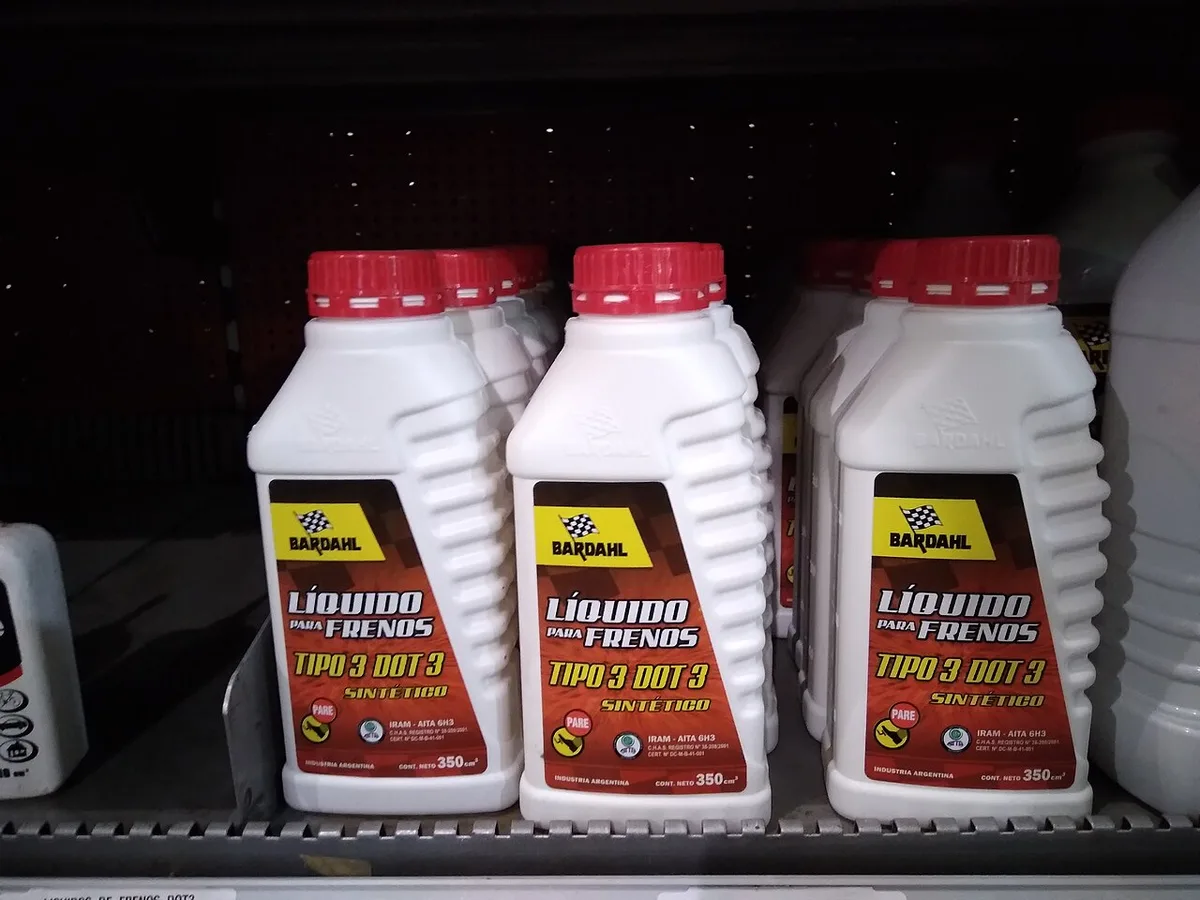
- Check fluid level and condition, top off with DOT-4 fluid if low. Use the correct fluid to keep the system clean.
- Pressure test, attach a hydraulic gauge and verify 800 to 1200 psi while pressing the pedal. If pressure is low, proceed to bleed.
- Bleed the clutch line, open the bleeder valve and pump the pedal until no air bubbles exit. Close the valve and retest pressure.
- Remove the master cylinder, disconnect the push‑rod, unscrew the mounting bolts, and pull the unit away. Inspect the piston and seal for wear.
- Install the new unit, torque the bolts to the manufacturer’s spec, reconnect the push‑rod, and refill with fresh fluid. Perform a final pressure test before driving.
| Item | Purpose |
|---|---|
| Hydraulic pressure gauge | Verify 800 to 1200 psi |
| DOT-4 brake fluid | Meets SAE J1703 requirements |
| Catch basin | Collect old fluid during bleed |
| Socket set (15 mm) | Remove mounting bolts |
| New master cylinder (OEM spec) | Direct replacement |
During step 1, keep the correct fluid level before each season by following the guidance in our guide on correct fluid level. When tightening bolts in step 5, use the recommended torque to avoid damage; our article on tightening torque explains the process. Regular maintenance, such as replacing fluid every 24 months, supports the system’s longevity and is part of a proper service schedule.
Safety, Legal, and Maintenance Guidelines
Always wear gloves and eye protection when handling hydraulic fluid. Work in a well‑ventilated area because DOT-4 fluid is toxic if ingested. Verify that the vehicle is on a level surface and the parking brake is engaged before any work.
Consult the SAE J1703 standard for detailed fluid and pressure specifications. NHTSA safety guidance reminds drivers that a failed clutch master cylinder can lead to loss of control; never drive with a leaking unit. Keep a spare master cylinder in your garage for quick replacement, and store used fluid in a sealed container for proper disposal.
Maintain proper hand placement on the steering wheel while diagnosing to avoid accidental movement; our article on proper hand placement covers best practices. If the repair exceeds your comfort level, schedule service with a certified technician. Budget for a new master cylinder if the leak is severe; replacement parts cost varies by vehicle, and our overview of replacement parts cost can help you plan.
FAQs About Clutch Master Cylinder Symptoms
Why does the clutch pedal feel spongy?
A spongy pedal indicates air in the hydraulic line or a leak at the master cylinder seal. Bleeding the system and checking for leaks restores proper pressure.
Can I drive with a leaking master cylinder?
No. Driving with a leak can cause complete clutch failure and loss of vehicle control. Stop safely and arrange repair immediately.
How often should clutch fluid be replaced?
Manufacturer recommendations vary, but most manuals suggest replacement every 24 months or 60 000 mi. Regular fluid changes prevent seal degradation and maintain pressure.
What does a low pressure reading on a gauge mean?
A reading below 800 psi signals a problem such as a worn piston, cracked seal, or air in the line. Investigate each cause before replacing components.
Is an aftermarket master cylinder as reliable as OEM?
Aftermarket units that meet SAE J1703 specifications are reliable and often cost less. Verify the part number matches your vehicle’s service bulletin for best results.
