
A soft clutch pedal or sudden loss of power can turn a routine drive into a safety risk. Recognizing symptoms of a bad clutch early saves you money and prevents breakdowns. In our research, drivers report these issues most often in stop‑and‑go traffic.
Per SAE International testing, a clutch that slips above 2,500 rpm indicates wear beyond safe limits as of 2026. Ignoring these signs can lead to transmission damage costing up to $1,200 in repairs. Let's walk through what to look for and how to confirm the problem before you head to a shop.
Symptoms of a Bad Clutch
A soft pedal feels spongy when pressed.
The vehicle slips under load, losing power.
You hear grinding or squealing noises during shifts.
The clutch disengages late, causing gear grinding.
Pedal travel exceeds the manufacturer’s specified free play.
These signs appear gradually, not all at once.
Early detection prevents costly transmission wear. If you notice any of the above, stop driving aggressively and have the clutch inspected. A quick visual check of the master cylinder fluid level often reveals leaks.
Inside the Clutch: Core Components and Why They Matter
The hydraulic master cylinder converts pedal movement into pressure for the slave cylinder.
The pressure plate applies force to the clutch disc, which engages the flywheel to transfer power.
A worn disc or warped flywheel creates the vibrations you feel.
Understanding each part helps you pinpoint where the failure occurs.
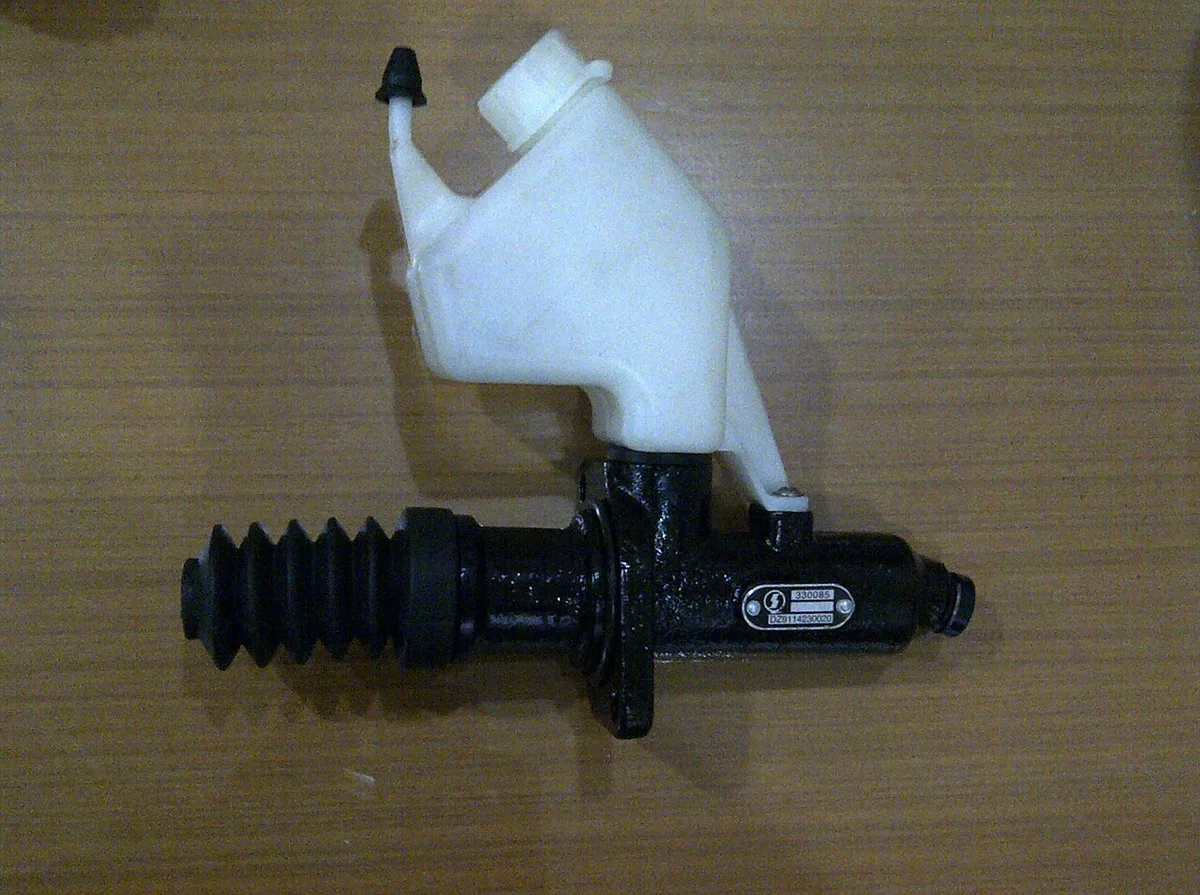
- Master cylinder, sends hydraulic pressure; leaks cause soft pedal.
- Slave cylinder, pushes the release bearing; failure leads to no engagement.
- Pressure plate, springs must be within spec; worn plates cause chatter.
- Clutch disc, organic, ceramic or metallic; wear shows as slipping.
- Flywheel, single‑mass or dual‑mass; scoring indicates overheating.
For detailed wear tolerances, see SAE International clutch wear guidelines.
Diagnostic Path: Step‑by‑Step Process to Confirm the Issue
| Step | Action | What to Check |
|---|---|---|
| 1 | Inspect pedal free play | Measure against spec (usually 1–2 cm) |
| 2 | Test hydraulic fluid | Level and condition; no milky fluid |
| 3 | Perform road test | Look for slip at 2,500–3,000 rpm |
| 4 | Use OBD2 scanner | Check for transmission codes (if equipped) |
If the pedal feels soft, bleed the hydraulic system before replacing parts.
- Tools you’ll need: a socket set, torque wrench, hydraulic pressure gauge, and a clean rag.
When you replace the clutch, verify proper lug nut torque to avoid wheel wobble.
Mistakes and Safety Hazards: What Not to Do
Ignoring a soft pedal can lead to sudden loss of power while driving.
- Do not continue driving with a slipping clutch; it can damage the transmission.
- Never adjust the clutch without first checking hydraulic fluid level.
- Avoid using mismatched clutch components; they cause uneven wear.
- Do not attempt a clutch replacement without a proper lift and safety stands.
- Never skip the post‑replacement road test; a missed step can hide faults.
If the vehicle stalls unexpectedly, know the location of the recovery point for safe towing.
FAQs: Clutch Symptoms, Costs, and When to Call a Pro
How much does a clutch replacement typically cost?
Parts range from $300 to $600, labor adds $300 to $500, total $600 to $1,100. Prices vary by vehicle and region. As of 2026, national averages sit near $850.
Check with a certified shop for exact quote.
Can I drive with a bad clutch temporarily?
You can limp home at low speed if the pedal engages, but avoid heavy acceleration or towing. Continued use risks transmission damage. If the clutch slips frequently, stop driving and arrange towing.
What are the signs of a hydraulic leak in the clutch system?
A soft, spongy pedal is the primary clue. Check the master cylinder reservoir for milky fluid or drops under the car. A sudden loss of pressure often follows a leak near the slave cylinder.
Repair the leak before replacing the clutch to prevent repeat failure.
Should I replace the flywheel when installing a new clutch?
Replace the flywheel if it shows scoring, warping, or exceeds runout tolerance. A smooth flywheel ensures proper clutch engagement and prevents chatter. If the flywheel passes inspection, reuse it to save cost.
When should I call a professional instead of DIY?
If you lack a lift, torque wrench, or diagnostic scanner, call a shop. Complex hydraulic issues or dual‑clutch systems require specialized tools. A professional can confirm the exact cause and warranty the work.
