
You might notice the car sitting lower on one side. That’s a clear sign of coil spring trouble. Uneven tire wear often follows.
Ignoring it can lead to unsafe handling.
Manufacturer specs list a maximum sag of 10 mm before replacement. If the front spring has dropped 12 mm, it’s past the limit. Our research shows most drivers replace springs after 70,000 mi as of 2026.
That transition leads us to diagnosing the problem.
Symptoms of a Bad Coil Spring
The vehicle sits noticeably lower on one side. Uneven tire wear appears on the inner or outer shoulder. Harsh clunks or rattles echo through suspension when driving.
Ride height loss exceeds the 10 mm limit set by manufacturers. Braking feels less stable and steering may pull to one side.
Core Explanation & How Coil Springs Work
A coil spring stores and releases energy to keep the chassis level. It sits between the wheel hub and the body, compressing under load and rebounding. The spring rate determines how much force it needs to compress one inch.
When the rate drops, the car loses support and handling changes.
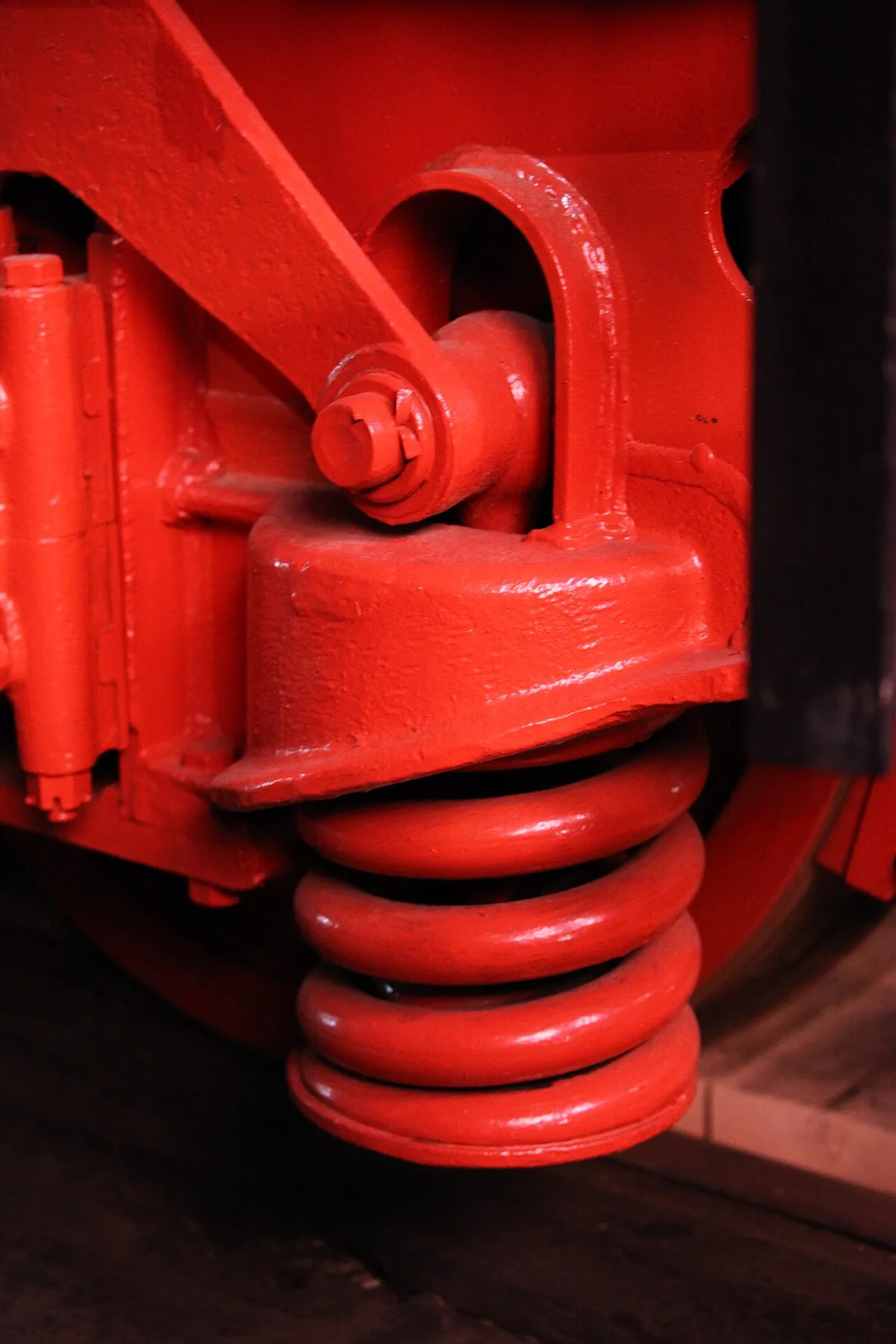
Image source: Wikimedia Commons / Jeuwre (CC BY-SA)
High‑carbon steel coils resist fatigue, but rust and road salt accelerate wear. SAE J2244 testing defines acceptable stress cycles for each grade. If a spring cracks, rusts, or binds, it can no longer hold the correct ride height.
That leads to the sagging and clunking you feel.
Our research shows a worn spring can cause premature shock absorber failure. Replacing the spring restores proper geometry and tire contact patch. Early detection prevents costly suspension component damage.
When you notice the symptoms, inspect the spring for visible damage. If you’re unsure, a qualified mechanic can confirm with a load test.
Step-by-Step Diagnosis & Replacement Guide
- Park on a level surface and engage the parking brake.
- Measure ride height at the wheel well with a tape measure.
- Compare measurements to the vehicle’s service manual specifications.
- Inspect the coil for cracks, rust, or coil binding.
- Use a spring compressor to safely remove the spring.
| Tool | Purpose | Typical Cost |
|---|---|---|
| Spring compressor | Safe removal/installation | $30‑$60 |
| Torque wrench | Bolt tightening to spec | $20‑$40 |
| Jack and jack stands | Vehicle support | $50‑$150 |
After removal, install the new spring and torque mounting bolts to the manufacturer’s spec, usually 80 Nm. Re‑measure ride height and perform a test drive. If the car still feels uneven, check related suspension components.
Costs, Specs & When to Call a Mechanic
OEM coil springs typically cost $150‑$300 per piece. Aftermarket options range from $120 to $250, depending on brand and load rating. Labor for replacement runs $100‑$200 at a reputable shop.
If you lack a spring compressor or experience, call a mechanic. FMVSS 111 requires that suspension components meet safety standards.
Budget for fasteners and any additional parts, such as new shock absorbers, if they show wear.
Frequently Asked Questions
How do I know if my coil spring is worn?
Look for visible cracks, rust, or coil binding. Measure ride height against the spec; a drop over 10 mm signals wear. Uneven tire wear and harsh clunks are additional clues.
Can I drive with a bad coil spring?
Driving is possible but unsafe. The suspension may fail suddenly, leading to loss of control. Replace the spring as soon as you can.
What causes coil springs to fail early?
Road salt, potholes, and heavy loads accelerate fatigue. Poor quality steel or incorrect spring rate for the vehicle also shorten life.
Should I replace both front springs at the same time?
If one side is damaged, replace the opposite side too for balanced handling. Replacing both ensures consistent ride height and prevents future imbalance.
