
A broken wheel stud can leave you stranded and damage the hub. If you notice a wobbly wheel or a missing lug nut, the stud may be stripped or cracked. Replacing it restores safety and keeps the vehicle roadworthy.
This guide covers how to replace a wheel stud.
Per SAE J2244, new studs must be torqued to 90, 100 ft‑lb. Manufacturer manuals list this range for most passenger cars as of 2026. Gather a torque wrench, stud puller, and safety gear before you start.
The following sections walk you through each step.
Problem & When to Replace a Wheel Stud
Spotting a broken or stripped stud
- Loose or missing lug nut indicates stud damage.
- Vibration at the wheel often points to a cracked stud.
- Visual rust or corrosion around the hub bore suggests wear.
Situations that demand replacement (DIY, shop, fleet)
- You replaced a wheel and the stud won’t accept a lug nut.
- After a collision, the hub shows cracked threads.
- Fleet maintenance schedules call for stud inspection every 30,000 mi.
Check the stud with a thread gauge; if it fails, replace it.
How to Replace a Wheel Stud
Replace the stud by removing the wheel, extracting the old stud with a puller, cleaning the hub bore, installing a new stud, and torquing it to specification.
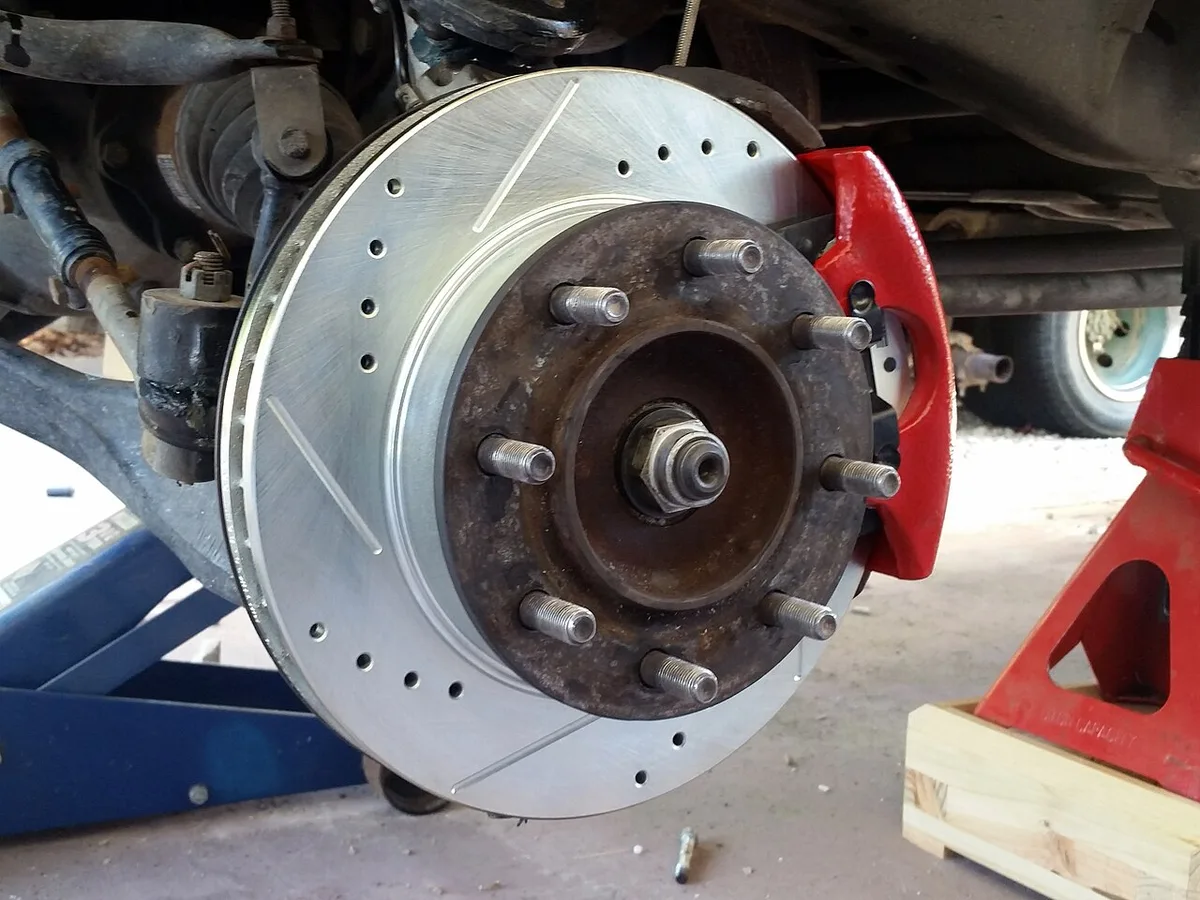
Image source: Wikimedia Commons / simonov (CC BY-SA)
Quick steps in plain terms
- Secure the car on jack stands per OSHA jack‑stand guidelines.
- Remove the wheel and brake caliper to access the hub.
3: Use a stud puller to remove the old stud.
4: Clean the hub bore and insert the new stud.
5: Torque the stud to 90, 100 ft‑lb in a star pattern.
Step-by-Step Process & Tools
Gather tools, safety gear, and OEM specs
- Torque wrench (click‑type, 0, 150 ft‑lb).
- Stud puller or slide hammer.
- Safety glasses, gloves, and jack stands.
- OEM service manual for exact torque values.
| Item | Purpose | Typical Spec |
|---|---|---|
| Torque wrench | Apply precise torque | 0–150 ft‑lb |
| Stud puller | Extract broken stud | 12 mm hex |
| Jack stands | Support vehicle safely | Rated 2,000 lb |
| Safety glasses | Protect eyes | ANSI Z87.1 |
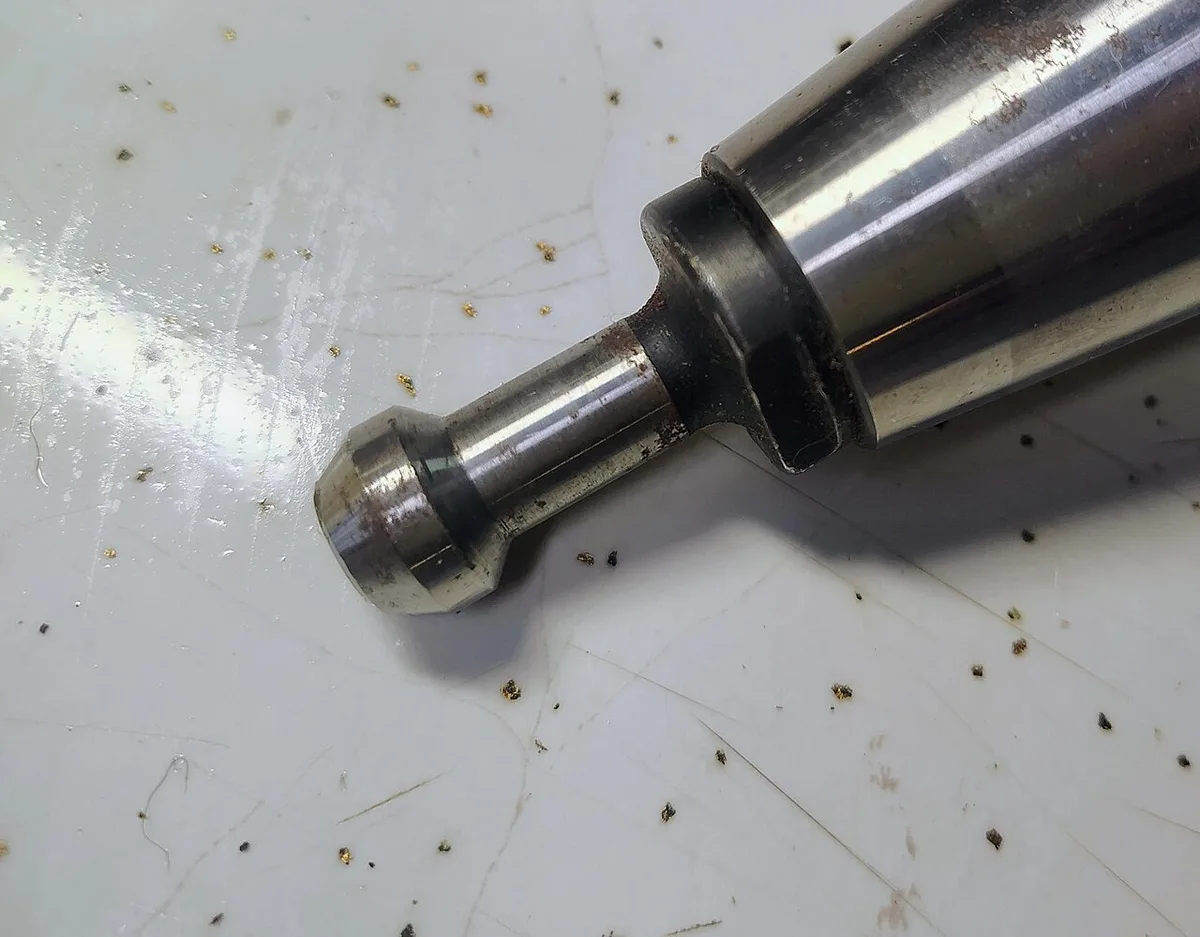
Image source: Wikimedia Commons / Progress and Poverty (CC BY)
Secure vehicle and remove components
Park on level ground, engage the parking brake, and place wheel chocks. Lift the car with a floor jack and set it on sturdy jack stands. Remove the lug nuts, then the wheel.
Unbolt the brake caliper and set it aside, keeping the bolts organized.
Extract and install the stud
Insert the puller into the stud head and apply steady pressure until the stud releases. If the stud snaps, use a slide hammer to tap it out gently. Clean the hub bore with a wire brush, then coat the new stud with anti‑seize.
Press the stud into the hub until it seats fully.
Torque and final check
Place the wheel back on the hub and hand‑tighten the lug nuts. Lower the vehicle to the ground, then torque each lug nut in a star pattern to the OEM spec. Verify the wheel spins freely and re‑check torque after a short drive.
Mistakes to Avoid & Safety Warnings
Image source: Wikimedia Commons / Senior Airman LAUSANNE KINDER
Common errors
- Skipping the star pattern can cause uneven clamping force.
- Using a worn‑out puller may damage the hub bore.
- Ignoring the torque spec leads to wheel wobble or stud failure.
Safety checklist
- Always use jack stands; never rely on a jack alone.
- Wear safety glasses and gloves when pulling studs.
- Verify the new stud is fully seated before torquing.
Follow SAE J2244 for torque limits and consult the NHTSA wheel safety guide for additional precautions.
Frequently Asked Questions
How much torque should I apply to a new stud?
Apply 90, 100 ft‑lb as specified in the OEM manual; use a calibrated torque wrench and tighten in a star pattern.
Can I reuse an old lug nut after stud replacement?
Inspect the lug nut for wear and damage; replace it if threads are stretched or corroded.
What if the stud snaps off inside the hub?
Do not force it; use a stud puller or slide hammer to extract it carefully, then clean the bore before installing a new stud.
Do I need special tools for a rusted stud?
A heat gun can loosen rust, but a proper stud puller is still required to avoid hub damage.
How often should I inspect wheel studs?
Check them at every tire rotation or 5,000 mi interval; replace any that show wear or corrosion.
For detailed guidance on lug nut torque, see impact wrench usage. For budgeting, review the cost of replacement lug nuts. If you need to locate the recovery point after a breakdown, refer to the recovery point location guide.
For proper light bar mounting, check the light bar mounting tips. Finally, maintain correct hand placement while driving by following the hand placement guide.
