
If you hear a clunk or feel a vibration at highway speed, a bad driveshaft could be the culprit. The driveshaft transmits power from the transmission to the rear axle, and wear can cause noticeable problems. Recognizing early signs saves you from costly drivetrain damage.
Per SAE J1349, driveshaft runout should stay below 0.010 in for safe operation as of 2026. Ignoring excessive wobble can lead to u‑joint failure and loss of control. Let’s walk through the most common symptoms and what to check first.
Symptoms of a Bad Driveshaft
A bad driveshaft produces clunking, vibration, and whining noises during driving. Vibration intensifies between 60 and 120 mph and may pulse with speed. Clunks often occur when shifting gears or accelerating from a stop.
Whining noise rises with engine RPM and can mimic a tire hum.
How It Works & Components
The driveshaft is a rotating shaft that carries power from the transmission to the rear axle. It spins at thousands of RPM and must stay perfectly balanced. Any imbalance creates vibration that the driver feels through the steering wheel.
- U‑joint: transmits torque at angles up to 30 degrees.
- CV joint: allows smooth power transfer on front‑wheel‑drive axles.
- Slip yoke: slides to accommodate suspension travel.
- Tube and yoke: steel or aluminum construction for strength and weight.
- Balancing weights: added to offset manufacturing tolerances.
Operating angles beyond 30 degrees cause premature u‑joint wear and increased vibration. Dynamic balancing removes residual imbalance that static checks miss. Steel tubes provide durability.
Aluminum reduces weight for performance cars. Low‑frequency whine often indicates worn splines; high‑frequency buzz points to bearing wear. SAE J1349 defines acceptable runout tolerances for safe operation.
Keeping the correct fluid level helps avoid false readings. Wear on u‑joint boots, cracked splines, or cracked tubes are visual clues. If the driveshaft is bent or the splines are damaged, replacement is required.
Regular checks every 30,000 miles keep the drivetrain reliable. Ignoring symptoms can lead to axle failure, costing thousands in repairs.
Diagnosis & Repair Workflow
Start by raising the vehicle on a secure lift or sturdy ramps to access the driveshaft. Use a safe lift to avoid instability. Look for cracked or torn u‑joint boots; replace them if damaged.
Have a helper drive the car while you watch for wobble at 60 mph.
Mount a dial indicator on the driveshaft and rotate it to read runout.
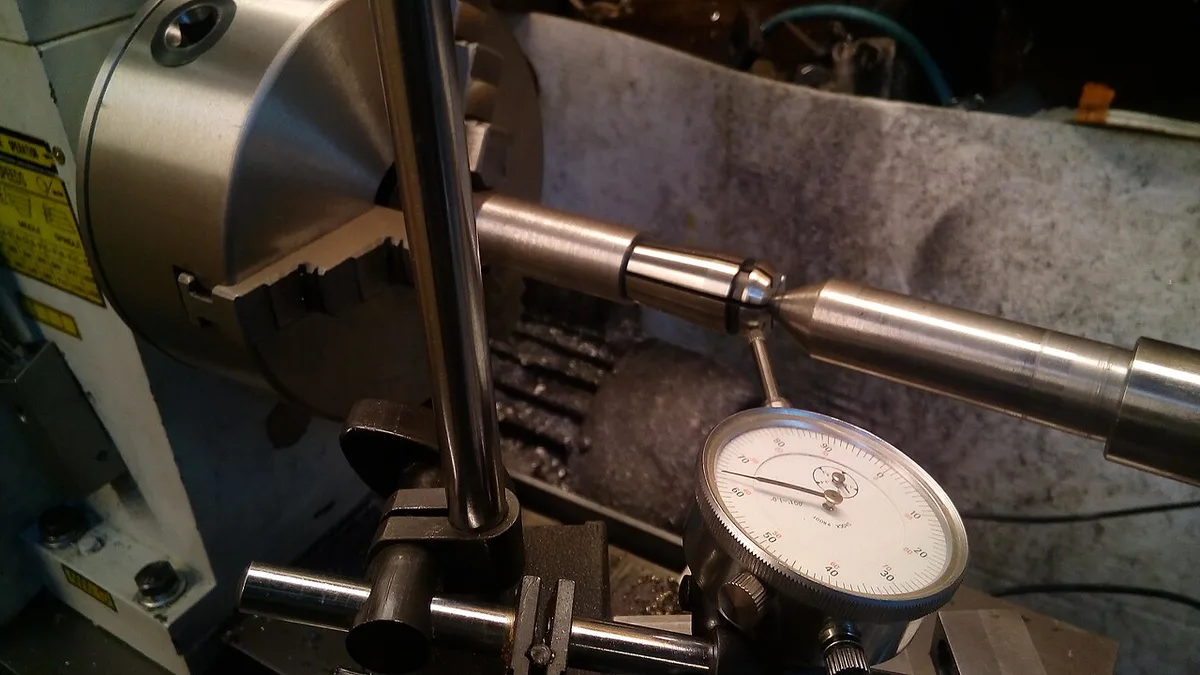
Image source: Wikimedia Commons / David English (CC BY-SA)
Runout above 0.010 in indicates imbalance. Torque the driveshaft bolts to manufacturer spec using a calibrated wrench. Refer to the proper torque values for your model.
After reinstallation, road‑test at highway speed to confirm vibration is gone. If any component feels loose or you hear unusual noises, stop and consult a professional. Follow the NHTSA safety guide for proper procedures.
Addressing symptoms early prevents axle damage and keeps your vehicle safe.
Costs, Comparisons & Expert Tips
Prices reflect market rates as of 2026.
| Item | Typical Cost (2026) |
|---|---|
| OEM driveshaft | $450–$800 |
| Aftermarket driveshaft | $250–$500 |
| Labor (shop) | $150–$300 |
| Total replacement | $600–$1,100 |
OEM units meet factory specifications; aftermarket units may offer upgrades. Keeping the transmission fluid clean extends driveshaft life. Always attach a recovery point before lifting heavy vehicles.
If you need extra cranking power, use the starter fluid as directed. Check u‑joint condition before replacing the whole shaft; sometimes only the joint needs service. Use the correct torque sequence to avoid loosening over time.
Inspect splines for wear; replace if pitting is visible. Follow the NHTSA safety guide for proper lifting and torque procedures.
What does a bad driveshaft sound like?
A bad driveshaft typically produces a low‑frequency clunk when shifting or accelerating, a high‑frequency whine that rises with engine speed, and a vibration that becomes noticeable between 60 and 120 mph. The noise often changes pitch as the vehicle speeds up, and the vibration may pulse in time with the drivetrain rotation.
Can a bad driveshaft cause transmission damage?
Yes, a failing driveshaft can overload the transmission output shaft and cause premature wear on the transmission bearings. Excessive vibration transfers stress to the transmission gears, potentially leading to fluid contamination and reduced lifespan. Addressing the driveshaft issue promptly protects the entire drivetrain.
How often should I inspect the driveshaft?
Inspect the driveshaft every 30,000 miles or whenever you notice unusual noises or vibrations. A quick visual check of the u‑joint boots and a runout measurement can catch problems before they become critical. Regular inspections are especially important for vehicles used in harsh conditions or heavy loads.
When should I replace the driveshaft instead of repairing?
Replace the driveshaft if you find cracked or worn u‑joint boots, bent or cracked tubes, or if runout exceeds 0.010 in after balancing. Minor issues like loose bolts or worn splines can often be repaired, but severe damage or repeated failures warrant a new unit. Using OEM or high‑quality aftermarket parts ensures reliability.
Final verdict: Early detection of driveshaft symptoms prevents costly drivetrain failure and keeps your vehicle safe. If you’re unsure, have a qualified technician perform a thorough inspection and repair.
Frequently Asked Questions
How do I know if the driveshaft is causing vibration?
Vibration that increases with speed, especially between 60 and 120 mph, often points to driveshaft imbalance. Check runout with a dial indicator. Readings above 0.010 in confirm the issue.
If the vibration is felt in the steering wheel and worsens at higher RPMs, the driveshaft is likely the source.
Can a bad driveshaft cause transmission damage?
Yes, excessive vibration transfers stress to the transmission output shaft and bearings. Over time this can lead to premature wear, fluid contamination, and loss of power. Replace or repair the driveshaft promptly to protect the drivetrain.
For detailed guidance, see transmission fluid filter maintenance tips.
When should I replace the driveshaft instead of repairing it?
Replace if the tube is cracked, the u‑joint boots are torn, or runout exceeds 0.010 in after balancing. Minor issues like loose bolts or worn splines can often be repaired. Using OEM or high‑quality aftermarket parts ensures reliability.
How often should I inspect the driveshaft?
Inspect every 30,000 miles or whenever you notice unusual noises or vibrations. A quick visual check of the u‑joint boots and a runout measurement catches problems early. Regular checks are especially important for heavy‑duty or off‑road use.
Refer to UMTRI safety guidelines for industry standards.
Final Verdict
In short, catching driveshaft issues early avoids expensive drivetrain repairs and maintains vehicle safety. When in doubt, have a qualified technician inspect and repair the component.
