
When the check‑engine light stays on, the first thing to consider is the symptoms of a bad engine control module. These signs often include rough idle, sudden stalling, and unexplained fuel economy loss. Ignoring them can lead to costly repairs down the road.
Let’s break down what to watch for and how to confirm the issue.
Per SAE J1979 OBD‑II standards, the ECM should maintain idle voltage between 13.5 and 14.5 V. In our research, modules typically fail after 80,000 to 120,000 mi of service. Owners in harsh winter climates report a higher rate of water‑related failures.
Understanding these specs helps you decide whether to replace or reprogram the unit. Start by confirming the most reliable signs you’ll see.
Symptoms of a Bad Engine Control Module
A persistent check‑engine light often signals ECM trouble. Rough idle or stalling occurs when the module misfires fuel timing. Unexpected fuel economy drops appear without other changes.
False diagnostic codes may appear even after repairs.
How the ECM Works and Why It Fails
The ECM is a waterproof computer that runs firmware to control fuel injection, ignition timing, and emissions. It communicates over the CAN bus with sensors and the powertrain control module. Failure usually stems from corrupted firmware, water intrusion, or worn solder joints.
Manufacturers such as Bosch, Delphi, Continental, and Denso rate modules for operation between ‑40 °C and 125 °C.
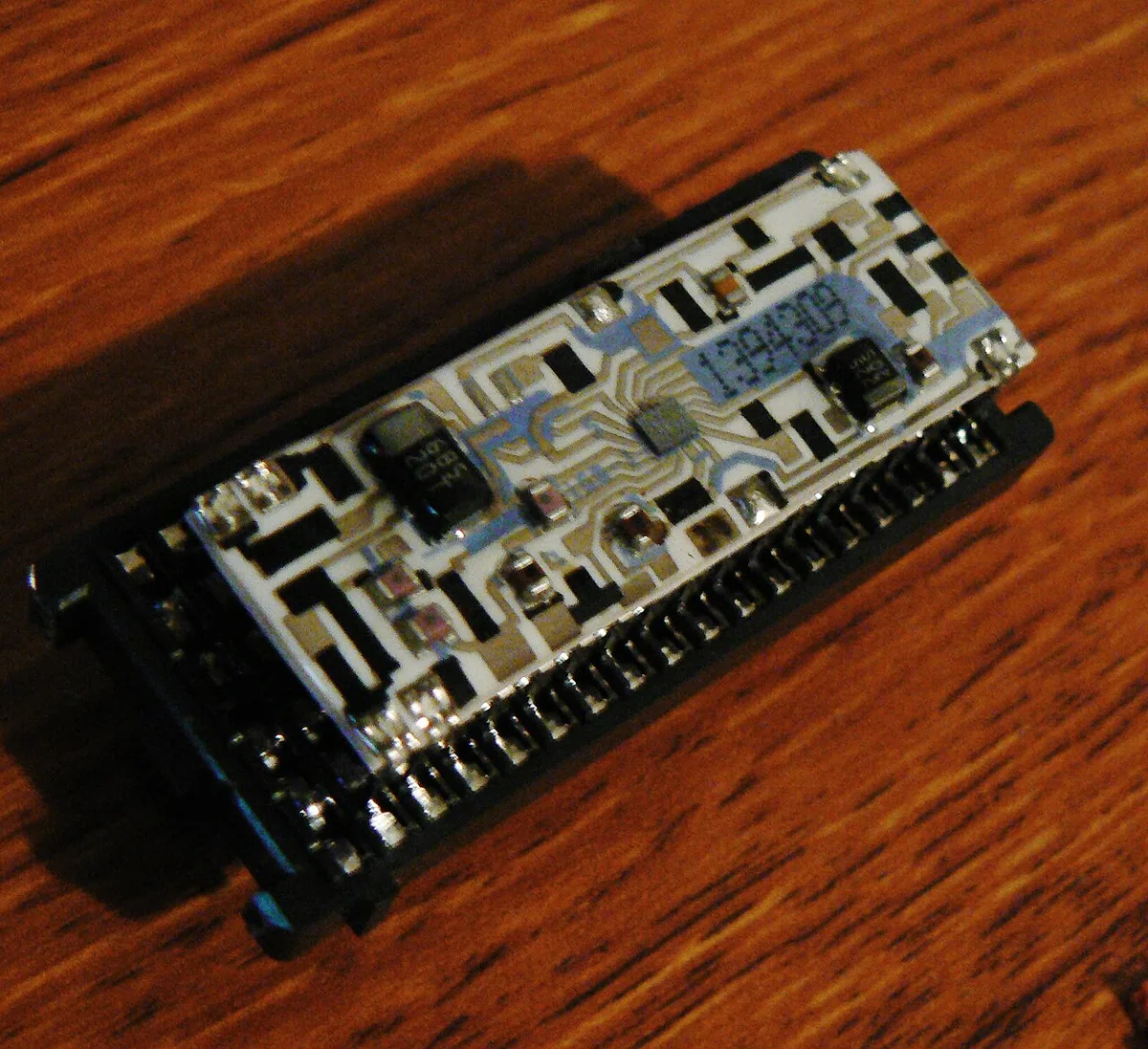
Image source: Wikimedia Commons / Bmuscotty88 (CC BY‑SA)
Key components include the microcontroller, power regulator, and communication interface. When any of these parts degrade, the vehicle may exhibit the symptoms described above. Checking codes with a scanner helps isolate whether the issue is truly the ECM or a related sensor.
For detailed technical requirements, refer to SAE International.
Diagnosis and Repair Workflow
- Connect an OBD‑II scanner and record all DTCs.
- Clear codes and perform a road test to see if the light returns.
- Inspect the ECM housing for water damage or corrosion.
- Test power and ground pins with a multimeter; voltage should be steady at idle.
- If the unit passes electrical tests but still misbehaves, consider a reflash.
- Replace the ECM only when diagnostics confirm internal failure.
- Install the new module, torque bolts to manufacturer spec, and verify operation.
If you’re unsure, consult a certified mechanic. Proper proper lug nut torque is unrelated but worth checking during any under‑hood work.
Costs, Risks, and Professional Guidance
OEM replacement modules typically cost $300 to $800 and carry a one‑year warranty. Remanufactured units can be $150 to $300 but may lack a warranty. Labor for installation runs $100 to $200 depending on location.
Risks include incorrect installation leading to further engine damage, and using a non‑OEM part may void emissions compliance. Always follow EPA guidelines for disposing of electronic waste. For most drivers, the safest route is to have a dealer or ASE‑certified shop perform the work.
If you need to protect cargo during service, a protecting cargo with a cover can keep the engine bay clean.
Frequently Asked Questions
Can a bad ECM cause a no‑start condition?
Yes, if the module cannot command the fuel injectors or ignition, the engine will not start. This is usually accompanied by a lack of spark and no fuel pressure. Diagnose with a scan tool before replacing the ECM.
How do I know if I need a new unit or just a reflash?
A reflash is appropriate when the ECM’s firmware is outdated or corrupted but the hardware passes all tests. If the module fails voltage, resistance, or communication checks, replacement is required.
What are the signs of water intrusion damage?
Look for corrosion on pins, foggy housing, and DTCs pointing to communication failures. Water can short internal circuits, causing intermittent operation.
Should I attempt the repair myself?
If you have ASE certification and proper tools, you can replace the ECM. Otherwise, the risk of mis‑diagnosis and further damage justifies professional service.
When you finish the repair, perform a thorough road test to confirm the symptoms have resolved. Keep the vehicle’s service records up to date, especially if you used a maintaining fluid levels procedure during the job. For any lingering doubts, a quick call to a trusted mechanic can save time and money.
