
Cold starts that cough, sputter, or refuse to fire are often blamed on the battery, but the real culprit can be a failing glow plug. In our research, diesel owners report hard starts in sub‑zero weather as the most common sign of a bad glow plug. The heating element simply can’t reach the required temperature, leaving the engine without the spark it needs.
Per SAE J1235, a glow plug must heat to 2,500 °C within five seconds of voltage application. Manufacturers specify a resistance range of 0.5 Ω to 2.0 Ω for most 12‑volt plugs. Knowing these numbers helps you spot when something is off.
Symptoms of a Bad Glow Plug
A bad glow plug causes rough idle after start‑up. You may see fault codes P0670 through P0675 on the scanner. The engine can misfire or stall when idling in cold weather.
Replacement restores smooth cold‑start performance.
Recognizing Bad Glow Plug Symptoms
Hard starting in temperatures below 32 °F is the top red flag. Rough idle or a brief stumble right after the engine fires is another clue. Fault codes related to glow plug circuitry appear in the OBD‑II system.
If you notice reduced fuel efficiency in winter, a failing plug may be draining extra power.
Quick check
- Scan for codes with an OBD‑II scanner.
- Listen for a delayed crank or a “click‑click” sound.
- Observe exhaust smoke that’s unusually thick on cold start.
If you see any of these, move to diagnosis.
How Glow Plugs Work and Why They Fail
Glow plugs act like tiny ovens that ignite diesel fuel when the engine is cold. A ceramic or metal tip heats to thousands of degrees in seconds, creating the spark needed for combustion. Over time, carbon buildup, tip erosion, or a broken heating element reduces heat output.
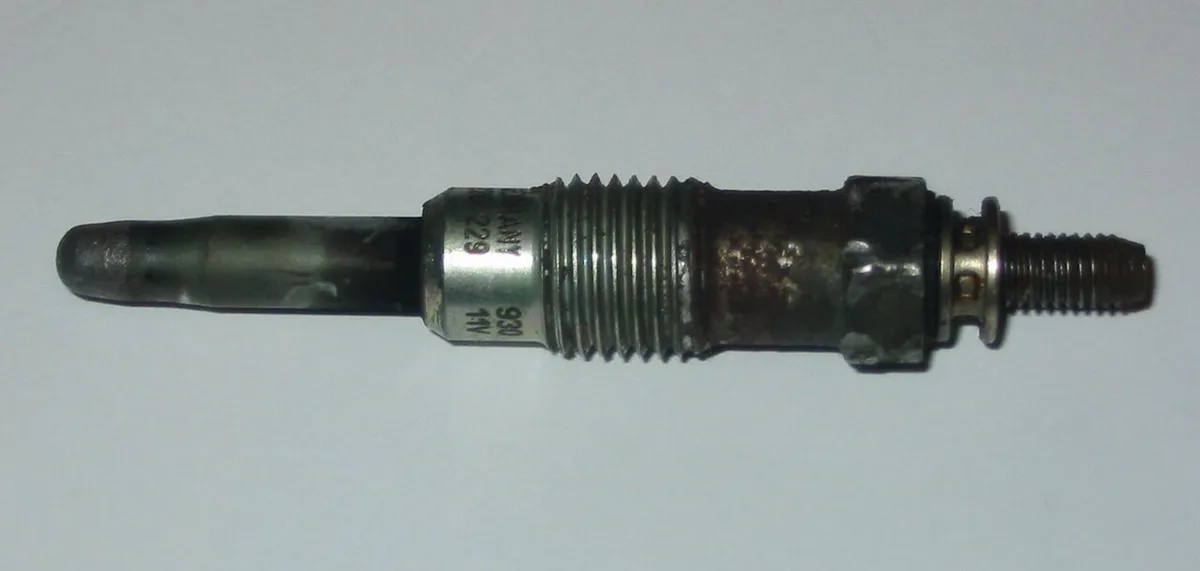
When the tip can’t reach the target temperature, the engine misfires. Manufacturer data shows most plugs last 30,000, 100,000 mi, depending on duty cycle. External factors like frequent short trips accelerate wear because the plug never fully cools.
Understanding the failure modes helps you decide whether to replace the plug or the whole relay.
Step-by-Step Diagnosis and Replacement
| Step | Action | Tool |
|---|---|---|
| 1 | Clear any stored codes and start the engine | OBD‑II scanner |
| 2 | Test relay voltage with a multimeter | Multimeter |
| 3 | Measure plug resistance (0.5–2.0 Ω) | Multimeter |
| 4 | Inspect tip for carbon or damage | Flashlight |
| 5 | Remove old plug, torque new one to 10 Nm | Socket wrench |
Start by scanning for codes; this often points directly to the faulty plug. If the relay shows no voltage, replace it before tackling the plug. Use a multimeter to confirm resistance is within spec.
When installing the new plug, tighten to the manufacturer’s torque to avoid stripping threads. After replacement, clear codes and perform a cold‑start test. If the engine still hesitates, repeat the resistance test on the new plug.
For detailed torque procedures, see our guide on tighten to spec. If you need a temporary start aid while waiting for parts, check out temporary start aid.
Costs, Specs & Safety: What to Know Before You Buy
OEM glow plugs typically cost $45, $120, while aftermarket options range from $30, $80. Expect labor around $100, $150 at a shop, or DIY saves that cost. Use the correct thread size, M10, M12, or M14, and length for your engine.
Safety first: disconnect the battery before accessing the glow plug circuit. Wear insulated gloves and eye protection to avoid electric shock. Work in a well‑ventilated area because diesel fumes can accumulate.
For a safe lift while working under the vehicle, refer to our article on safe lift. Keep fluid levels correct before each season; see the guide on keep fluid level.
Frequently Asked Questions
How long does a glow plug last in a cold‑climate truck?
Aggregate reviews report 60,000, 80,000 mi in harsh winter use. Replacement is recommended after 100,000 mi or when symptoms appear.
Can a bad glow plug cause the engine to overheat?
No, the plug only affects cold‑start combustion. Overheating is unrelated to glow plug function.
Do I need to replace all glow plugs at once?
Yes, replace all for balanced performance. Mixing old and new plugs can cause uneven heating.
Is it safe to drive with a faulty glow plug?
Short distances are possible, but you risk hard starts and increased fuel use. Replace promptly for reliability.
