
If your engine burns oil faster than expected, a worn piston ring is often the culprit. Blue smoke from the tailpipe is a clear visual cue. Recognizing the symptoms early saves costly rebuilds.
In this article we outline the decision tree to guide you.
Our research shows compression loss below 150 psi typically follows ring wear. Per SAE standards, acceptable ring end gap sits between 0.020 and 0.030 in. Knowing when to replace versus repair keeps the engine reliable.
We also list the tools you’ll need for a quick check.
Symptoms of a Bad Piston Ring
Blue exhaust smoke signals oil burning past piston rings.
Loss of compression drops below 150 psi.
Oil use over 0.5 qt/100 mi points to ring wear.
Rough idle and power loss follow.
Prompt inspection prevents engine damage.
Problem & Quick Diagnosis
Spot the tell‑tale signs of a bad piston ring
- Blue exhaust smoke
- Oil consumption >0.5 qt/100 mi
- Compression <150 psi
- Rough idle or misfire
- Engine knocking
These signs appear together in most failing rings. If you see oil on spark plugs, check the piston rings for wear. Ignoring them accelerates cylinder scoring.
What the symptoms mean for engine health
Blue smoke means oil is leaking past the rings into the combustion chamber. High oil use drains the engine and raises emissions. Low compression reduces power and fuel efficiency.
Rough idle and knocking indicate uneven pressure inside the cylinder. Early action prevents catastrophic engine failure.
Decision Tree: Replace or Repair?
When oil burn exceeds 0.5 qt/100 mi
If oil burn is consistent and exceeds the threshold, replacement is the safest route. Continuing to drive risks seizing the engine. Per ASE guidelines, a worn oil ring cannot be reliably repaired.
When compression drops below 150 psi
A compression test below the threshold confirms ring failure. Rebuilding the engine without replacing rings will repeat the problem. In this case, replace the rings and inspect the cylinder bore.
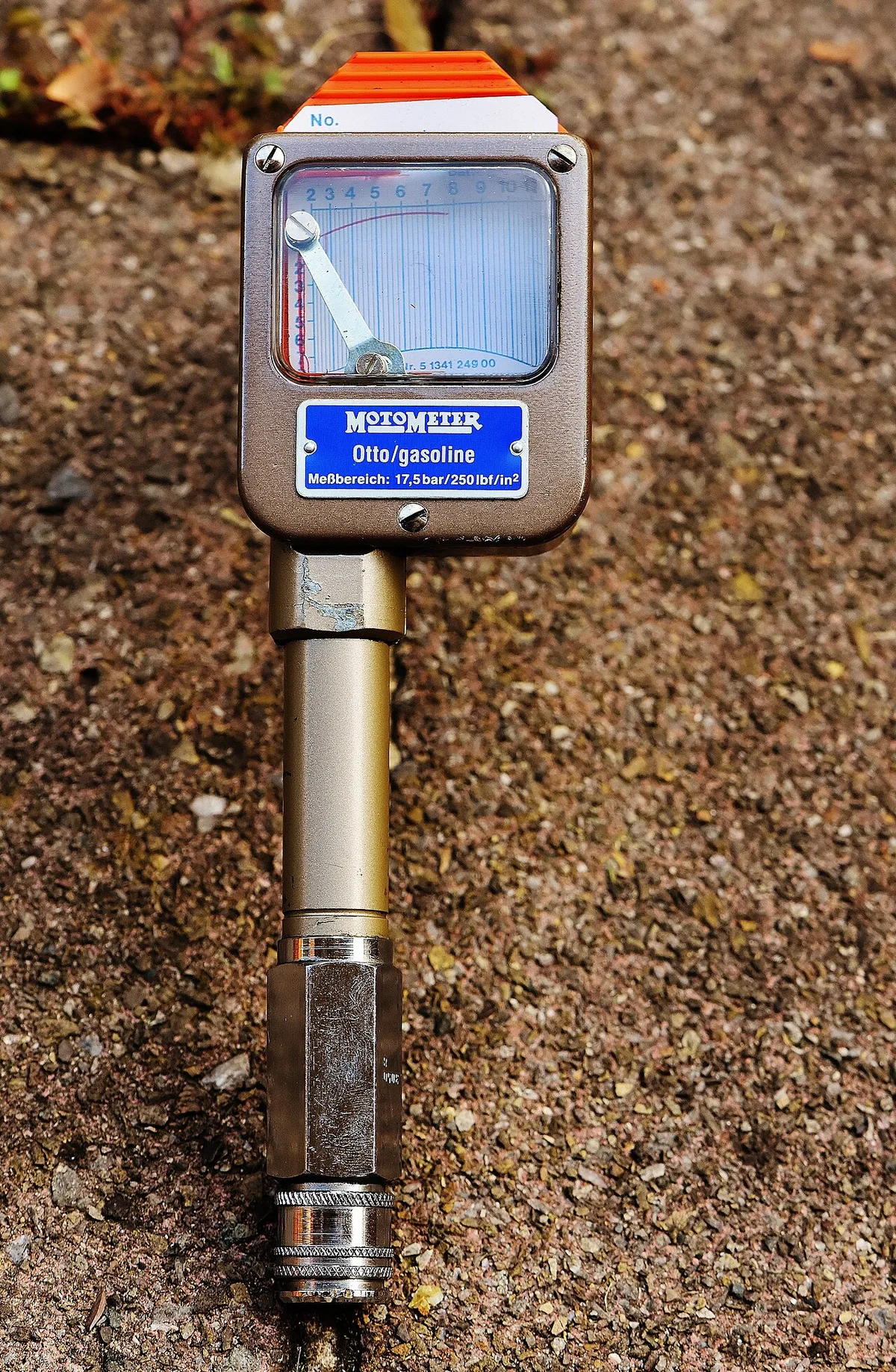
Image source: Wikimedia Commons / Alexas_Fotos
Recommended next steps for each scenario
For oil‑burn cases, schedule a ring replacement and inspect the valve guides. For compression loss, perform a borescope inspection before installing new rings. Use a piston ring compressor to seat the rings evenly.
Follow manufacturer torque specs for the cylinder head bolts.
Mistakes that lead to repeat failures
Skipping the cylinder bore inspection often leaves scoring that ruins new rings. Installing rings with incorrect end gap causes loss of compression again. Reusing old piston rings after a rebuild leads to immediate oil burn.
Not resetting the oil pump can starve the new rings of lubrication.
Inspection & Measurement Guide
Tools and prep work
Gather a compression tester, borescope, feeler gauge, and clean rags. Ensure the engine is cold to avoid burns. Work in a well‑ventilated area to limit fumes.
Keep a notebook for recorded values.
| Tool | Purpose | Typical Spec |
|---|---|---|
| Compression tester | Measure cylinder pressure | 150–200 psi (gasoline) |
| Borescope | Visual cylinder inspection | 0–90° articulation |
| Feeler gauge | Check ring end gap | 0.020–0.030 in |
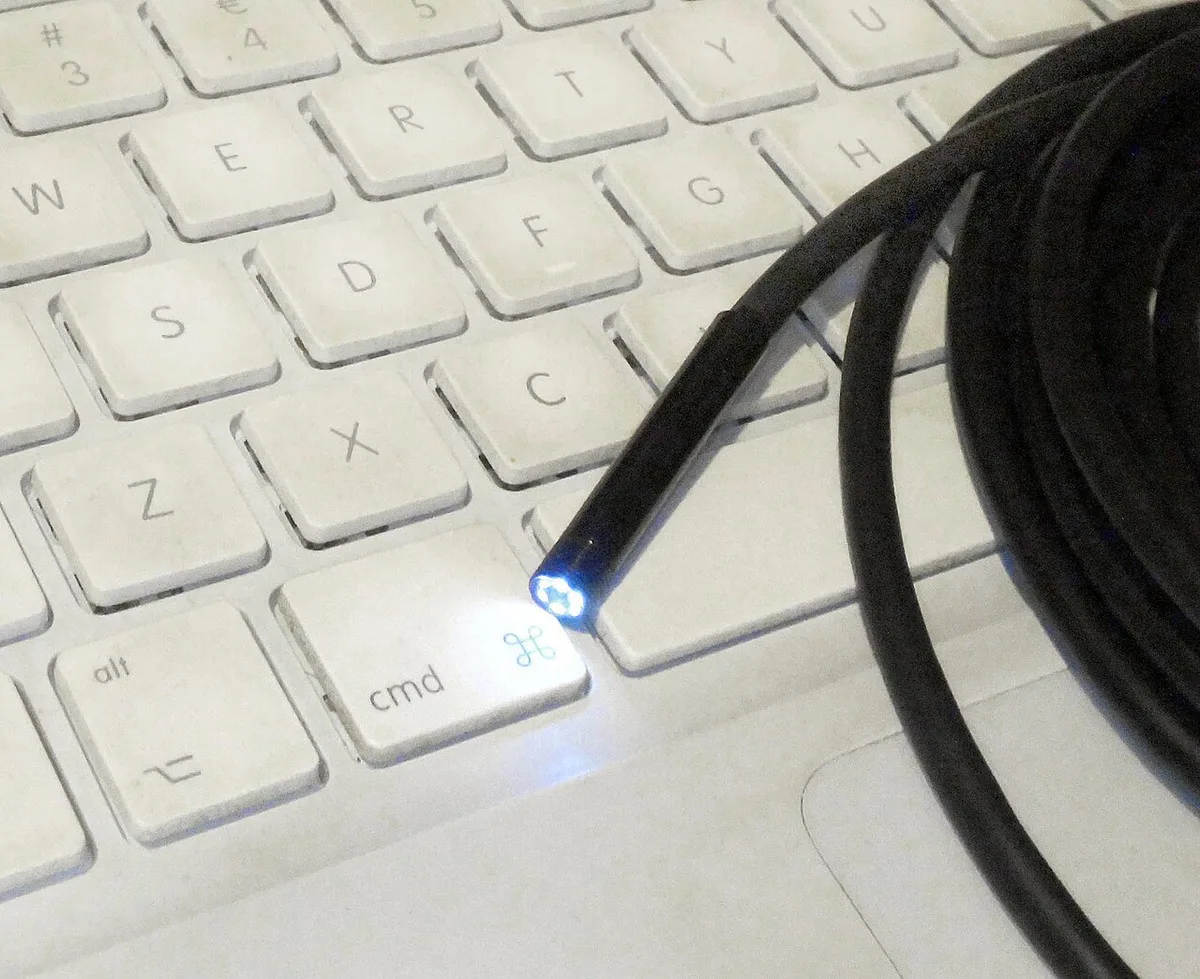
Image source: Wikimedia Commons / Janke (CC BY)
Step‑by‑step: borescope, compression test, ring‑gap check
First, remove the spark plugs to access cylinders. Insert the borescope and note any scoring or carbon buildup. Next, run the compression tester on each cylinder and record pressures.
Finally, measure ring end gap with a feeler gauge at the ring’s top and bottom. Compare readings to the table above.
How to read the data
If any cylinder reads below 150 psi, flag it for further inspection. Uneven compression across cylinders suggests ring wear in specific bores. Borescope images showing scoring confirm the need for ring replacement.
Consistent end‑gap measurements within spec indicate the rings are still usable. Document all values for future reference.
Costs, Safety & Long‑Term Care
Typical part and labor costs
A set of four piston rings costs $120 to $250 as of 2026. Labor for a ring job ranges from $400 to $800 depending on engine access. Total repair bills often fall below a full engine rebuild.
Budget for oil and filter changes after the repair.
Safety gear and legal compliance
Wear safety glasses, gloves, and hearing protection during disassembly. Dispose of used oil per local regulations to protect the environment. Follow OSHA guidelines for workshop ventilation.
Keep a fire extinguisher nearby when working with fuel.
Maintenance habits that extend ring life
Change oil at the manufacturer‑recommended interval to keep contaminants low. Avoid aggressive cold starts that stress rings before oil reaches the cylinder. Use high‑quality fuel to reduce carbon buildup.
Regularly inspect spark plugs for oil signs; address issues early.
