
Symptoms of a bad relay often show up as intermittent engine start or loss of accessories. You may notice flickering lights, a dead radio, or the vehicle refusing to shift into gear. These clues point directly to a relay that can’t switch current reliably.
Per SAE J1284, a healthy relay coil reads 70-200 Ω when measured with a multimeter. If the reading is far outside that range, the relay is likely faulty. This quick check can save you a costly tow as of 2026.
Symptoms of a Bad Relay
Intermittent engine start is a primary symptom.
No accessory power often points to a faulty relay.
Flickering lights or radio dropout signal relay trouble.
Per SAE J1284, coil resistance should read 70-200 Ω.
5 Warning Signs of a Bad Relay – Don't Miss These
What a Bad Relay Looks Like and Why It Fails
A relay acts as a switch for high‑current loads like the starter or fuel pump. When the coil burns or contacts stick, the circuit opens unexpectedly. Visual signs include a darkened coil, melted plastic, or corrosion on terminals.
- Intermittent start or no start
- Loss of power to lights, radio, or HVAC
- Engine stalls after a few minutes of running
- Diagnostic trouble codes pointing to the relay
Common failure modes are burnt coil windings, pitted contacts, or moisture intrusion. A corroded terminal can cause voltage drop, mimicking a bad relay. Replacement usually costs $20-$45 as of 2026, similar to typical lug nut prices.
If the relay is stuck open, the vehicle won’t crank; if stuck closed, it may overheat. In either case, swapping the relay is faster than rewiring the circuit. Keep a spare in your glove compartment for quick swaps.
Step-by-Step Diagnosis and Replacement
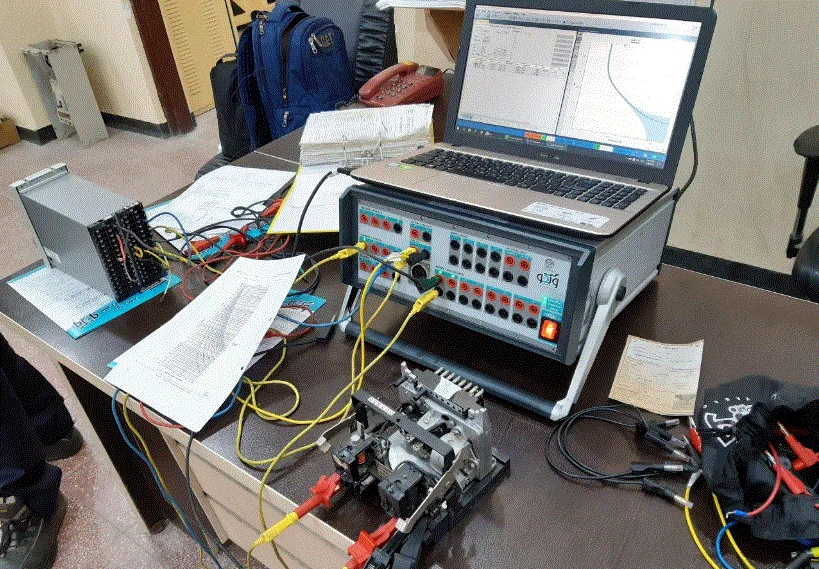
| Item | Purpose | Note |
|---|---|---|
| Multimeter | Measure coil resistance | Set to ohms |
| Test light | Verify voltage at coil | 12 V when activated |
| Relay tester | Load test contacts | Confirms switching |
| Replacement relay | Direct swap | Match OEM part number |
- Disconnect the battery to avoid short circuits.
- Locate the relay in the fuse box or underhood harness.
- Test coil resistance; it should read 70-200 Ω.
- Apply 12 V to the coil and listen for a click.
- Use a test light to confirm voltage at the load terminals.
- If the relay fails any test, replace it with an OEM‑spec unit.
After installation, reconnect the battery and start the engine. If the problem persists, scan for codes with a tool; consider choose an OBD‑II scanner for deeper diagnostics. Ensure all connections are tight and free of corrosion before finishing.
Safety, Specs, and When to Call a Pro
Always wear safety glasses and use insulated tools when working near high‑current circuits. Keep the work area dry; moisture accelerates relay failure. Follow the SAE J1284 standard for testing procedures and torque specifications.
If you’re uncomfortable testing voltage or handling the relay, call a certified technician. A professional can also check related components like the starter solenoid or wiring harness. Knowing the recovery point can speed up help if you’re stranded on the road.
Frequently Asked Questions
How do I know if a relay is bad before buying a new one?
Measure coil resistance and apply voltage to hear the click. If the relay clicks but accessories still don’t work, the contacts may be stuck. A multimeter load test confirms proper switching.
Can a bad relay cause a battery drain?
Yes, a stuck closed relay can keep a high‑current circuit energized, draining the battery overnight. Check for voltage at the load side with the battery disconnected to confirm.
Is it safe to replace a relay myself?
Yes, as long as you disconnect the battery and follow safety steps. Wear insulated gloves and avoid touching the contacts with bare hands. If the relay is in a sealed box, ensure the area is dry.
What are the most common relay failure symptoms in cold weather?
Cold can cause coil windings to tighten, raising resistance above 200 Ω. Corrosion on terminals also worsens in wet, salty conditions. Warm the relay with a hair dryer before testing if you suspect cold‑related issues.
