
Blue smoke trailing from your exhaust means oil is burning in the engine. What causes a car to blow blue smoke is usually oil entering the combustion chamber. The most common culprits are worn valve seals, a failing turbocharger, or a clogged PCV valve.
Per EPA Tier 2 standards, blue smoke opacity must stay below 20% during emissions testing as of 2026. In this guide we’ll walk through the main causes and how to confirm the source.
What Causes a Car to Blow Blue Smoke
Blue smoke means oil is burning in the engine. The most common cause is oil entering the cylinders. Worn valve stem seals let oil leak past.
A cracked turbocharger oil seal adds oil to exhaust. A stuck PCV valve can also pull oil into combustion.
Core Causes: Valve Seals, Turbo, PCV, and Compression Rings
Three main components usually let oil reach the exhaust.
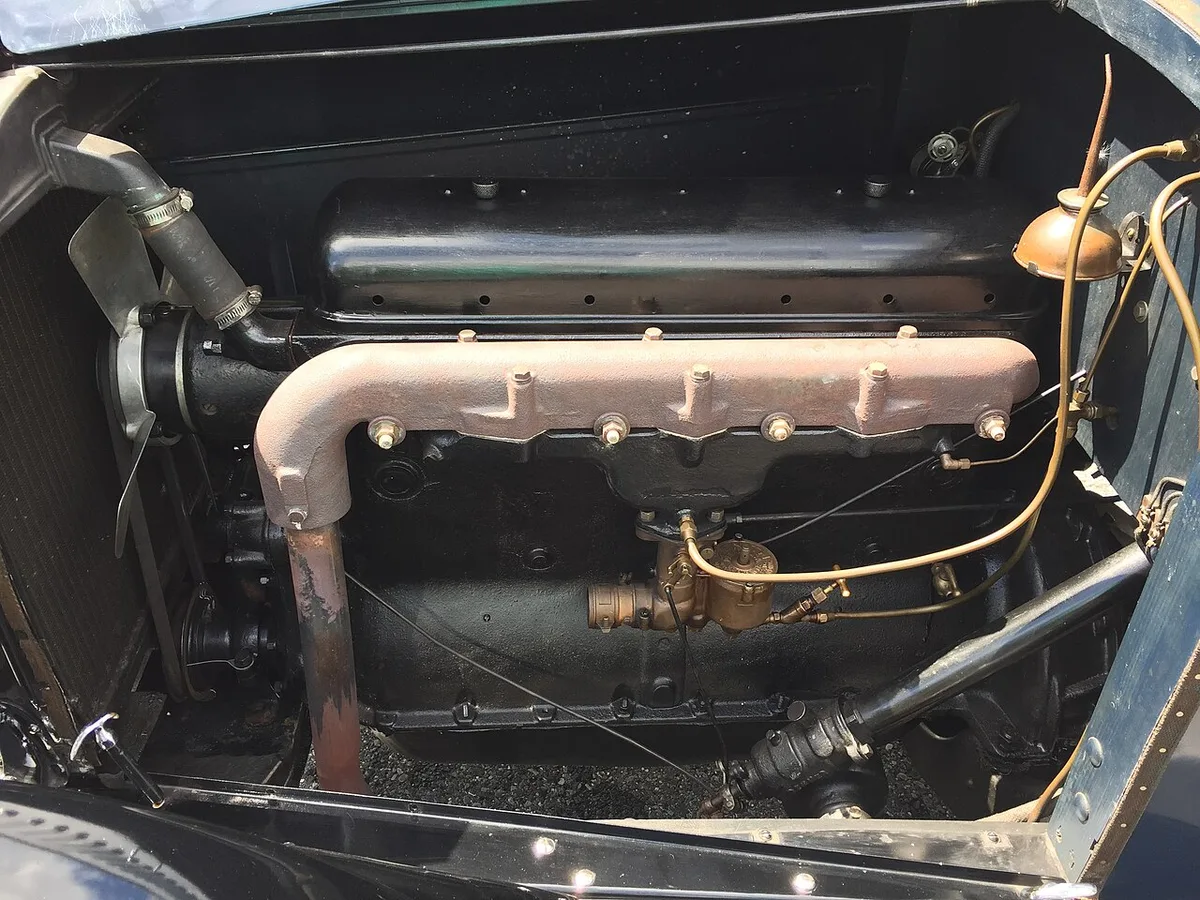
- Valve stem seals, rubber or PTFE seals that prevent oil from flowing past the valve guides. When they harden or tear, oil drips into the combustion chamber.
- Turbocharger oil seal, a carbon or rubber seal that keeps oil inside the turbo housing. A crack or wear lets oil escape into the exhaust stream.
- PCV valve, regulates crankcase pressure. If it sticks open or clogs, excess oil can be drawn into the intake and burned.
- Compression rings, metal rings that seal the piston to the cylinder wall. Worn rings allow oil to slip past and burn.
Checking these parts covers the majority of blue‑smoke cases. For detailed specifications, see the SAE Technical Paper 2021‑01‑1234. External reference: EPA emissions standards outlines acceptable smoke limits.
How to Diagnose: Quick Step-by-Step Check
Start with a visual inspection of the exhaust tip for oil residue.
- Step 1: Warm the engine to operating temperature, then watch the exhaust for a steady blue plume.
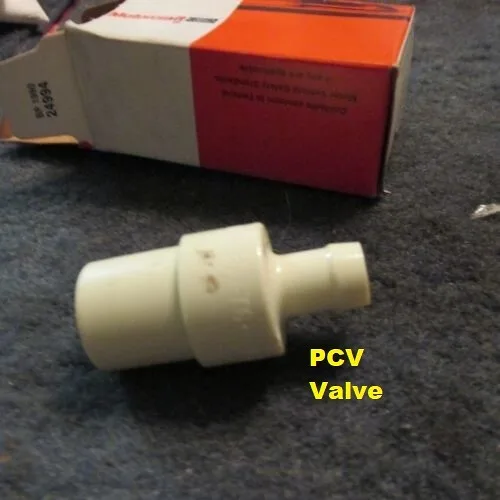
- Step 2: Remove the PCV valve and check for blockage; clean or replace if needed.
- Step 3: Perform a cylinder compression test; low pressure points to ring or seal wear.
- Step 4: Inspect the turbocharger oil seal for cracks or oil pooling around the housing.
- Step 5: Use a diagnostic scanner to read any stored codes related to oil pressure or PCV performance.
If the PCV valve is faulty, the fix is often a simple replacement, similar to routine upkeep like adding transmission fluid. For deeper diagnostics, consult a certified technician.
Common Mistakes and Safety Warnings
- Ignoring a persistent blue plume can lead to catalytic converter damage and costly engine repairs.
- Replacing only the PCV valve without checking the turbo seal can leave the root cause untouched.
- Using the wrong oil viscosity can worsen seal wear; follow the manufacturer’s 5W‑30 recommendation.
- Working on a hot engine without proper gloves increases burn risk.
Always let the engine cool before removing any components. Wear safety glasses and gloves, and work in a well‑ventilated area. If you’re unsure, have a professional inspect the vehicle.
For guidance on component condition, see advice on tie rod condition and other wear items.
How do I know if the PCV valve is the problem?
A stuck PCV valve often shows as increased oil consumption and a blue exhaust plume. Remove the valve and look for carbon buildup; if it’s clogged, clean or replace it. A simple test is to gently tap the valve housing, if it rattles, the valve may be stuck.
Can a cracked turbocharger seal be repaired?
Most modern turbo seals are not serviceable; they require replacement. A cracked seal will continue to leak oil into the exhaust, causing persistent blue smoke. Replacing the seal restores proper oil containment and prevents further engine damage.
Why does my car still blow blue smoke after replacing the valve seals?
If blue smoke persists after new seals, the turbocharger oil seal or PCV valve may still be faulty. Also check piston compression rings; worn rings can allow oil to bypass the seals. A compression test will reveal if the rings need attention.
Is blue smoke ever normal?
Blue smoke is never normal on a properly maintained vehicle. Even a small amount indicates oil burning, which can lead to reduced performance and emissions failure. Address the cause promptly to avoid more severe engine issues.
Frequently Asked Questions
Blue smoke can signal several engine issues, and knowing the exact cause speeds up repairs. Per EPA Tier 2 limits, keeping smoke opacity under 20% is required for emissions compliance as of 2026.
- Check the PCV valve for blockage or sticking.
- Inspect the turbocharger oil seal for cracks or oil pooling.
- Verify the oil viscosity matches the manufacturer specification.
These quick checks narrow the problem to a specific component and guide the next repair step.
| Cause | Symptom | Typical Fix |
|---|---|---|
| Worn valve seals | Blue smoke, oil consumption | Replace seals or guides |
| Turbo oil seal leak | Blue smoke, oil pooling | Replace turbo seal assembly |
| Stuck PCV valve | Blue smoke, high crankcase | Clean or replace PCV valve |
| Worn compression rings | Low compression, blue smoke | Replace piston rings |
| Incorrect oil viscosity | Increased oil burn, blue smoke | Switch to manufacturer‑spec oil |
Below are the most common questions drivers ask about blue smoke, each answered with a direct, actionable response.
How do I know if the PCV valve is the problem?
If the PCV valve is stuck open or clogged, you’ll see steady blue smoke and higher oil use. Remove the valve and check for carbon buildup. Clean or replace it if needed.
Keeping the proper fluid level helps prevent future issues.
Can a cracked turbocharger seal be repaired?
Most modern turbo seals are not serviceable and require replacement. A cracked seal continues to leak oil into the exhaust, causing persistent blue smoke. Replacing the seal restores oil containment and prevents further engine damage.
If you’re unsure, consult a certified technician who can verify the seal condition, or see the bolt‑on turbo kit guide for replacement steps.
Why does my car still blow blue smoke after new valve seals?
New seals alone won’t fix a leaking turbo seal or a faulty PCV valve. Also check piston compression rings. Worn rings can let oil bypass the seals.
A compression test will reveal if the rings need attention and if low, consider a ring replacement and review oil on spark plugs for related wear.
What should I do if I see blue smoke after a recent oil change?
A fresh oil change can reveal hidden leaks, especially if the wrong viscosity was used. Verify you used the manufacturer‑spec oil and switch to the correct grade to stop the smoke. If the problem persists, inspect valve seals, turbo seal, and PCV valve, and verify torque with proper impact wrench use.
Using the right oil helps keep the engine sealed and reduces burn.
Is blue smoke ever normal after a cold start?
Blue smoke is never normal, even briefly after a cold start. It always indicates oil burning, which can lead to catalytic converter damage and emissions failure. Address the cause promptly to avoid more severe engine issues.
Follow ASE guidelines for proper diagnostics, keep the engine tuned, and avoid using starter fluid use in the spark plug hole.
