
What causes a car to have a check engine light but run fine is a common puzzle for drivers. The light signals the ECU that a sensor reading is out of spec. Often the fault is minor and the engine still operates normally.
Per EPA OBD‑II standards, a malfunction indicator lamp must illuminate within two consecutive drive cycles. Manufacturer specifications show the oxygen sensor voltage range should stay between 0.1 and 0.9 volts. When the light stays on, a scan tool will reveal the exact DTC for diagnosis, so let’s start by confirming the most common triggers.
Why Your Check Engine Light Is On But Car Runs Fine
What Causes a Car to Have a Check Engine Light but Run Fine
The light flags a sensor reading outside manufacturer specifications. Common triggers include a faulty O2 sensor or vacuum leak. These faults store a DTC while the engine still runs.
A scan tool displays the code for precise troubleshooting.
Core Explanation / How It Works
OBD‑II monitors dozens of sensors and stores a code when readings deviate. The lamp lights after two confirmed cycles per EPA OBD‑II standards. A handheld scanner retrieves the exact DTC for diagnosis.
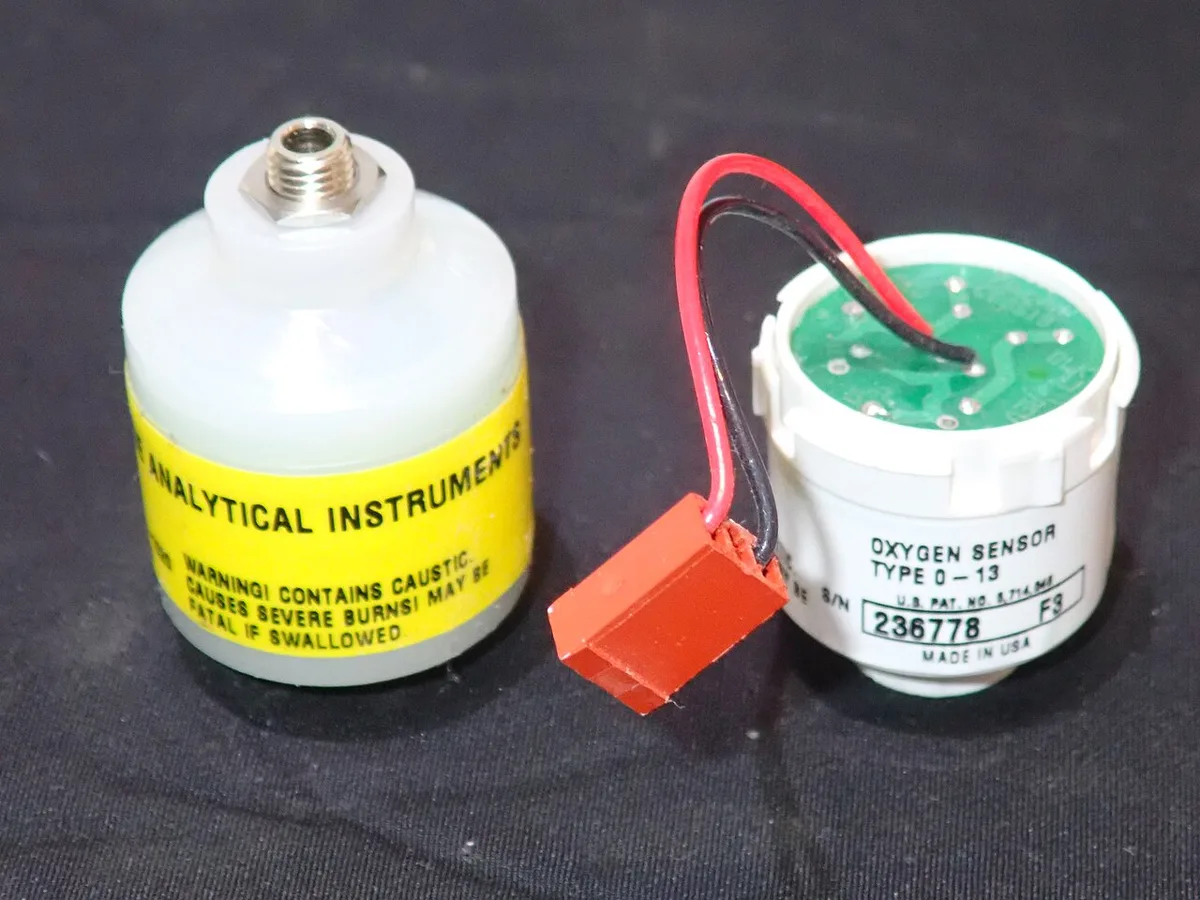
A faulty oxygen sensor can send voltage outside the 0.1‑0.9 V range, storing a lean or rich code. Vacuum leaks also cause lean conditions that trigger the same light. The Mass Airflow sensor reports intake air mass.
A dirty sensor can produce a false high‑flow reading. The EVAP system checks for fuel vapor leaks. A cracked canister or faulty purge valve can cause intermittent codes.
These faults often appear after refueling and may clear after a short drive. Choosing a scanner that shows live data helps confirm sensor failure, and aftermarket sensors can mismatch voltage curves, leading to false codes per manufacturer bulletins.
Step-by-Step Process / How to Guide
Gather the tools and follow these steps to pinpoint why the check engine light stays on while the car runs fine.
| Tool | Purpose |
|---|---|
| OBD‑II scanner (handheld or phone adapter) | Retrieve DTCs and view live data |
| Multimeter | Verify sensor voltage and battery health |
| Vacuum pump or smoke machine | Detect leaks in intake or EVAP system |
| Flashlight | Inspect hard‑to‑see components |
- Connect scanner to OBD‑II port and read all codes.
- Note the DTC and check the manufacturer’s flowchart.
- View live oxygen sensor voltage while the engine idles.
- If voltage is out of range, test with a multimeter.
- Inspect intake and vacuum hoses. Use a smoke machine to find hidden leaks.
Clear the codes, drive a short loop, and see if the light returns. Check typical sensor pricing in our lug nut guide. Our wood ramps guide shows safe DIY undercarriage access.
All voltage limits follow NHTSA FMVSS 114 requirements.
Mistakes to Avoid / Common Errors
Even experienced drivers can fall into these traps, such as mistaking oil on spark plugs for a sensor fault. Avoiding them saves time, money, and prevents further damage.
- Ignore intermittent codes thinking they will clear on their own.
- Use aftermarket sensors that don’t match the ECU’s voltage curve.
- Skip vacuum leak testing and assume the code is sensor‑related.
- Clear codes without fixing the root cause, leading to repeat failures.
- Read fuel trim values incorrectly, mistaking a lean condition for rich.
- Drive long distances before confirming the fault, risking catalytic damage.
Always verify with live data before replacing parts.
Frequently Asked Questions
Can a check engine light turn on without a real problem?
Yes, a false or intermittent code can appear when a sensor reading is momentarily out of spec but the engine still runs fine. This often happens after refueling, a cold start, or when a vacuum leak seals under load.
How long can I safely drive with the light on?
You can drive a short distance, typically 50 to 100 miles, if the car runs smoothly, but avoid long trips because unresolved faults may damage the catalytic converter and increase emissions. Always have the code read as soon as possible. A quick scan will identify the exact fault and guide repair.
Do I need a dealer scanner to read and clear codes?
No, any OBD‑II scanner that supports generic DTCs will read and clear codes. Smartphone adapters work for basic data, but a handheld scanner gives more detailed live data and can display fuel trim values for accurate diagnosis. Choose a scanner that shows live sensor readings.
Will clearing the light fix the issue permanently?
Clearing the light only erases stored codes; the underlying fault will likely return and re‑illuminate the lamp. Permanent repair requires fixing the sensor, leak, or wiring issue. After repair, perform a test drive to confirm the code does not reappear.
