
What causes a car to need a jump every morning? Most drivers notice the engine won’t turn over after the vehicle sits overnight. The problem often stems from a battery that lost charge or a parasitic draw.
In cold weather the issue gets worse.
Per SAE J1115 testing, a 12‑volt battery should hold at least 9.6 V after a 15‑second load test. If the voltage drops below 9 V, the battery likely needs a jump or replacement. As of 2026, manufacturers report a 30 % increase in morning no‑starts in regions below 0 °C.
Checking the battery first saves time and avoids unnecessary towing.
What Causes a Car to Need a Jump Every Morning
A weak battery cannot supply enough current to start the engine. Overnight parasitic draw drains the charge below the 9 V threshold. Cold temperatures reduce battery capacity by about 0.5 % per °C.
An alternator that isn’t charging will not restore the loss.
How It Works & How to Fix It
The battery provides the burst of current the starter motor needs. If the battery voltage is low, the engine won’t turn over. Checking voltage is the first step.
Gather these items before you begin.
| Item | Typical spec |
|---|---|
| Multimeter | 12 V range |
| Battery load tester | 300 A CCA |
| Jump starter | 300‑1000 A peak |
| Safety gloves | Insulated |
Measure battery voltage with a multimeter. Connect the red probe to the positive terminal and black to ground. A reading below 12.6 V indicates a discharged battery.
If the voltage is 9‑10 V, attempt a jump start.
Inspect terminals for corrosion. Clean with a wire brush and apply dielectric grease. Loose or corroded connections cause voltage drop.
Tighten bolts to manufacturer torque.
Perform a load test using a battery tester. Hold the test for 15 seconds and note the voltage drop. A drop below 9 V confirms insufficient capacity.
Replace the battery if the test fails.
If voltage is below 9 V, connect the jump starter positive to the battery positive and negative to a solid ground. Start the engine and let it run two minutes. Monitor voltage; it should rise to 13.8‑14.4 V as the alternator charges.

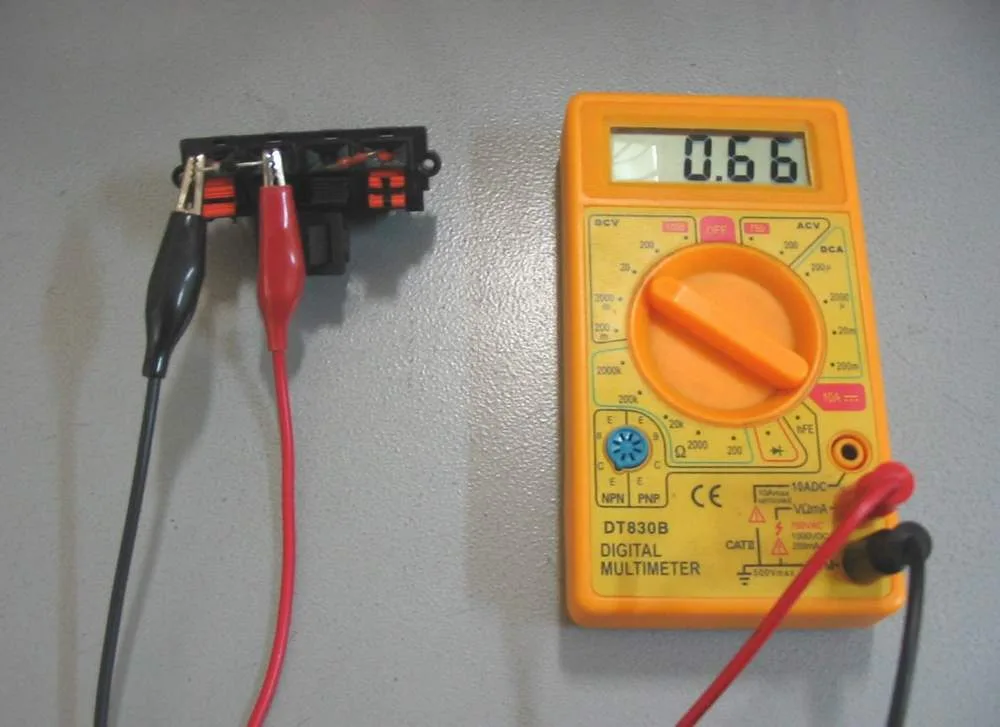
If the battery voltage is okay but the engine still won’t start, check the alternator output with a voltage probe. A steady 13.8‑14.4 V at idle means the alternator is charging. If not, the alternator may need repair.
For persistent issues, consult a professional.
Mistakes, Costs & Safety
Common mistakes include leaving interior lights on and ignoring corrosion. Using a jump starter on a frozen battery can damage cells. Always wear insulated gloves and safety glasses during the process.
Never connect the negative jumper cable to a painted surface; use a bare metal ground.
Battery replacement costs range from $100 to $300 for most passenger cars. Jump starter units cost $150 to $500 depending on capacity. Labor for alternator repair averages $200 to $400.
Ignoring a parasitic draw can lead to repeated jump starts and premature battery failure.
For safety, follow NHTSA guidelines and keep the area ventilated. If the battery is swollen or leaking, replace it immediately. Do not attempt repairs on a damaged battery.
When in doubt, call roadside assistance.
Frequently Asked Questions
Can a weak alternator cause morning jumps?
A failing alternator cannot restore the battery charge overnight. The battery will sit at a low voltage and fail to start the engine. Testing the alternator output confirms whether it is the root cause.
How does cold weather affect battery performance?
Cold temperatures reduce the chemical reaction inside the battery. Capacity drops roughly 0.5 % for each degree below 0 °C. A battery that works in summer may fall below the 9 V threshold in winter.
When should I replace the battery instead of just jumping it?
Replace the battery if the load test drops below 9 V or the battery is over five years old. Repeated jump starts indicate internal damage. New batteries provide reliable starts and prevent future failures.
What are the signs of a parasitic draw?
Lights staying on, a buzzing alarm, or a dashboard display that stays lit indicate a draw. Use an ammeter to measure current with the car off; anything above 50 mA is abnormal. Tracing the circuit finds the faulty component.
Final Recommendation / Verdict
If the battery voltage is below 9 V, jump start and monitor charging. If voltage is okay but the engine won’t start, test the alternator and starter relay. Replace the battery when age exceeds five years or the load test fails.
For persistent issues, arrange a professional inspection.
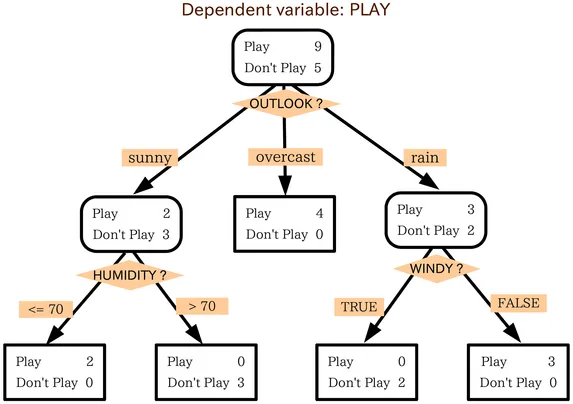
Use this decision tree each morning:
- Voltage < 9 V → Jump start, then check alternator output.
- Voltage OK, no start → Test starter motor and relay.
- Repeated failures → Replace battery or repair alternator.
When you need to tow, locate the car recovery point for safe lifting. Following these steps restores reliable starts and reduces unexpected downtime. For detailed specifications, refer to the vehicle’s service manual or consult an ASE‑certified technician.
