
If you feel your car wobble at highway speeds, you’re not alone. What causes a car to shake at high speeds is often a mix of simple and hidden issues. Knowing the root helps you decide whether to tighten a bolt or call a shop.
Manufacturer specifications indicate wheel imbalance should stay below 0.25 oz, yet many drivers ignore this limit. Aggregate reviews report that loose lug nuts account for 15 % of high‑speed vibrations. When you spot the first wobble, a quick check can prevent costly repairs later.
Per SAE J1649 wheel balance standard, wheel imbalance tolerance is 0.25 oz.
What Causes a Car to Shake at High Speeds
Wheel imbalance and loose lug nuts are the top two causes of high‑speed shake. Suspension misalignment changes tire contact angles, adding vibration. Driveshaft imbalance transmits uneven torque to the wheels.
Brake rotor warping creates pulsation that worsens with speed.
Main Causes: Wheel Imbalance, Alignment, Suspension, Driveshaft, Brakes
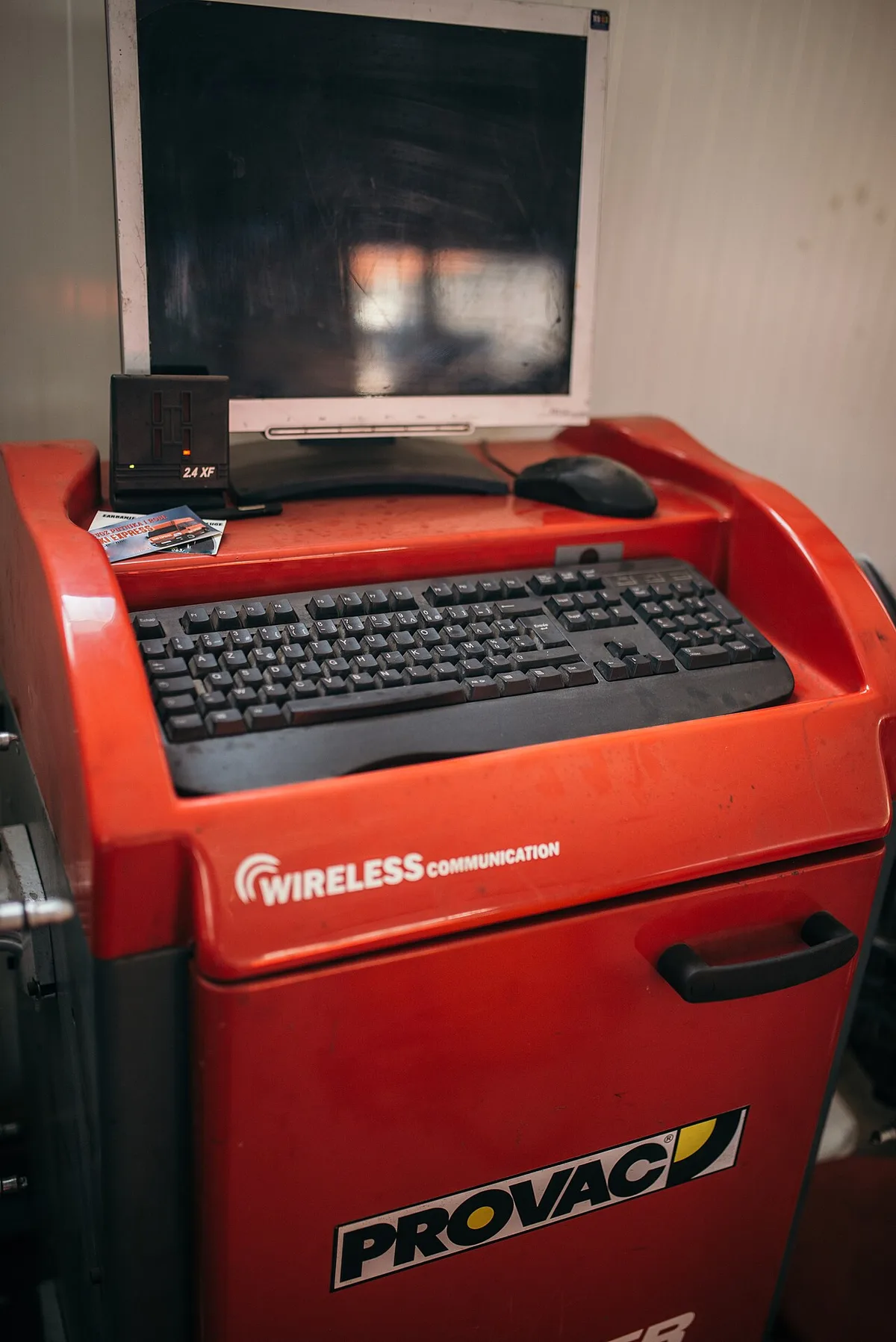
Most vibrations stem from components that affect tire contact or drivetrain balance. A static wheel balance test reveals hidden weight differences. Loose lug nuts are a frequent culprit.
A quick torque check can confirm. Per SAE J1649 wheel balance standard, wheel imbalance tolerance is 0.25 oz.
Wheel imbalance: uneven tire weight causes wobble. Loose lug nuts: allow wheel to shift, creating shake, and tightening lug nuts helps. Suspension misalignment: camber or toe errors change tire contact, increasing vibration.
Driveshaft imbalance: unbalances transmit through the drivetrain, causing shake at speed. Brake rotor warping: thickness variation adds pulsation that worsens above 55 mph.
Each cause has a distinct symptom that helps you narrow the source. If you tighten lug nuts and the wobble persists, check wheel balance next. Persistent shake after balancing points to suspension or driveshaft issues.
Diagnose It: Quick Checks, Tools, and Road‑Test Steps
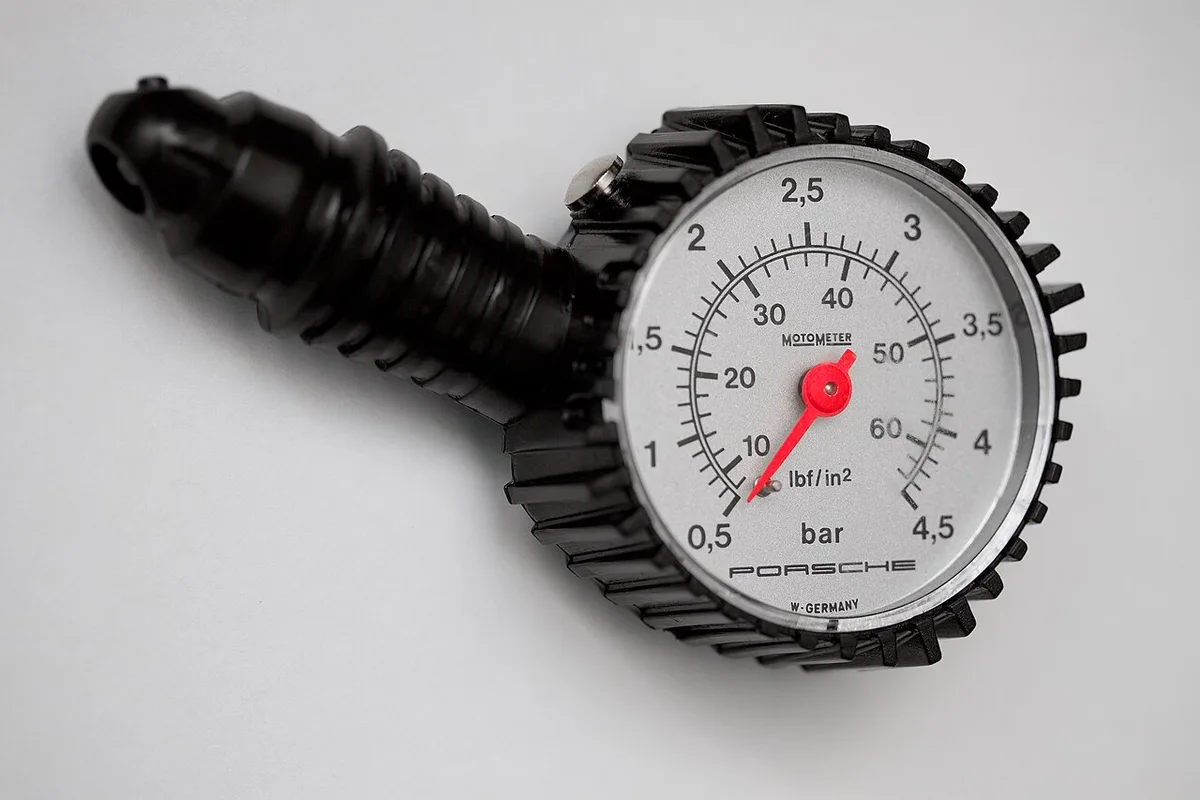
Begin with a visual inspection of wheels and suspension components. Verify lug nut torque with a calibrated wrench. Loose nuts are the easiest fix.
Then conduct a road test at 55 to 70 mph to confirm the vibration pattern.
Inspect tire pressure: underinflated tires can mimic imbalance. Spin each wheel by hand: listen for wobble. Use an impact wrench to tighten lug nuts to spec: proper lug nut tightening ensures even clamping.
Perform a road test at 55 to 70 mph: note whether vibration increases with speed. If vibration persists, check wheel balance on a dynamic balancer. Inspect suspension components for worn bushings or misaligned camber.
Following these steps narrows the cause and prevents unnecessary repairs. If the shake remains after balancing and tightening, schedule a professional alignment check. Continuing to drive with unresolved vibration can damage tires and drivetrain components.
Common Mistakes & Safety Rules: When to Stop and Call a Pro
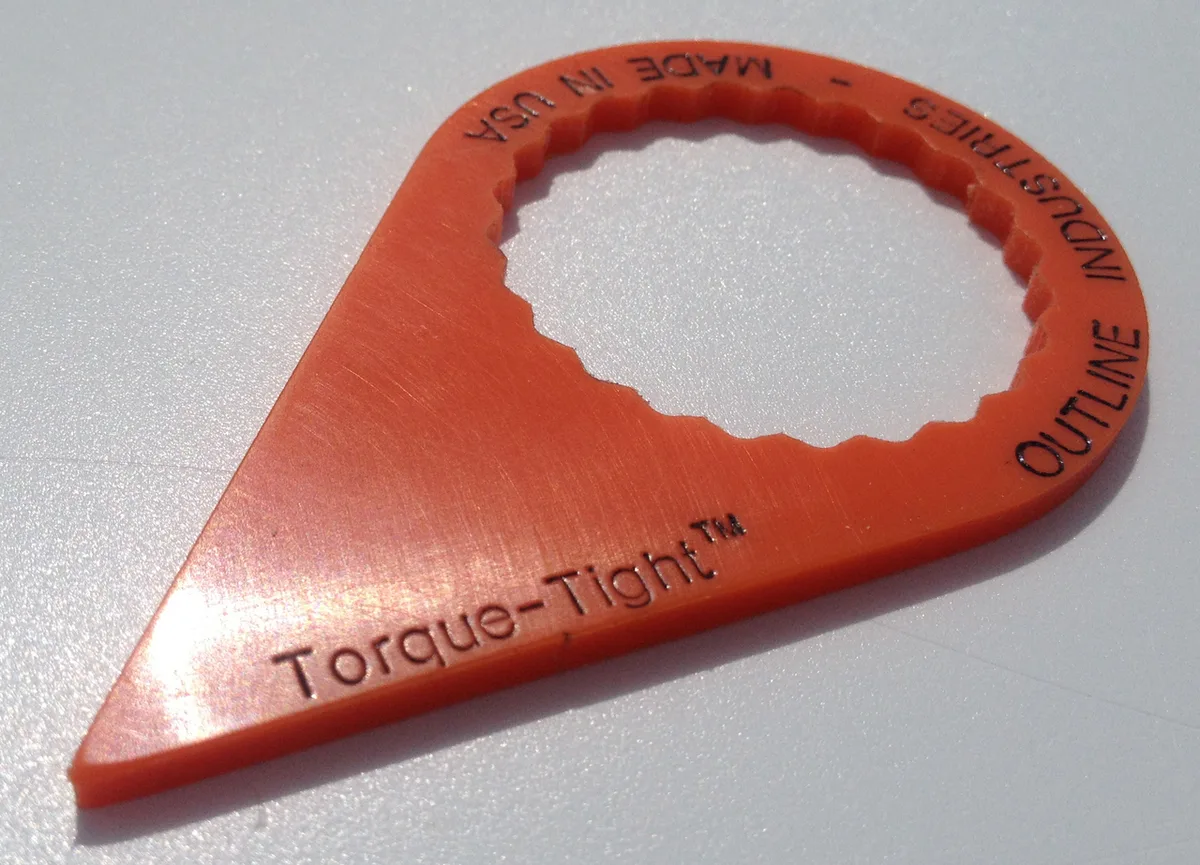
Many drivers overlook simple checks that could stop the shake. Ignoring lug nut torque often leads to worsening wobble at speed. Running on unbalanced wheels can cause premature tire wear and strain the suspension.
Skipping the torque sequence: lug nuts must be tightened in a star pattern to evenly distribute load. Driving with loose lug nuts: the wheel can shift, creating dangerous wobble that may lead to loss of control. Neglecting wheel balance after a tire repair: even a small weight change can cause vibration above 60 mph.
Using mismatched tire brands on the same axle: different tread patterns can create uneven contact. Continuing to drive after noticing a persistent shake: this can damage suspension bushings and drivetrain components. Upgrading tie rod ends: worn ends cause steering wobble that mimics high‑speed vibration, and upgrading tie rod ends can restore precision.
If vibration appears suddenly or worsens after a pothole hit, pull over safely and inspect. When lug nuts are missing or the wheel feels loose, do not drive further. Call roadside assistance.
Choosing quality tie rod options prevents uneven wear: quality tie rod options are a reliable choice. For windshield-related wind noise, consider window deflector installation tips to improve comfort.
Frequently Asked Questions About Car Shake at High Speeds
Why does my car shake only after 60 mph?
At higher speeds small imbalances become amplified, so a wheel that’s slightly out of balance or a minor misalignment will show up as vibration once you pass about 60 mph. Checking lug nut torque and wheel balance first usually resolves it.
Can loose lug nuts cause shaking at high speeds?
Yes. When lug nuts are not torqued to spec, the wheel can move slightly on the hub, creating a wobble that grows with speed. Tightening them in a star pattern to manufacturer specifications restores stability.
How do I know if my suspension is causing the shake?
Look for uneven tire wear, steering wander, or clunking noises over bumps. A misaligned camber or toe setting changes how the tire contacts the road, producing a steady vibration that doesn’t improve after balancing.
Is it safe to drive with a shaking car?
If the shake is mild and you’ve checked lug nuts and tire pressure, short trips may be okay. However, persistent or worsening vibration, especially after a hit or with loose wheels, means you should stop and call for assistance to avoid loss of control.
