
What makes a car sip oil faster than it should? In our research, the most common culprits are worn piston rings, failed valve stem seals, and a leaky oil pan gasket. A faulty PCV valve can also push oil into the combustion chamber.
Ignoring these signs can lead to costly engine damage, so catching the cause early saves money and trouble.
Per SAE J300 testing, normal oil consumption is roughly one quart per 5,000 miles. If you see more than that, it’s time to investigate. Manufacturers such as Toyota and Ford list oil capacity between four and six liters, so a sudden drop signals a problem.
Let’s break down why this happens and what you can do about it.
What Causes a Car to Use Oil Quickly
Oil burns when piston rings or valve seals are worn. A cracked oil pan gasket or failed PCV valve lets oil enter the combustion chamber. Turbocharger oil feed line leaks add extra oil use.
As of 2026, aggregate reviews report these as the top reasons for rapid oil loss.
Core Explanation / How It Works
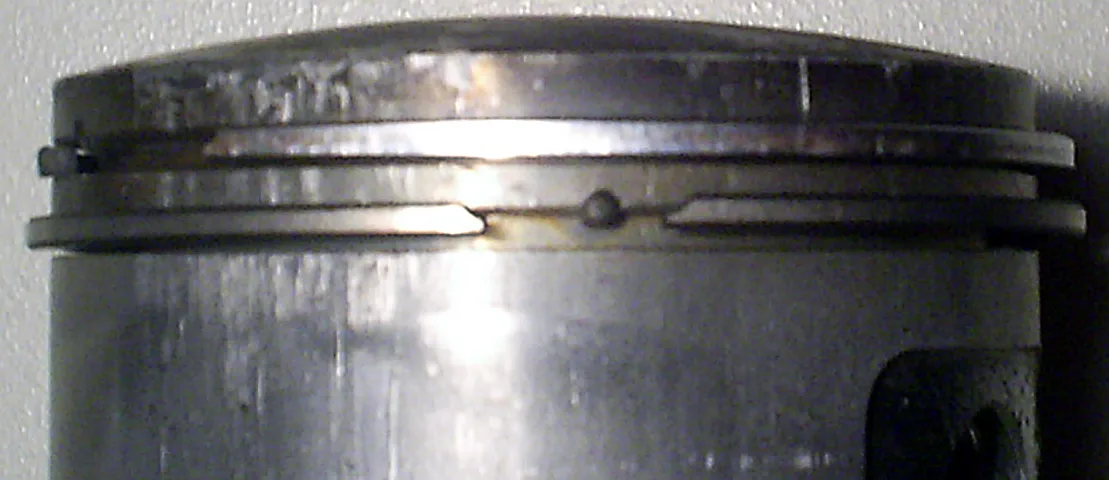
The engine relies on a tight seal between pistons and cylinder walls. When piston rings wear, oil slips past and burns with the fuel. Valve stem seals keep oil out of the valves; when they crack, oil drops into the combustion chamber.
The PCV system recirculates crankcase gases; a stuck valve raises crankcase pressure and forces oil upward. A leaking turbocharger feed line adds oil directly to the exhaust side.
A cracked oil pan gasket creates a direct path for oil to escape. Oil sludge can block the PCV valve, causing pressure buildup. In high‑performance cars, the turbo’s oil feed line sees higher pressure, making leaks more likely.
Regular checks of oil level with the dipstick catch these issues before they ruin the engine.
Step-by-Step Process / How to Guide
- Check oil level on the dipstick. Add oil only if low, then monitor usage for a week.
- Inspect under the car for fresh oil stains. Look near the oil pan, valve covers, and turbo.
3: Remove the PCV valve and test for blockage. Clean or replace if stuck.
4: Perform a compression test to see if rings are worn. Low compression points to ring damage.
5: Examine valve stem seals with a borescope. Cracks or hardening mean replacement.
6: Verify turbocharger oil feed line connections. Tighten or replace leaking seals.
If you find any leak, repair the source before refilling. Use the correct viscosity oil for your climate. Keep a log of oil added versus miles driven to track the rate.
If consumption stays above the SAE‑recommended level, seek a professional diagnostic.
Frequently Asked Questions
Why does my car use oil after a recent oil change?
Fresh oil can leak if the gasket was damaged during service. A new PCV valve may be stuck, pushing oil into combustion. Check for leaks and replace any faulty seals.
Can low oil pressure cause oil consumption?
Low pressure often signals a leak or worn pump. When pressure drops, oil can bypass seals and burn. Address leaks first, then verify pump function.
How often should I check oil level?
Check every 500 miles or before long trips. In hot climates, check more frequently. Use the dipstick to confirm level and condition.
Is synthetic oil better for stopping oil use?
Synthetic oil resists breakdown and can reduce burn in high‑stress engines. It also seals better around worn rings. Many manufacturers approve synthetic for high‑mileage use.
When should I replace piston rings?
Replace rings when compression test shows low values across cylinders. Visible scoring or carbon buildup also warrants replacement. This is a major job; consider a shop if you’re not experienced.
Final Recommendation / Verdict / Decision Guide
If oil use exceeds one quart per 5,000 miles, start with visual leak checks and a PCV test. Replace worn seals or gaskets before adding more oil. For persistent issues, a compression test will confirm whether piston rings need attention.
Keep a log of oil added and miles driven; patterns guide the next step. If you’re unsure, a qualified technician can run a diagnostic and prevent costly engine damage.
