
The check engine light comes on when the OBD‑II system detects a fault in the engine or emissions controls. Per NHTSA data, vehicles with an illuminated MIL are 1.5 times more likely to fail emissions tests. Ignoring it can lead to costly repairs and higher fuel consumption.
Knowing the cause early keeps you safe and saves money.
Why Is the Check Engine Light On
The light signals a fault in the engine or emissions system. Diagnostic Trouble Codes (DTCs) stored by the OBD‑II identify the issue. Common triggers include a loose fuel cap, faulty O₂ sensor, or misfiring cylinder.
Ignoring it can raise repair costs and increase emissions.
Problem & Risk: Why Ignoring the Check Engine Light Can Cost You
A loose fuel cap often triggers EVAP code P0442 and can cause a failed smog test. A faulty O₂ sensor may increase fuel use by up to 10 % and raise CO₂ output. Ignoring a misfire (P0300) can damage pistons and lead to a $500‑$1,200 engine repair.
According to EPA Federal Emissions Standards, any DTC that affects emissions must be addressed before registration renewal.
- Cost risk: Average repair for a neglected MIL issue ranges $150‑$500.
- Safety risk: Unresolved fuel or oil leaks raise fire danger.
- Legal risk: States such as California require a cleared MIL before registration.
If you notice oil on spark plugs, see oil on spark plugs for guidance on diagnosing valve stem seals or piston rings.
How the OBD‑II System Works & the Most Common Triggers
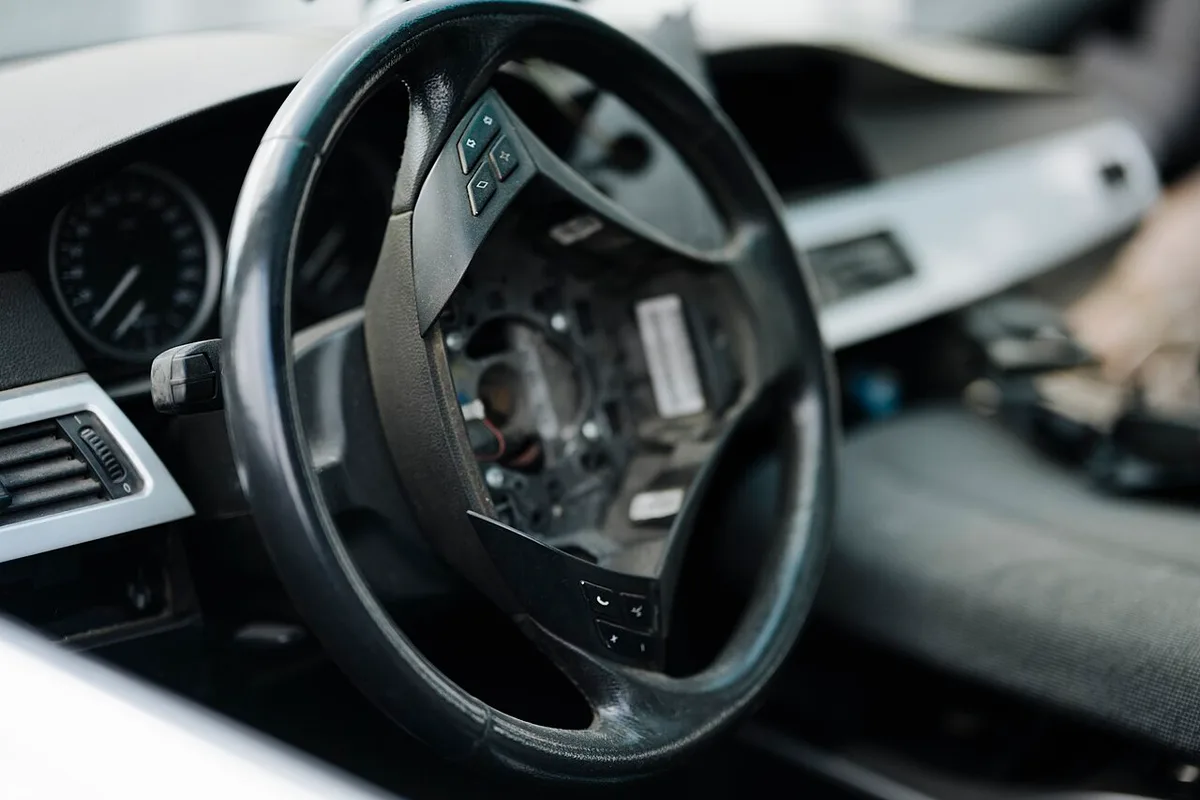
The OBD‑II monitors engine load, fuel trim, and exhaust gases in real time. When a parameter exceeds its calibrated limit, the ECU stores a DTC and turns on the MIL. Freeze‑frame data captures engine speed, load, and vehicle speed at the moment of failure.
| DTC Category | Typical Causes | Common Symptoms |
|---|---|---|
| P0171–P0175 | Lean or rich fuel mixture | Rough idle, poor fuel economy |
| P0420 | Catalytic converter inefficiency | Reduced power, higher emissions |
| P0300–P0308 | Cylinder misfire | Rough running, loss of power |
| P0442–P0455 | EVAP system leak | Fuel smell, failed emissions test |
Most drivers first see the light after a cold start or during hard acceleration. If the code is non‑critical, you may continue driving, but a critical code (e.g., P0420) warrants immediate service. For detailed code meanings, see choose a scanner.
NHTSA’s Vehicle Safety Database provides additional fault‑tree guidance at NHTSA safety page.
What to Do Now: Safe Steps, When to Stop, and When to Keep Driving
- Check the fuel cap, tighten it and clear the code with a scanner.
- Inspect for obvious leaks, look under the car for oil or coolant.
- Read freeze‑frame data, a handheld scanner shows engine load and RPM at failure.
- Perform a visual spark plug check, remove one plug and look for oil or damage.
If the engine runs rough or stalls, pull over safely and call for tow service. Do not drive with a flashing MIL indicating severe misfire or catalytic converter failure. For emergency starts, see starter fluid tips.
If transmission fluid is low, follow add transmission fluid steps before continuing.
Costs, Common Mistakes, and When to Call a Professional
Average repair cost for a MIL‑related issue is $150‑$500, but a neglected catalytic converter can exceed $800. Common mistakes include clearing codes without fixing the root cause and replacing parts based on generic DTCs. Always verify the actual sensor reading before swapping components.
If you lack a scanner or the code is critical, schedule service at a certified shop. ASE‑certified technicians follow manufacturer TSBs and can perform recalibration after component replacement. For transmission filter replacement, see replace transmission filter.
If the MIL stays on after a repair, request a diagnostic road test to confirm the issue is resolved.
